For decades, the popular image of the Tyrannosaurus rex has been one of brute force—a massive, mindless killing machine. However, a growing body of research suggests that the true nature of dinosaur intelligence may be hidden in plain sight, tucked away within the anatomy of their modern descendants: birds.
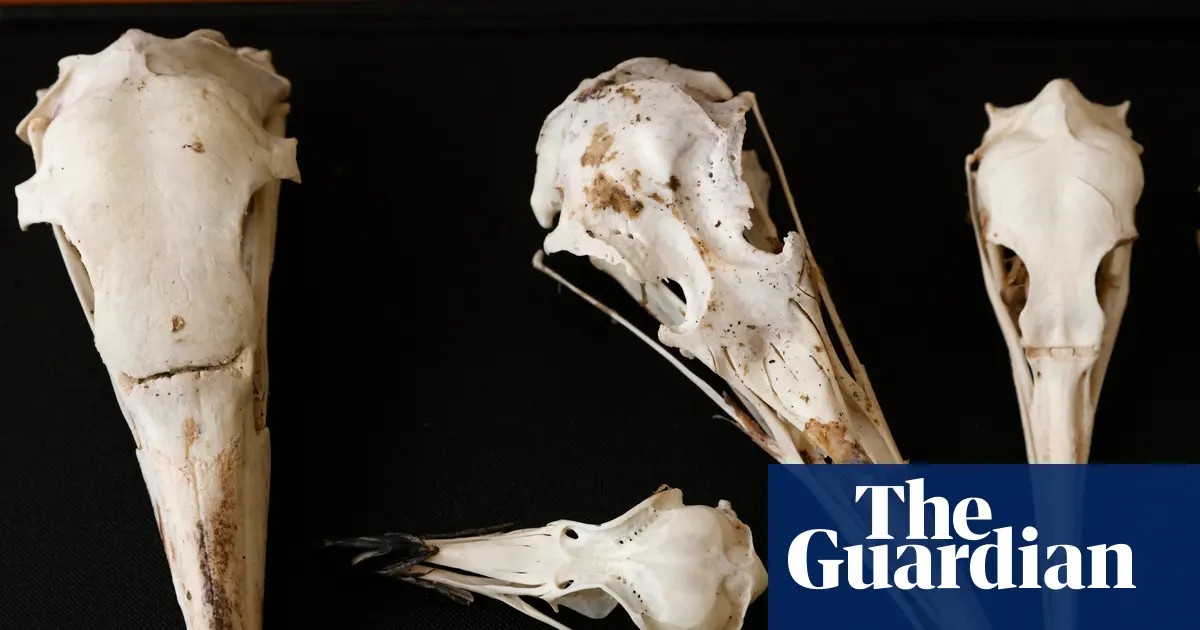
By studying the skulls and brain structures of living avian species, paleontologists are attempting to bridge the gap between fossilized bone and the complex “inner lives” of extinct giants.
The Avian Blueprint for Intelligence
Modern birds are far more cognitively sophisticated than previously assumed. Many species demonstrate advanced problem-solving skills, such as tool use, and even exhibit signs of empathy and forward planning. For instance, laboratory studies on emus suggest they possess the ability to recognize that other individuals may have different experiences from their own.
This cognitive complexity provides a vital roadmap for scientists. While we cannot subject a T. rex to behavioral testing, we can examine their fossilized skulls.
“If there are some distinctive features of the brain that maybe tell you with 95% confidence that the animal with that kind of brain is capable of that kind of behaviour today, then we can at least make predictions about these fossils,” says Professor Steve Brusatte, a paleontologist at the University of Edinburgh.
By identifying specific cranial markers associated with high-level cognition in birds, researchers hope to infer whether dinosaurs possessed similar levels of intelligence and social complexity.
The Living Dinosaurs: A Lineage of Survivors
A common misconception in popular culture is that birds are merely related to dinosaurs. In biological terms, birds are dinosaurs. They are the sole survivors of a lineage that endured the massive extinction event 66 million years ago.
The transition from terrestrial dinosaurs to flying birds was not a sudden leap, but a gradual evolutionary journey. Interestingly, many features we associate with flight likely served other purposes first:
– Feathers: Likely evolved initially for insulation to regulate body temperature.
– Wings: May have started as “advertising billboards”—display structures used for social signaling.
– Flight: Emerged as a byproduct of these adaptations when certain lineages became small enough to achieve lift.
Why Birds Survived the Great Extinction
When the colossal asteroid struck Earth, it triggered an “impact winter” that collapsed forests and decimated most life forms. The ancestors of modern birds survived due to a specific set of biological advantages:
1. Dietary Flexibility: Their evolution of toothless beaks allowed them to eat seeds, a food source that remained abundant in the soil even after vegetation vanished.
2. Rapid Growth: The ability to mature quickly from chick to adult allowed populations to recover rapidly.
3. Versatile Habitats: Many early avian survivors were ground-dwellers or waders, capable of surviving in shallow waters when forests failed.
Genetic Echoes of the Past
The connection between birds and dinosaurs is not just structural; it is written in their DNA. Modern genetic research has revealed startling “relics” of dinosaur anatomy within avian embryos.
For example, a six-day-old quail embryo possesses a pelvis strikingly similar to that of a theropod dinosaur like the T. rex. Furthermore, scientists have demonstrated that by manipulating specific genes in chicken embryos, they can trigger the development of teeth—a direct nod to their ancestral heritage.
This evolutionary thread also produced “terror birds” in South America—massive, flightless predators that resembled a reincarnated T. rex, standing up to 10 feet tall with razor-sharp beaks.
Conclusion
The study of birds is more than just ornithology; it is a window into the prehistoric past. By understanding the cognitive and physical evolution of birds, scientists are finally beginning to peel back the layers of mystery surrounding the intelligence and lived experiences of the dinosaurs that once ruled the Earth.