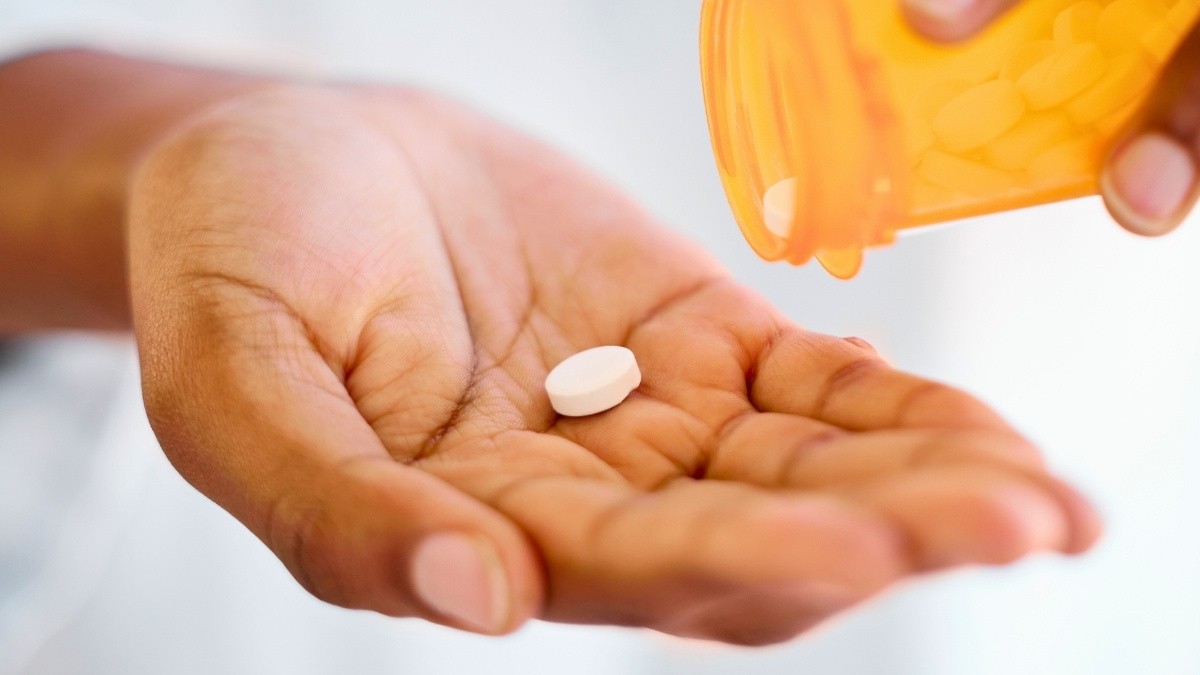
A widely used medication for high blood pressure and heart failure has demonstrated the potential to combat methicillin-resistant Staphylococcus aureus (MRSA), one of the most dangerous and difficult-to-treat bacterial infections.
According to a new study led by researchers at the Houston Methodist Research Institute in Texas, the drug Candesartan cilexetil (often abbreviated as CC) can disrupt and kill MRSA bacteria. This discovery offers a potential shortcut in the fight against antibiotic resistance, leveraging an existing, inexpensive drug rather than waiting for new, costly antibiotics to be developed.
The Crisis of Antibiotic Resistance
MRSA is not just a routine infection; it is a major public health threat. The bacteria can cause severe infections in the skin, lungs, and bloodstream. In the United States alone, the Centers for Disease Control and Prevention (CDC) estimates that MRSA results in more than 70,000 severe infections and 9,000 deaths annually.
Globally, the situation is even more dire. Antibiotic-resistant microbes were responsible for over 1.27 million deaths in 2019. Despite this urgency, the pipeline for new antibiotics is dry. Pharmaceutical companies often lack the financial incentive to develop new antibiotics because these drugs are typically used sparingly to prevent further resistance, making them less profitable than medications for chronic conditions.
“The market is completely upside down,” said Eleftherios Mylokanis, senior author of the study and an infectious disease specialist at Houston Methodist Academic Institute. “The better the antibiotic, we try not to use it, because we worry it will develop resistance.”
From Worms to Mice: How the Discovery Happened
The journey to identifying Candesartan cilexetil began with a massive screening process. Mylokanis and his team tested over 80,000 compounds on worms infected with MRSA. Only a handful of drugs helped the worms survive, and Candesartan cilexetil was among the few that proved effective.
To understand why it worked, the researchers moved from simple organisms to complex laboratory analyses. They used advanced imaging and simulations to observe the drug’s interaction with MRSA at a microscopic level.
How the Drug Kills Bacteria
The study revealed that Candesartan cilexetil attacks the bacteria’s cell membrane —the protective barrier that keeps the cell intact.
- Mechanism of Action: The drug latches onto, penetrates, and punctures holes in the MRSA cell membrane.
- Cellular Collapse: These breaches allow the bacteria’s internal contents to leak out, leading to cell death.
- Targeting Dormant Bacteria: Crucially, the drug was effective against persistent MRSA strains that can hide dormant in the body and re-emerge later, a common cause of treatment failure.
“We started building one by one, block by block,” said Nagendran Tharmalingam, the study’s first author and a microbiologist at Houston Methodist. “We found how this drug is causing membrane injury.”
Synergy and Future Steps
Perhaps the most promising finding is that Candesartan cilexetil works well in combination with existing antibiotics. When paired with drugs like gentamicin, the combination created a stronger antibacterial response at lower doses than either drug could achieve alone. This synergy could potentially reduce side effects and slow the development of new resistances.
In mouse models, the drug significantly reduced bacterial burdens, providing strong evidence that it could be effective in humans.
While the results are promising, the drug is not yet approved for treating MRSA. The researchers are now chemically tweaking Candesartan cilexetil to create new compounds that may be even more effective with fewer side effects. They are actively seeking partnerships with pharmaceutical and biotech companies to advance these findings into human clinical trials.
“We are trying to get this from benchside to bedside,” Tharmalingam said.
Conclusion
The repurposing of Candesartan cilexetil represents a strategic shift in combating superbugs: looking to existing, safe, and affordable medications rather than relying solely on new drug development. If human trials confirm its efficacy, this common heart medication could become a vital weapon in the ongoing battle against antibiotic-resistant infections.