It’s normal to want someone to heal the wounds in your life. Sometimes you just need a story that feels like a warm hug. We have put together a list of anime full of love and emotions. These shows are designed to help you feel like you have a friend or partner by your side during your toughest days. Watching every scene will give you butterflies in your stomach.
1. Clannad
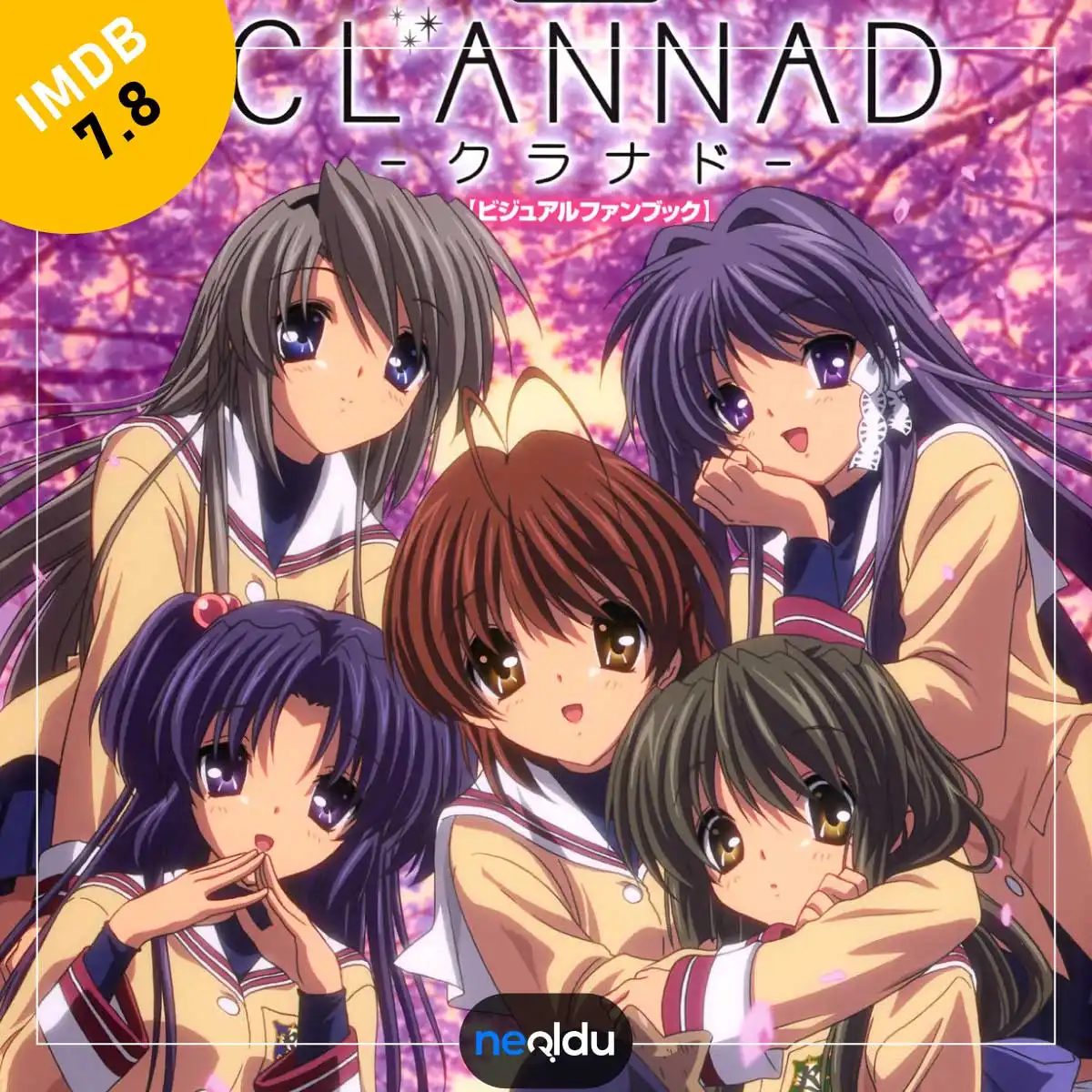
Let’s start with a titan. Clannad is more than just a romantic anime. It’s an emotional experience that many fans consider a rite of passage. The story follows Tomoya Okazaki. Before he met Nagisa Furukawa, he was a delinquent who thought life was meaningless. Their connection sparks a journey that is much more than just a high school romance.
The anime is about a family. loss. and the healing power of relationships. It does not shy away from heavy things. You will laugh. You may need tissues in the first 10 minutes. The characters are deeply drawn. Their struggles are real and relatable.
“Clannad proves that love isn’t just about romance. It’s about the people who hold you together when everything else falls apart.”
If you’re looking for a romance that really delivers, this is the one for you. It sets the bar very high. Other entries on this list are also trying to follow in its footsteps. But nothing compares to the raw impact of Tomoya and Nagisa’s story. If you want to know why people call these shows life-changing, start here.
Why ‘A Silent Voice’ was an unexpected drama
You meet a kid who treated school and classmates as noise. He lived his high school life until graduation day, and while everyone else was celebrating, he ended up repeating a grade. Why? Because he was the one who pushed the girl too far.
Enter Shouko Nishimiya. She’s deaf. She’s new. He was so isolated that other atrocities within the school seemed insignificant. They aren’t friends. They didn’t know each other at first. But when he tried to make up for it, things changed. Arrogance crumbles. The guilt deepens. Suddenly, the story of bullying turns into a story of redemption.
Genre: Romance/Comedy/Drama
IMDb rating: 7.8
Year of publication: 2017
Cast: Miyu Irino, Aoi Yuki, Yuki Kano, Tomoya Nagase
The Character Dynamics That Define the Story
This is not your typical high school love story. The bond between Shouya and Shouko is based on literal and emotional silence. Shouya is haunted by his past. He isolates himself to avoid judgment, only to discover that isolation itself is a kind of prison. Shoko faces a world that refuses to listen to her, both literally and figuratively.
Their interaction is awkward. They misunderstand the gesture. They have difficulty communicating. That’s the point. The film does not ignore the difficulty of bridging this gap. It shows friction. The moment when Shouya wants to help even though he wants to help. Shouko tries to smile but hides a painful moment.
“We can’t undo the past, but we can change the way we face the future.”
The supporting cast isn’t just filler. These represent different ways of dealing with shame and forgiveness. Some people forgive quickly. Some people hold grudges. Some forget completely. Shoya has to overcome all this. He must face the friends who betrayed him, the friends who stayed, and the friends he will never know the full story of.
What stands out?
Most movies about bullying end with a hug and a lesson. This one lingers. It doesn’t resolve neatly. Shoya didn’t get a free pass. He has to earn every bit of trust. The animation isn’t flashy for the sake of it. Used to highlight unmentioned content. A raised eyebrow. Averted eyes. The way Shouko’s sign language looks like a dance when she’s happy.
Kensuke Uzio’s score doesn’t define how you feel. It underlines it. You feel the weight of Shoya’s silence more than just hearing it. When the music swells, it’s not for melodrama. It’s all about the small wins. A conversation that doesn’t end in tears. A group photo where everyone is actually present.
Who should watch it?
If you’re looking for a romantic comedy with a lot of heart, this is the one for you. It’s a drama with moments of lightness. You will be frustrated if you are looking for quick solutions or a clean moral, But if you’re willing to endure the discomfort, watching someone fail before trying again can be very powerful.
Your lie in April
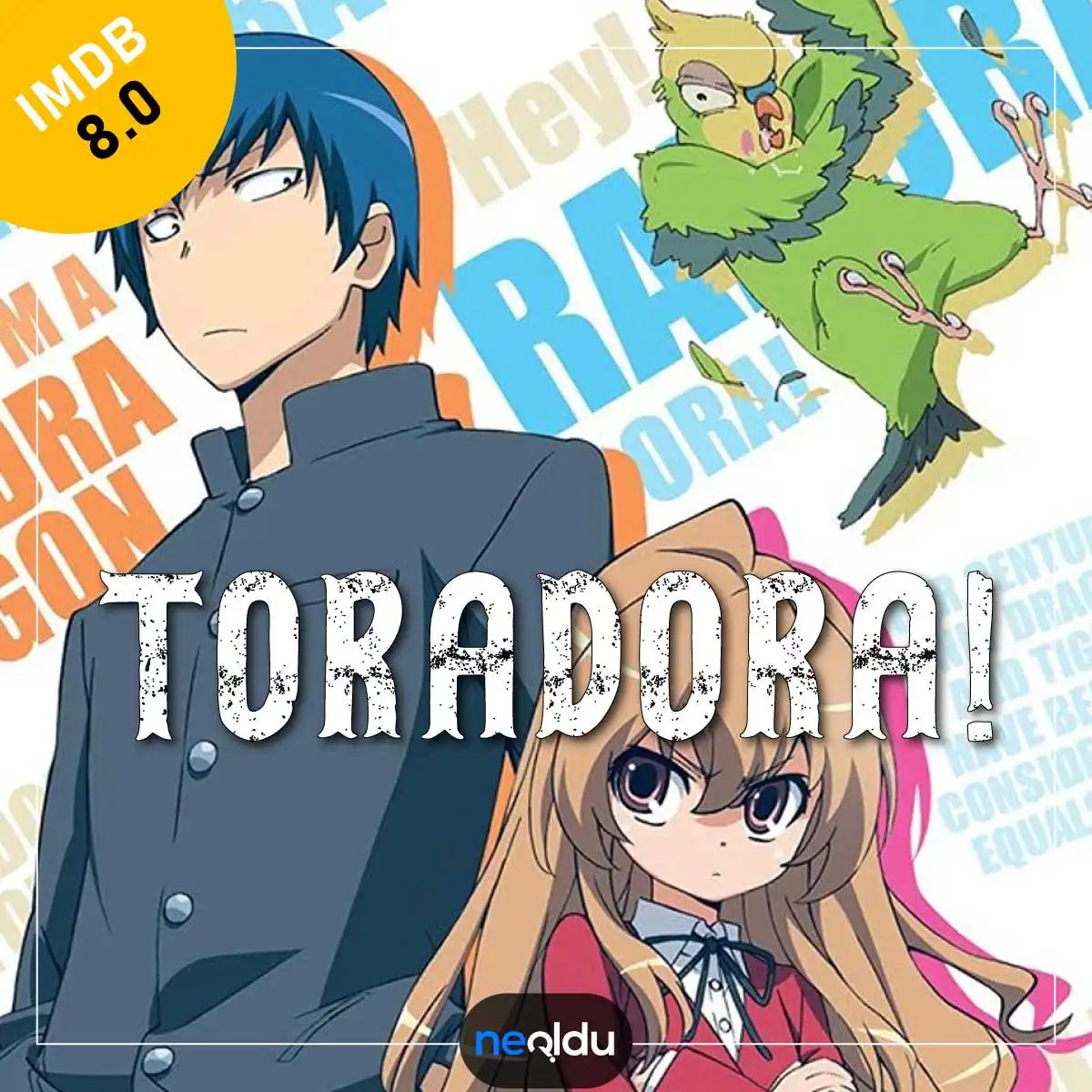
If “Toradora!*” is a warm embrace, the next song is a wonderful violin concerto. It just won’t break your heart. Rearrange the pieces until you no longer recognize the original shape.
Kousei Arima is a child prodigy. He played the piano with his eyes closed until his father’s shadow appeared over him. The pressure was too much. Kousei no longer listens to his own music. Silence became his only companion. He hasn’t touched a key in two years.
He lives in the gray area between being alive and just existing.
Then there is Kaori Miyazono.
He looked confused in his uniform. He didn’t ask about her past.
He didn’t care about her trauma. He drags her out of her apartment, forces her to listen to “his” violin, and demands that she attend a concert. he has a loud voice He is confused.
He was everything Kousei wasn’t.
Genre tags include “Romance” and “Drama”. That’s an understatement. It’s a tragedy wrapped in animation’s most vibrant colors.
IMDb rating: 8.5
First broadcast date: October 2014
Voice:
* Hiroshige Arima: Natsuki Hanae
* Kaori Miyazono: Risa Taneda
* Tsubaki Sawabe: Haruka Tomatsu
Why does it stick with you? It’s not about the music. It’s about permission. Forgive your feelings. Let yourself be hurt. If you feel stuck, give yourself permission to keep going.
Kaori plays the violin with terrifying fury. He treated his notes as if they were alive. He treats him like he’s alive. There’s a scene where he tells her that even if her music disappears, the sound of the piano will remain. The promise is that it cuts harder than any other blade.
This relationship is not based on great deeds. It was built on a shared silence that eventually became a dialogue. It’s based on the way he looks at her like she’s the only important person in the room.
“Even if I die, I’ll live in your show.”
When you hear this phrase twice, it feels different.
You know where this is going. You can tell from the title. “Your lie in April” April is the time when everything blooms. It all ends in April.
The animation quality improved in the second half. The color changes. The music starts. It’s not just about watching shows. I feel a vibration in my chest.
It is very fast. This is cruel. it is necessary.
If you like the family chaos of Toradora!*, this is the exact opposite. Instead of fixing each other’s chaotic lives, they help each other face unsolved problems.
The actors’ performances are unforgettable. Kaori cultivation is unforgettable. Kousei, played by Hanae, goes from robotic precision to raw, trembling emotion.
This is not a happy ending. Not the way you want. But it’s true.
In some cases, reliability is the most important thing.
What was the last song that made you cry?
You can find it here.
Verdict

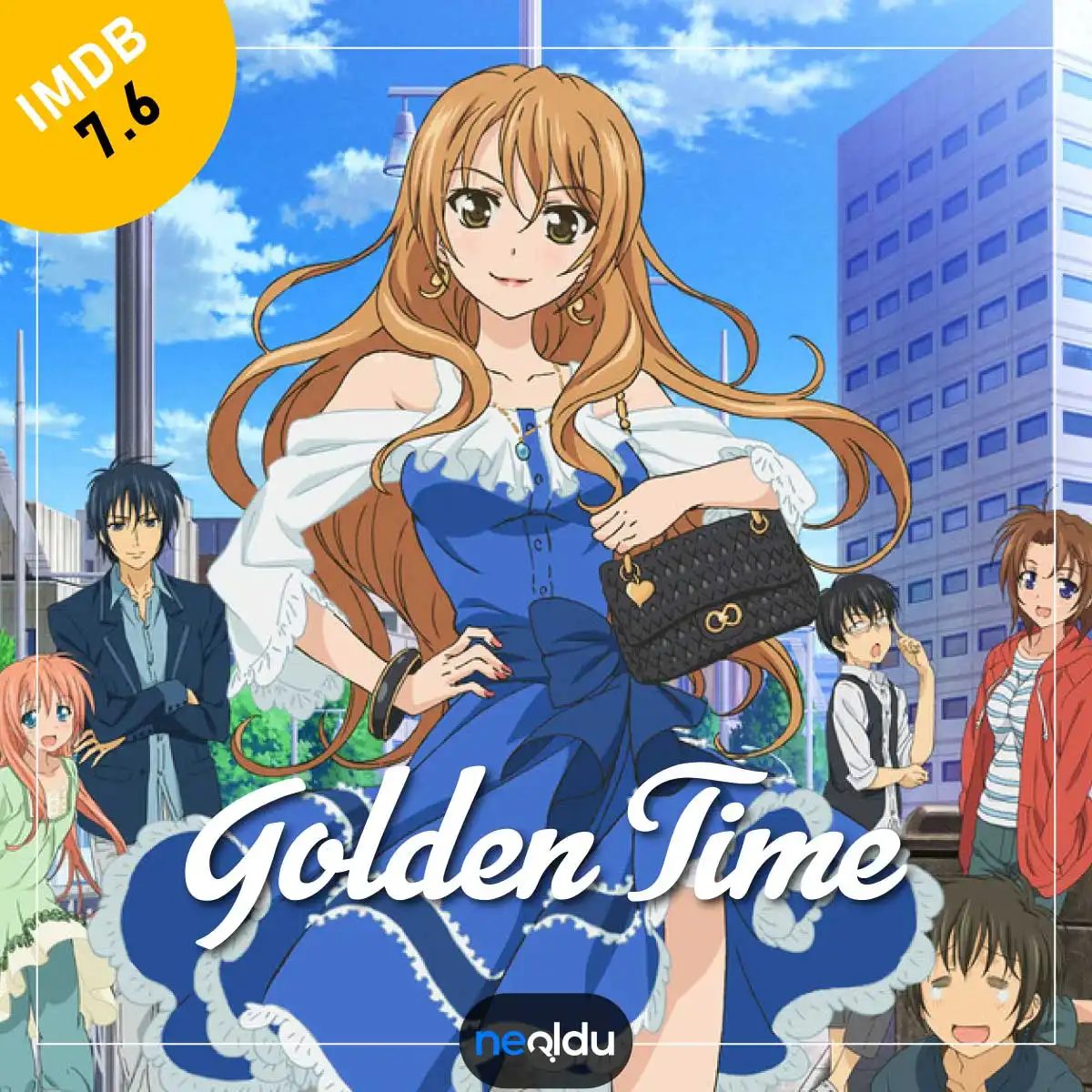
Tokitoh Kouji decided he was tired of the drama. He’s a first-year law student living in Tokyo with a suitcase full of stress, heartache, and a promise to an unforgettable girl. He tries to live a normal life. He wants to study She wants to forget about a high school romance that ended in a brutal public breakup. There I met Banri Tada.
he is confused He is very impulsive. And she crashes into his life like a shooting star.
Golden Time is not your typical sweet and fluffy romance. It’s chaotic, noisy and emotionally exhausting. It is for this reason that it has maintained an IMDb rating of 8.6 for over 10 years. This work captures the panic of young relationships where everyone sets the rules.
The push and pull of a new starting point
Tada came into the dormitory with no intention of getting attached. There is a metaphorical wall around his heart. He focused on the bar exam. He focuses on survival. Tada, on the other hand, is all heart and has no filter. She was also a law student and used the library as a party venue.
Their dynamic is based on friction. Tada is jealous of his past. She demands his present. She refuses to let him hide. The show explores why some people shy away from love for fear of losing it again. Tada fears attachment because her father is often absent. Her love language is aggressive and always seeking comfort.
“I don’t want to be just a memory. I want to be your reality.”
This tension drives the story. It’s not just a story about two people falling in love. It’s a story about two damaged people trying to figure out whether they can trust each other with their fragile egos. J. C. Staff’s animation is sharp, and the voice actors, especially Natsuki Hanae as Koji and Risa Taneda as Tada, lend emotional weight to every loud argument and whispered confession.
Why it stands out from a romantic comedy
Most romance anime follow a pattern. meet. Crush. A misunderstanding. Grand Gesture. Happy ending. Golden Time skips grand gestures. It leans into the awkwardness. You will see unanswered text messages. The arguments that happen in the hospital parking lot at 2 am. It’s like hating someone for a while and thinking they’re the only person who understands you.
The supporting cast add to the confusion. Kotoha Hoshikawa is Koji’s former lover, and her presence is like a bad smell. You can’t tell a story about a breakup without the relationship haunting the present. The show doesn’t let Koji off the hook. This forces him to face the reason he ran away in high school. Are you scared? Is it immature? Or maybe you just can’t handle the pressure of being a “good student”?
The legal background is secondary, but important. They study law, which is basically the study of rules and boundaries. Their relationship is about breaking and changing those boundaries. Although they are technically adults, they act like children in matters of the heart.
Who is this for?
If
The city was in ruins. After a serious accident that changes his life forever, Jinta tries to forget his past. He navigates urban struggles. He found his rhythm. There he meets his childhood classmate Mitsuo. Everything changes. His university existence was crushed by the weight of unrequited love. Mitsuo didn’t react. To make matters worse, his obsessive childhood friend Kouko starts stalking her. This drama is not just about relationships. This is psychological.
Genre: Romantic comedy, drama
IMDb rating: 7.6
Year of publication: 2013
Cast: Yuri Horie, Makoto Furukawa, Mike Haimoto
Childhood friend ghost
Why does “We still don’t know the name of the flower we saw that day” resonate with paranormal fans? It’s not just ghosts. It’s about the concrete, suffocating weight of memory. The story follows a group of childhood friends who are separated after a tragic event. Jinta Yadomi, a recluse known as “Jintan”, is drawn back into their orbit by the appearance of Menma, the soul of his dead friend.
The dynamic is messed up. Genuine. Jinta was not ready to face the guilt. His friends hide behind their own truths. Menma’s spirit appears and asks them to help her fulfill her unfinished wish. This is not an easy task. It’s an emotional excavation. In this drama, the characters have to face the lies they have told themselves and each other.
Where to look and why it matters
If you’re looking for a place to watch this emotional roller coaster, it’s a staple in many markets on major platforms like Crunchyroll and Hulu, though availability varies by region. People return to this title for more than just nostalgia. This is a portrait of raw grief.
Unlike typical romantic comedies, here the comedy is a fragile shield against the drama. The humor seems to be derived and born from the group’s awkward history. But the tears were the highlight. Animation studio A-1 Pictures uses visual metaphors effectively. Blooming flowers are not only decorations, but also symbolize the fragile nature of their bond. They symbolize the fragility of their relationship and the inevitability of change.
Actor and character dynamics
Yuri Horie voices Menma and brings an eerie fragility to the character throughout the story. Makoto Furukawa plays Jinta, portraying the confusion and pain of a boy trapped in his past. Mike Haimoto adds depth to the supporting cast and makes each friend feel like separate personalities rather than plot devices.
As stated in the original story, the interaction between Banri and Mitsuo highlights the central conflict of not being able to move forward. Banri is looking for a new life in the city, but the shadows of his past keep consuming him. Mitsuo represents the stability that Banri longs for, but the emotional distance between them creates the tension that drives the story. Kouko’s stalking behavior adds a disturbing sense of reality to the purely idealized romance.
How does it compare to other paranormal romance stories?
How does Anohana compare to other supernatural romance genre?
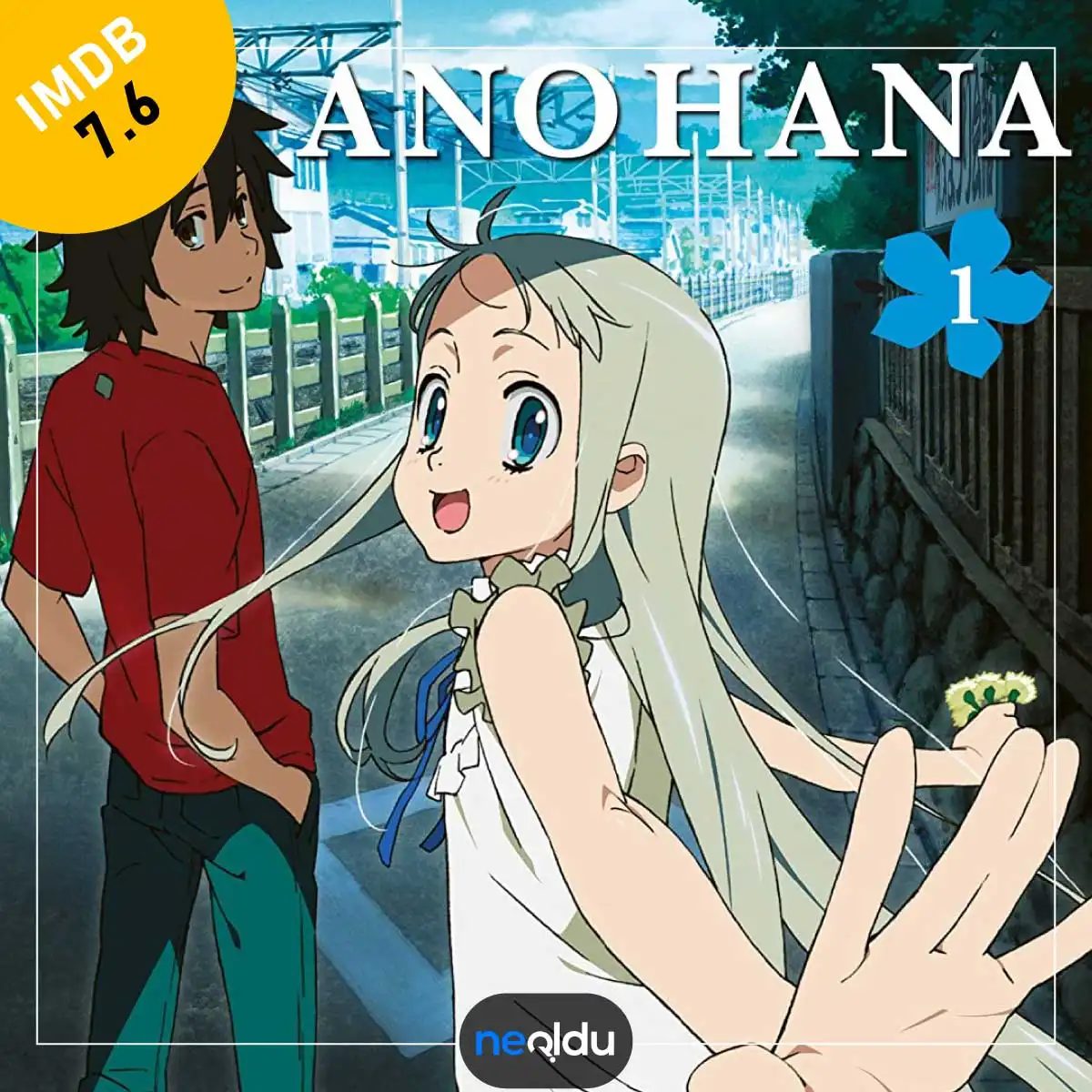
Six childhood friends are torn apart when one of them dies. The former leader of the organization, Jintan, is still alive, but his heart is empty. He begins to see the ghost of his deceased friend in his daily life in various situations. He is trapped and never chooses what happens to him because of the wishes he wants to fulfill. The appearance of Menma prompts Jintan to take action. Things have changed. The scattered group begins to reunite.
Genre: Romance, Adventure, Drama
IMDb: 8.2
Release Year: 2011
Cast: Miyu Irino, Ai Kayano, Haruka Tomatsu
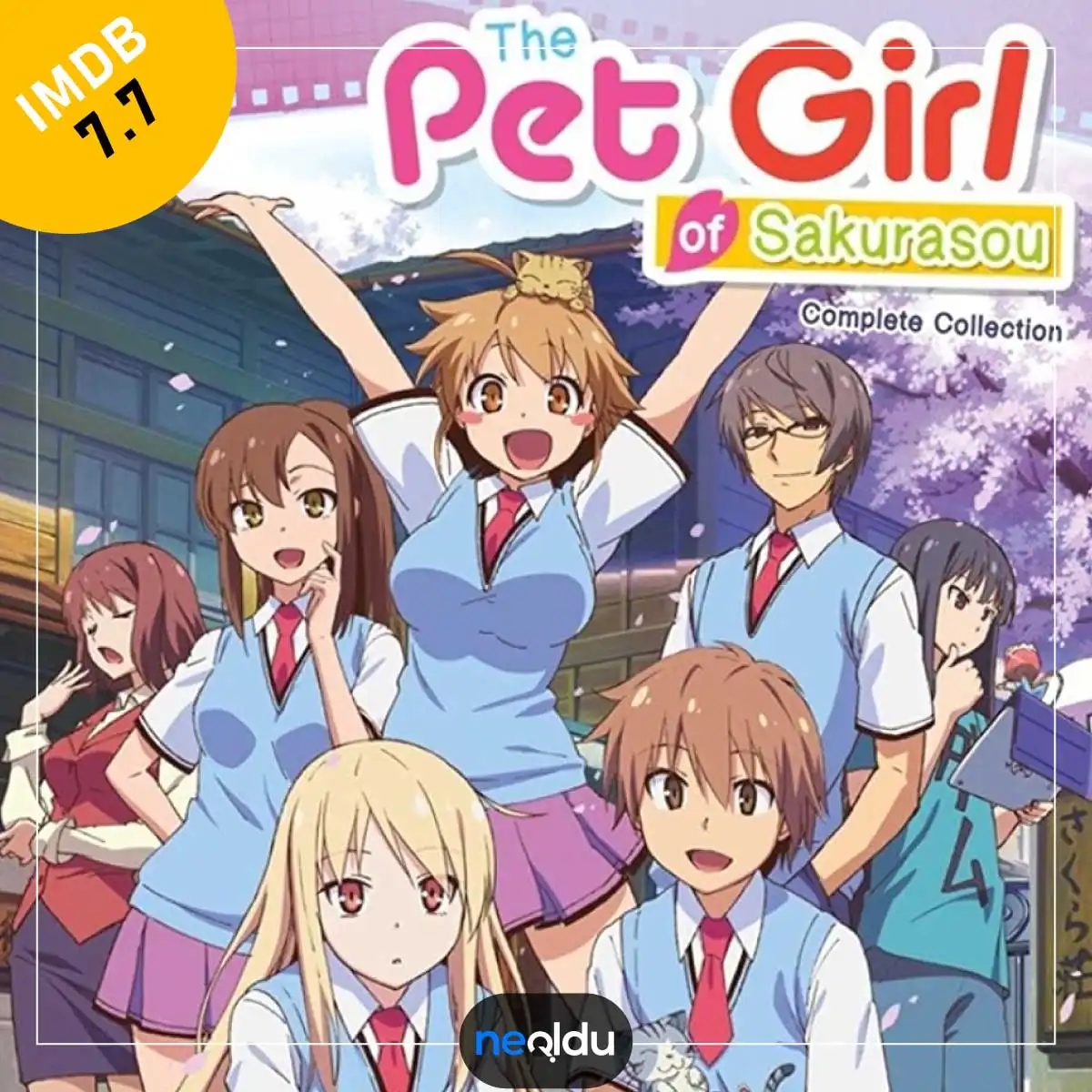
6. The Pet Girl of Sakurasou
The story of Sorata Kanda, a high school student who moved into Sakurasou Dormitory. It was a place reserved for problem students, and he there by mistake. The plan was to stay for only two months and then return to the original dormitory. This plan quickly falls apart when he ends up in the care of Mashiro Shiina, a talented but completely utterly helpless art prodigy. He was unable to perform basic human tasks such as cooking and bathing. She needs constant supervision. Sorata becomes her caretaker against his will.
The dynamic is messy. Sorata is pragmatic and stressed. Mashiro is naive and dependent. Their relationship grows from annoyance to something deeper. He is working towards his dream of becoming a game programmer. She struggles with being different. The dormitory becomes a pressure cooker for talent and insecurity. Other residents include actress trying to make it and former idol Jin Miyoshi. All characters are striving for something, each with their own flaws.
Sorata has to balance his studies and taking care of Mashiro. He also has to deal with his parents’ expectations and his own future. This show explores how art and creativity can isolate people. It asks if talent alone is enough or if more is needed to survive in the real world. The romance is slow-burning. The feeling is real because it is based on a shared struggle, not a momentary attraction.
The animation captures the mood well. The art style is soft and fits the emotional tone. Each character design is unique. You immediately know who is who. The voice actors add depth to the characters. Miyu Irino brings an grounded energy to Sorata. Ai Kayano makes Mashiro endearing without making her annoying. Haruka Tomatsu gives Ryoko a complex presence.
This story does not shy away from failure. Characters make bad choices. they hurt each other. They have to deal with the consequences. It is not a perfect fantasy. It’s about growing up and finding your place. The ending is satisfying but realistic. Not everything is fixed. Some things are learned. The bonds born in Sakurasou were only made after the last episode.
Is it better to take the safe route or risk everything for a dream? The show leaves that question hanging. You have to decide for yourself. The same goes for the characters.
Why Nana is still a pop culture staple 20 years later
If you thought anime romance peaked in the 2010s, Nana will quickly dispel that notion. Released in 2006, the show doesn’t just tell a love story. This work deals with the chaotic, turbulent and painful reality of a young woman in Tokyo burdened by dreams and heartaches. This is not a cheesy romantic comedy. It’s a raw look at friendship, betrayal and the special pain of loving someone who isn’t right for you.
The title refers to two very different women, both Nana, who end up sharing an apartment in the city. Nana Komatsu aka “Hachi” is a classic ditsy romantic. She easily loses herself in relationships and is constantly chasing men who aren’t really thinking about her. Nana Osaki is the opposite, a punk rock frontwoman with a sharp tongue and a ruthless heart. She is ambitious, independent and fiercely protective of her music.
When they met, it wasn’t love at first sight. It’s friction. Hachi needs someone to trust and Osaki needs someone to keep her feet on the ground. Their bond becomes the emotional backbone of the story. The series explores how these two friends influence each other’s choices, both for better and for worse. Hachi’s instability and Osaki’s rigidity collide. But they depend on each other in ways that cannot be acknowledged.
Music is a character in itself. The fictional band “Black Stones” guides the story. Osaki’s songs are heartfelt and reflecting her turmoil and ambition. The soundtracks doesn’t just accompany the scenes. It defines them. You feel the bass in my chest. You hear the anger in the vocals. This is not background noise. This is the heartbeat of the narrative.
Why does it still resonate today? Because it doesn’t sugarcoat the cost of art and love. Characters make bad decisions. they hurt people. They forgive and then betray again. It’s a cycle that feels painfully real. Animation captures the grit of the music scene. The fashion is iconic and continues to influence streetwear trends years after the show. But it’s the emotional honesty.
Fans often compare “Nana” to other slice-of-life dramas. The difference is the stakes. In Nana, choices have consequences. Missed calls can ruin a friendship. A wrong note can end your career. This series demands attention. It doesn’t hold your hand.
The voice acting adds another layer. Atsuko Tanaka brings Osaki’s abrasive charm to life. Rica Matsumoto brings a vulnerability that’s easy to dismiss but hard to forget that is often overlooked but hard to forget. Their performances make the characters feel like people you might know. Or people you might be.
Is it perfect? No. The pacing drags in the middle. Since the Manga is on hiatus, the ending remains unresolved, which can be frustrating. But that ambiguity fits the theme. Life doesn’t wrap up neatly. Relationships don’t always have closure. Nana leaves you with questions, not answers.
The impact extends beyond the screen. Conventions sell out. Fans dress up as characters. The songs are still streamed millions of times. This is a testament to the story’s power. It captures moments, emotions and struggle.
For anyone interested

Toxic bonds born in Tokyo
This premise sounds like the wrong setup for a romantic comedy. Two women with nothing in common end up sharing an apartment in Tokyo. It started with a logistical need. It ends in a codependent obsession.
For a while, this dynamic worked. Friction sparkles. They become a unit of two against the world. However, the shine fades quickly. Real life intrudes. The adult world is not kind to fragile friendships. Bonds crumble as the pressure builds and secrets are revealed. What was once love became suffocating.
Although it is advertised as a romantic comedy, it underestimates its psychological weight. The 2006 release date is set in a certain era of Japanese cinema, when the boundaries between intimacy and control were being tested on screen. The chemistry between the main characters drives the story, but it’s the unraveling that sticks with you that really grabs you.
Actors behind the tension
This movie relies heavily on the performances of the two leads. Their different energies create a central conflict. One is chaotic; the other is rigid. Both have flaws. Both have their own expectations.
Romi Park brings sharp and fleeting energy to his role. He plays characters that break boundaries and push boundaries. His performance is physical and direct. You can feel the temperature rising in every scene with him.
Kaori Brian provides balance. His personality is relatively introverted and observant. He absorbs chaos rather than creates it. However, absorption has its limits. When the tipping point comes, it becomes explosive.
Drummond adds new layers to the side characters and ground the dull and depressing reality of their relationship.
Why does it resonate?
This movie explores a certain kind of friendship that doesn’t get much screen time. This is not a story about idealized soulmates. It’s not an bitter rivalry. It’s a messy middle. A place where love and hate occupy the same space.
Viewers looking for a “Japanese film about complex female relationships” will find this film a compelling watch. Avoid easy answers. The tension definitely doesn’t go away. Rather, I feel an awkward discomfort when I see two people hurting each other while claiming to be helping each other.
An IMDb score of 8.5 suggests it struck a chord. Not because it has a happy ending. But because it feels real.
Where to follow the development of the plot
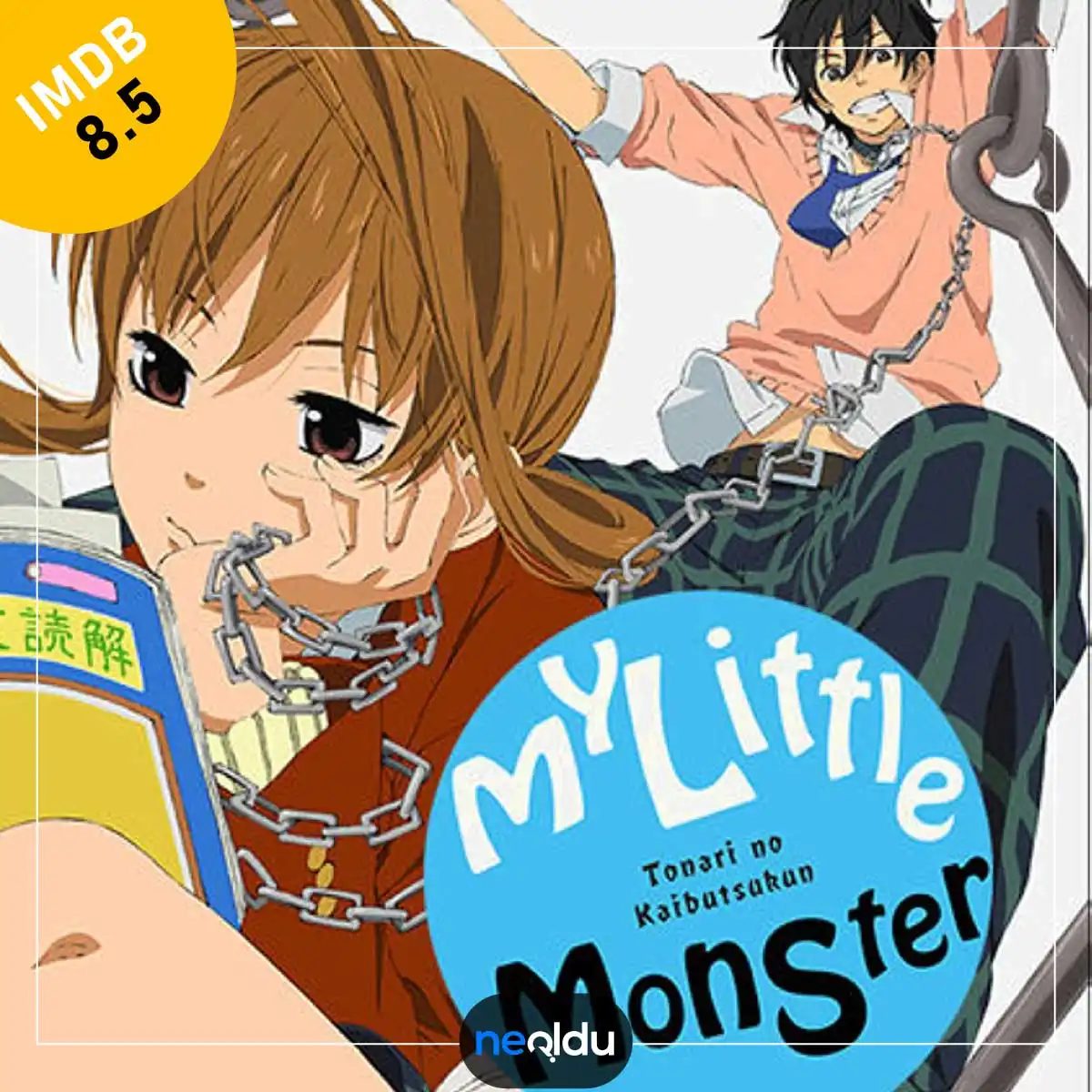
It took some digging to find “My Little Monster” (2006). This is not a mainstream hit. This is a niche film, usually classified as a collection of foreign independent films and Japanese dramas.
Search:
– “My Little Monster 2006 film Japan”
・”Romi Park Kaori Brian movie”
——”Japanese Romance Drama 2006 Female Friendship”
It’s worth it.
The performances are sharp.
The script is solid.
The ending is ambiguous, which might frustrate some people, but for others, it’s the only way to tell the story.
The relationship was never repaired.
It transforms. Or it’s broken. It depends on how you look at it. In any case, the effect remains.
9. Violet Evergarden
The Girl Who Learned to Say “I love you”
When Shizuku meets Haru, her attempts at normal social interaction come to a halt. He’s unstable. Unpredictable. One moment he was fine and the next his mood suddenly changed and the whole classroom shook. It’s exhausting. It’s very messy. But while it had its charms, it was enticing and confusing, neither of us were looking for it. They are not just classmates anymore. They’re entangled.
The show has a good balance between romance and comedy, but the comedy often feels like a coping mechanism for the drama. It’s not a fluffy, zero-stakes romance. It’s very messy. Real.
Why it works:
– Haru’s mood swings always create tension.
– Shizuku’s clumsy attempts to connect, but the attempts aren’t shocking and are relatable.
– The genre mix prevents the beats from being too heavy or light.
Stats:
– IMDb: 7.2
– Released: 2012
– Cast: Haruka Tomatsu, Tatsuhisa Suzuki, Atsumi Tanezaki
If you’re looking for a love that doesn’t shy away from the awkward and painful beginnings of attachment, this is for you. It’s not about grand gestures. It’s a story about two people trying to find a way to get closer to each other without breaking up.
From guns to lighters
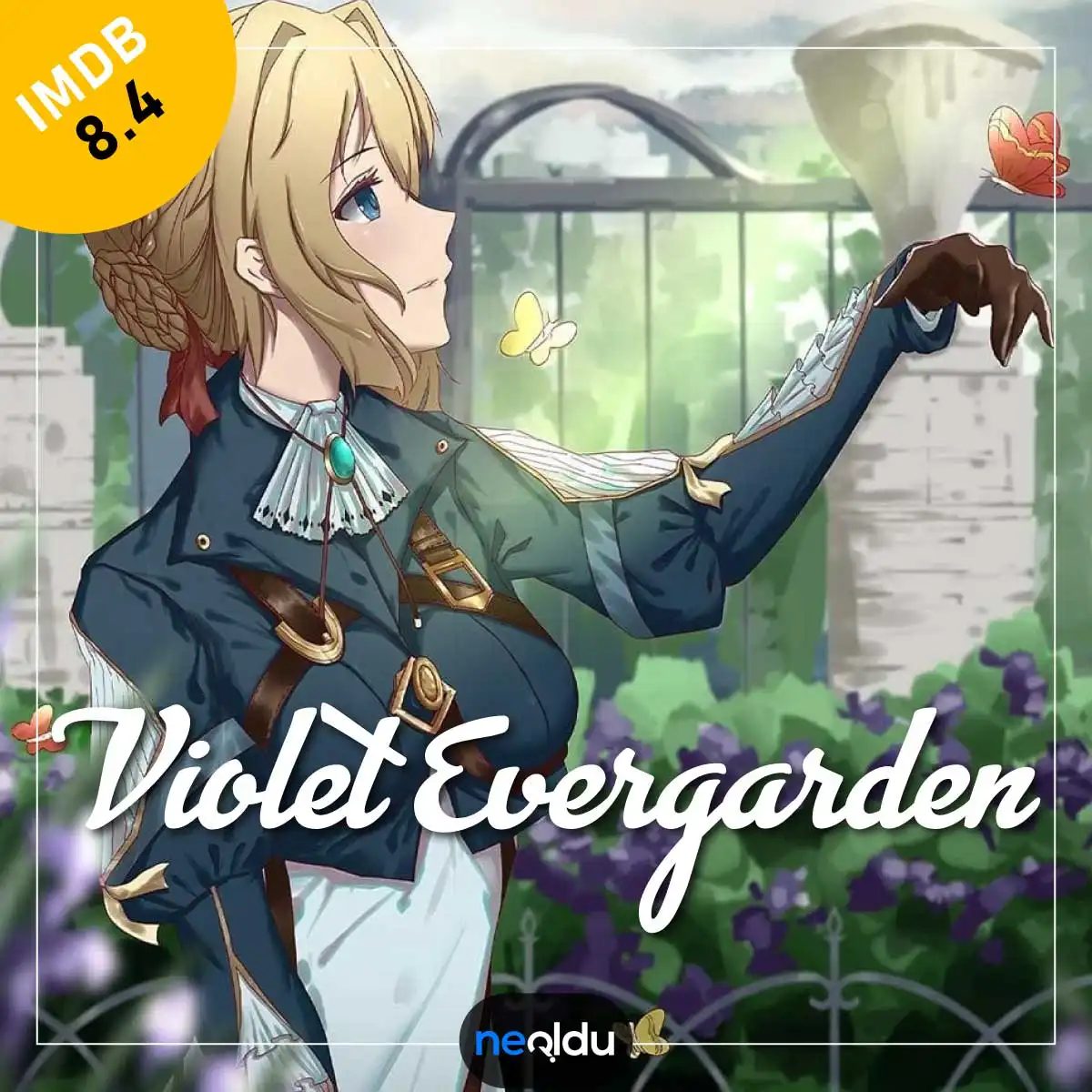
Four years of war. Violet Evergarden finally ends the conflict. However, the violence inside him did not stop even after the battle was over. He was created to be a deadly weapon on the battlefield. Even though he was standing in blood, he survived. only.
He currently works at the CH Post Office. His job is to deliver letters. He used something called an “automatic mnemonic” to write them. These devices record the sender’s feelings and thoughts and convert them into text. This is mechanical. Pinpoint. This was no match for the chaos he felt.
But that all changed when I saw these machines in action. He saw how words could bridge the gap. How can they be improved? How do we connect lonely people?
Why is it important?
This is not just a war story. This is romance. It’s drama. It’s a fantasy. IMDb has a high rating of 8.4. Released in 2018**, it caught the attention of fans looking for depth.
The voice actors add weight to their performances. Violet is voiced by Yui Ishikawa. Erika Harlacher provides the English dubbing. Raissa Bueno is also a member of the band. Their work infuses fantasy elements with real human emotions.
Words have the power to change lives. Violet learns this the hard way.
Emotional core
Violet’s journey is to find a new life after the trauma. He is not good at understanding people’s feelings. Auto Memory Doll helps him decipher them. They translate anger, love, sadness and hope into words.
In the process, he comes face to face with his past. The war took away her innocence. These letters lead him to a better understanding of the human experience. He begins to understand what it means to be alive. It just doesn’t exist. for the rest of your life.
The film balances these heavy themes with moments of quiet beauty. I’m not in a hurry. It allows the silence to speak. Sometimes the unsaid words speak louder than the spoken words.
Is it worth watching?
If you like this show, this movie is the finale. Resolve open issues. This gave Violet a chance to think. Come and apologize. Sorry.
It’s not perfect. Some of the pace feels slow. However, this slowness is intentional. It reflects Violet’s inner conflict. Each frame is carefully considered. Every word counts.
For fans of character-driven storytelling, The Shape of Sound: The Movie is for you. This is a story of salvation. About the connection. About finding light in the dark.
The ending is thought provoking. It’s not a real tape. But I have a question. What do we owe each other? How do we move forward when the past weighs on us?
Violet already had an answer. It is written in ink.

Beyond the classroom: Is Koe no Katachi the deaf experience you never knew you needed?
Shoko Nishimiya is not just a character in a school drama. She is a deaf elementary school student who is forced to change schools, which is a death sentence for her social life. When she moved to a new school, she immediately felt isolated. His classmates didn’t just ignore her; they actively bullied him aggressively. This is a brutal and unflinching look at how peer groups can quickly attack people who communicate differently.
You watch her try to endure to endure harassment as grappling with a future that doesn’t seem to exist. This is heavy. But the story goes beyond the trauma. Years later, the bonds she forms begin to reshape her reality. For fans of romantic anime set in schools, this story offers a touching and much-needed perspective.
The Stats
* Genre: Drama, Romance
* Rating: IMDb 8.1
* Release Year: 2016
* ** Director:** Naoko Yamada
The Voice Cast
The emotional weight of Shoko’s journey depends heavily on the voices behind him. Miyu Irino creates a complex dynamic between guilt and redemption from the perspective of the boy who once bullied her. Saori Hayami voices Shoko, expressing quiet strength with deep meaning. Ao Yuki completes the main roles.
If you are looking for a movie that will not only entertain you but also challenge you, this is it. It forces you to ask why we exclude others and what it truly costs to be understood. Director Naoko Yamada’s typical animation style uses visual metaphors to represent Shoko’s hearing world, allowing the audience to experience her isolation firsthand.
This is not a perfect movie in the traditional sense. Parts were painful to watch. But that discomfort is the point. It stays with you.
And there’s another end too. More Than a Married Couple, But Not Lovers (More Than a Married Couple, But Not Lovers) pulls you into a chaotic, comedic scenario. The premise is simple. Students at private academy are being forced to live together as “husband and wife” in a semester-long course designed to teach them about marriage.
This sounds like a standard harem setup. It isn’t.
The main focus is on two students, Shin and Mika, who get caught up in this arrangement. They don’t know each other well at the start. The friction is immediate. They bicker. they misunderstand each other. However, the course requires them to function as a single entity. You have to navigate, students must overcome pretending to be a couple and living in the same house.
The show uses this setting to explore the difference between the dynamics of a performative relationship and real emotional intimacy. Sure, it’s fun. The slapstick moments land. But the underlying question is whether they can move from forced proximity to real connection.
Why it works
Humor does not hinder character development. Shin and Mika have distinct flaws. Shin has a stubborn. Mika can be rigid. It is gratifying to see them break down those walls. This avoids the female lead purely reactive. Mika has her own agency within the constraints.
When chemistry needs a scorecard: turn to “Matchmaker Kyuuketsuki”.
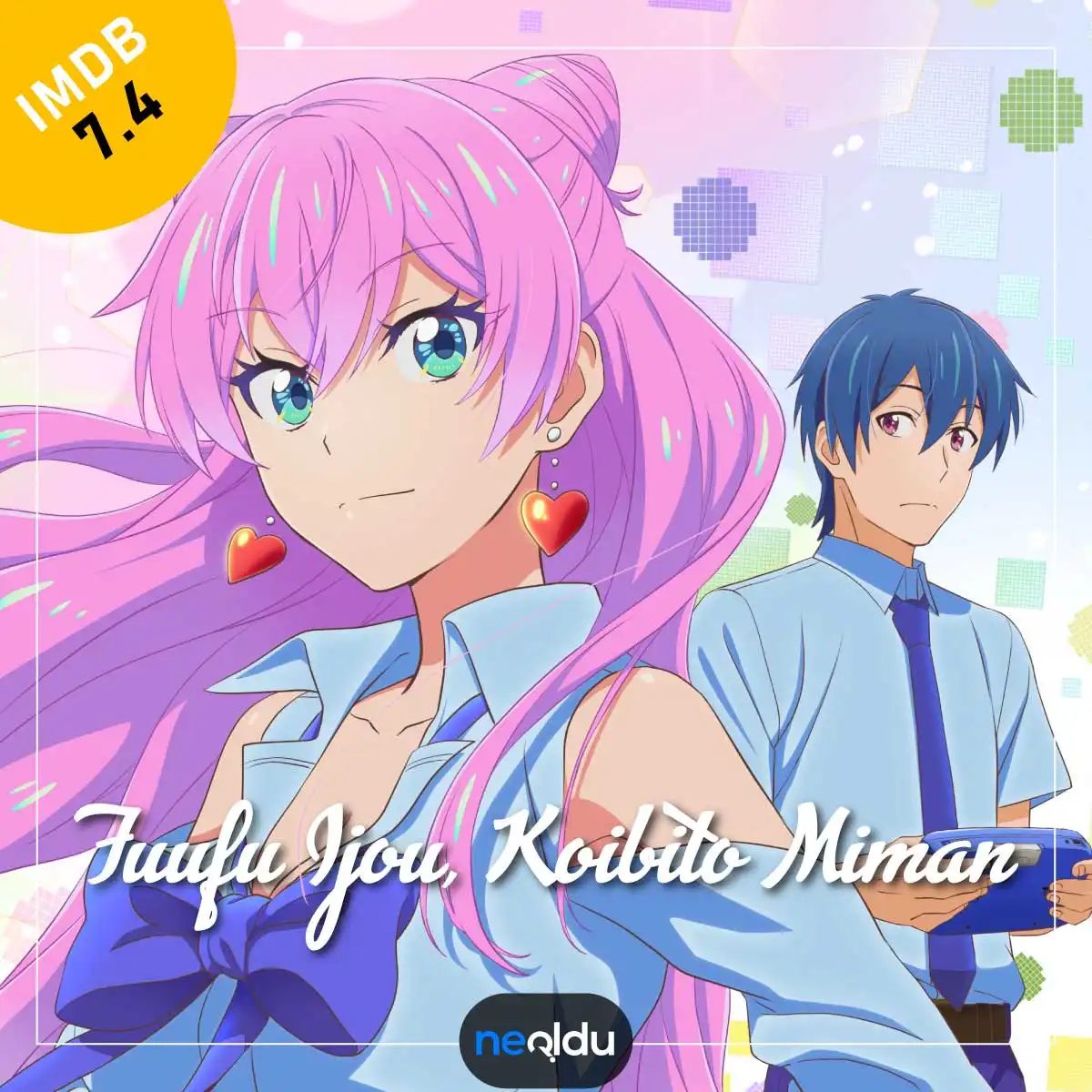
The premise sounds like a standard romantic comedy setup until you realize that the stakes are actually written in the stars, or at least on a digital scoreboard. In “Kakkou no Iinazuke” (also known as “Matchmaker Kyuuketsuki”), high school student Jiro finds himself paired with Akira. Let me be clear: they don’t get along. From the jump, Akira has come to find Jiro annoying and maybe even repulsive. It is this first spark of friction that makes every shared look feel like a negotiation.
But here is the kicker. they are trapped in a system. They are trapped in a system where romantic compatibility is measured. In order to get their true soulmate back, Jiro and Akira must collect enough “match points” with this pair. The catch? They have to pretend they care. Worst of all, they have to accidentally start caring while you’re pretending. This is a pressure cooker scenario where love is the currency and intimacy is the only way to pay the debt.
Why Forced Proximity Works
It’s the underlying desperation that keeps the series from descending into a cycle of awkward encounters. Jiro and Akira don’t just play for fun. They play games to escape. It combines the elements of romantic comedy and drama, because the humor comes from the absurdity of the situation and the drama comes from the fear of feeling for the wrong person. Or more dangerously, to each other, even if they don’t match mathematically.
The show touches on a particular insecurity that many young people feel: the pressure to have the “right” relationship. Kakkou no Iinazuke asks simple but troubling questions, turning compatibility into gamified metrics. Does the algorithm know you better than you know yourself? Or is this just a convenient excuse to explore connections that you’d never otherwise make?
The Cast and the Vibe
The chemistry between the leads is the engine of the show. Seiichiro Yamashita brings a down-to-earth, slightly edgy energy to Jiro, perfectly complementing Saori Oonishi’s Akira, who oscillates between annoyance and reluctant curiosity. Supporting players like Azumi Waki add a layer to the social dynamic and remind viewers that this isn’t happening in a vacuum. Everyone’s watching. Everyone judges. Everyone is waiting to see who will get the highest score.
The IMDb rating is 7.4, so the show is already gathering viewers. It’s not a Masterpiece of Cinematic Art, but it’s a tightly wound bingeable watch that understands the tropes of the genre well enough and throws in just enough twists to keep you guessing. The 2022 release date is firmly in line with the wave of modern anime that prioritizes fast pacing and clear narrative goals over convoluted character arcs. If you’re looking for a “will they, won’t they” show backed by real stakes and scores, this is the one for you.
Off-screen: Why game-based romance resonates
It’s interesting how Kakkou no Iinazuke mirrors our own digital dating reality. We swipe, we score, we match. The show takes this mechanical process literally. J

Nagi thought he knew where in the world it is. a simple life. A stable path. Then Erika appeared. She claimed she was on her way to meet her fiance. Of course this is a lie. A convenient fiction that bridges the gap between two strangers who don’t know each other yet.
Neither of them had a clue the twist that would change everything.
Nagi is not just some random guy. He was a boy who was switched at birth. The girl you were meant to work with from the start? I’m Erika. But here’s the problem. At that moment, she didn’t matter to him standing on that street. not much. To Nagi, Erika is nothing more than someone else’s fiancé. A person trying to become a fiance in another timeline. Or maybe a completely different life.
If you’re looking for the right mix of romantic comedy tropes, you need to watch Koi to Yobu ni wa Kimochi Warui. It leans heavily towards the “childhood friends” and “mistaken identity” angles, but it spins them with a freshness that keeps you watching.
The Romantic Comedy Formula
This series doesn’t shy away from the messy parts of romance. It isn’t a clean, sterile love story. There is baggage. There is confusion. Nagi must overcome the awkwardness of realizing that the girl he’s been approaching is truly his soulmate, while also navigating the social awkwardness of his current arrangement.
The humor comes from the distance. Strong dramatic irony. You will know the truth before they do. This tension drives the plot. It’s not just “will they, won’t they”. It’s how you overcome the lies you told yourself to get there. *
Why Viewers Are Hooked?
For fans of the genre, the appeal is specific. They want emotional rewards. You want the moment when the pieces click into place. This anime delivers that in spades. Although the premise is an high-concept premise, the chemistry between the main characters voiced by Kaito Ishikawa and others feels grounded.
The genre tags reads “comedy” and “romance”. This is accurate. But this is also a character study of two people learning to trust each other after the universe has played tricks on them since day one. The 2022 release date is the sweet spot of modern animation quality. It doesn’t feel very old. It feels current.
Is this worth your time?
This one stands out if you’re browsing streaming options looking for your next binge. It doesn’t rely on fan service or cheap jokes. Comedy is situational. Romance is earned.
“Sometimes the person you’re running from is the person you’re meant to be with.”
It’s a classic theme, executed with just enough nuance to make them feel fresh. The IMDb score is 6.7, reflecting a solid and well-received run. This isn’t a cinematic masterpiece, but it’s a competent and engaging entry into romantic comedy territory.
The story does not end with a simple handshake. It gets messy. It gets real. And that is
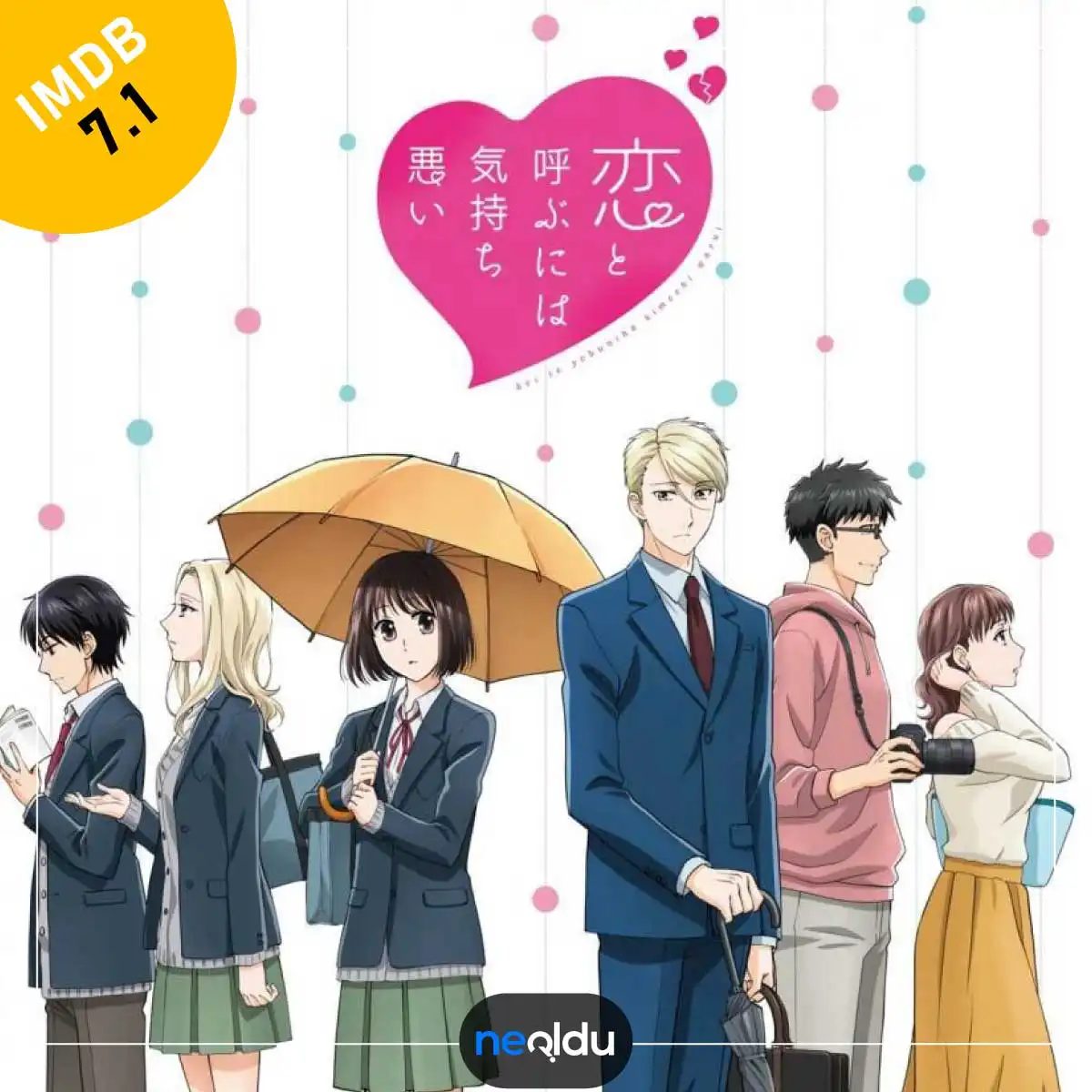
The awkward collision of class and attraction
The premise of Adachi to Shimamura is not a typical romantic comedy. There is Amakusa, a tycoon who seems to have everything money can buy, and Arima, a high school girl who has none of that. Their first meeting was not cute. It’s very messy. Amakusa tried to sweep her off with direct and aggressive movements. Arima’s reaction was pure disgust. He thinks it’s just his romance.
She thinks he’s a creep.
Genre tags represent comedy and romance.
This is a lie of omission. If you’re looking for casual fun, this is the wrong place.
The dynamic is built on friction. About the gap between corporate shark and students trying to navigate life. Chemistry is not warm. It’s electric and uncomfortable.
Why the rating remains unchanged despite a rocky start
Oddly enough, this show has an IMDb rating of 7.1. This number usually means reliable performance. This means that even if the behavior doesn’t work, the character study still works. The actors support this shaky premise. Toshiyuki Toyonaga brings a special intensity to Amakusa. He is not charismatic in the traditional sense. He is very convincing. Arima, played by Yurie Kozakai, is both fragile and sharp. You believe she hates him. You also believe she can’t look away. Rena Hasegawa adds weight to her supporting roles and grounding the high-concept dating idea based on reality.
Setting the release date in 2021 didn’t help it get a large audience right away. The timing is wrong. But the story remained. We don’t need a wave of hype. It needed patience. The show asks why people are attracted to others. Is it power? Is it confusion? Or just the thrill to be seen by even the wrong people?
The reality of romantic comedies
Most Romantic Comedies rely on misunderstandings being resolved in 10 minutes. This one sits in the dirt for some time. Amakusa’s method is flawed. This is arrogant. It’s an transactional view of affection. He thought that if he offered enough, she would agree. Arima knows better. Her rejection was no game. It’s a boundary. The show doesn’t let him off the hook. This forces him to face the fact that his ways are broken.
Audiences often look for a unique romance anime dynamics because they are tired of the same tropes. This series offers a different perspective. It depicts the conflict between a mature, successful man and an immature, insecure girl. The age gap is implied through their life stages. The power imbalance is clear. And yet, the attraction persists. Why? Because they challenge each other. Amakusa is bored with his own success. Arima was lost in her own uncertainty. They are the antidote to each other.
The visual style supports this tension. It’s not overly soft or pastel. The lighting often reflects the emotional coldness of their interactions. Colors are muted. Expressions are guarded. It’s a visual language that screams discomfort. That’s the point. Romance isn’t always pretty. Sometimes it’s ugly. Sometimes it’s just two people trying to figure out
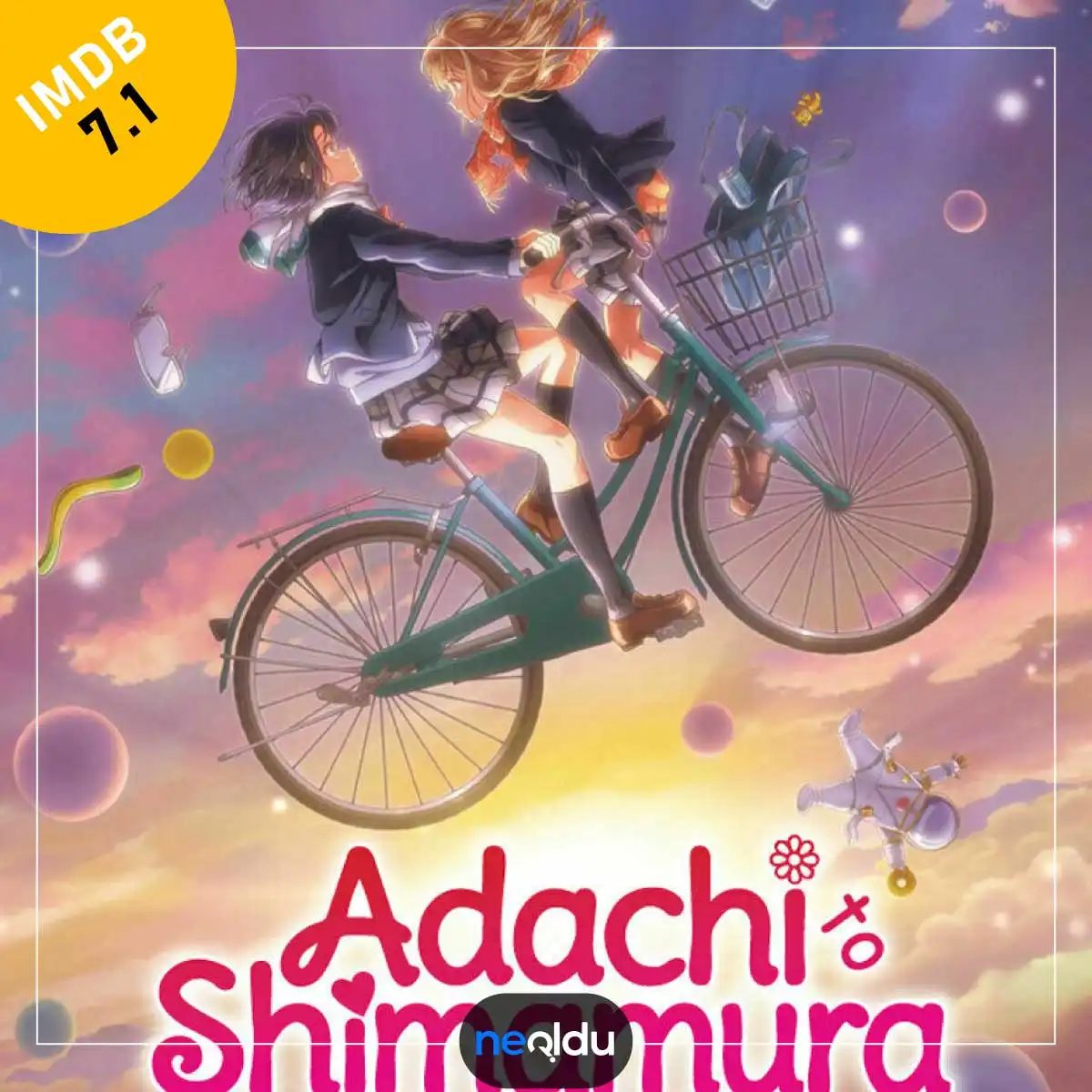
The second floor of the gym is not only a training place. It’s our spot.
Shimamura and I met there. We’re hanging out. we watch TV shows. we cook. we play tennis. Our friendship deepened here.
I leaned my head against the wall. I sighed. I imagined kissing Shimamura again.
It happened yesterday.
But what is it?
Maybe I just want to be friends. When you hear the word “friend,” you might want to think of him first.
Quiet romance
The genre is romantic drama. It is very subtle.
The IMDb rating is 7.1.
It came out in 2020.
Starring Akari Kito, Mirai Ito, Molly Zhang and others.
The settings feel very special. intimate.
There is more than just sweat on the second floor of the gym. It is full of memories.
>“Yesterday I pictured the kissing scene with Shimamura and let out a gentle sigh.
Is it love?
Or just the fear of being overlooked?
The screen fades. The story lingers.