It is the most neglected world in our solar system. We look up at the swirling storms of Jupiter or the rusting sand dunes of Mars, but what about Mercury? Almost no one bothered to look at it. Because it is so close to the sun, they are often lost in glare and only briefly visible at dawn or dusk. Most people cannot name a single fact about it. This is wrong.
Mercury is more than just a burnt rock. It defies simple explanation. Its secrets challenge our understanding of planet formation. While the other planets rotate or oscillate slowly, Mercury behaves differently. It’s small. It is dense. This is very strange.
Why is Mercury so hard to spot?
You can also blame the sun. Mercury’s orbit is closest to it. This proximity creates two problems. First, the sun’s glare washes away the dim light from the Earth. Second, the angle of the orbit means that it is never far from the sun in our sky. Appropriate conditions are required. You need clear horizons. Patience is needed. Most of us don’t have all three at the same time.
Therefore, we know little about it visually. Telescopes are useful, but they have their limitations. We depend on spacecraft. We trust physics. We rely on deductions.
What is unique about Mercury?
It’s not the biggest planet. It is not the hottest. Not the most colorful yet. But it is one of the smallest. In fact, it has become the smallest planet in the solar system since Pluto was demoted. This size is important. The small world cools down faster. Atmospheric gases are easier to lose. Mercury is believed to be a dead frozen ball. it is not.
Why? Because the density is very high. Its core is huge. It takes up about 85% of the planet’s radius. This is extremely rare. Earth’s core is about 55% of its radius. Mercury’s core of Mercury is dominant. This suggests a violent history. There was probably a giant impact in the distant past that stripped away much of its rocky mantle. Or perhaps the sun’s heat evaporated the lighter material prematurely. Which theory is correct is still debated.
How does Mercury survive in such extreme conditions?
During the day, the temperature rose to 430 degrees Celsius. At night, the temperature drops to -180 degrees. That’s a 600 degree swing. No other planet has experienced such changes. Why? Mercury doesn’t have much of an atmosphere to retain heat. The sun beats down. The surface bakes. The heat is then radiated into space as the planet slowly rotates. immediately. The ground went from the oven to the freezer in a few hours.
Lack of atmosphere means lack of weather. There are no clouds. There is no wind. Just a rock full of holes. Bare, silence, exposure.
What do we know about its surface?
Thanks to NASA’s Messenger mission, we now know even more. It orbited Mercury for four years before crashing into Mercury’s surface in 2015. The data revealed some surprising things. Water ice. In permanently shadowed craters at the poles. how? The sun will never reach that deep hole. They stay cold. Always. The ice is still there.
This changes the way we see Mercury. This is not just a dead world. There is a hidden reservoirs. Volatile substances. It may provide clues about how the building blocks of life spread throughout the solar system.
Why should you care?
Because Mercury tells us about beginnings. that
The extreme reality of #Mercury: Why the smallest planet defies expectations
Although Mercury orbits the closest to the Sun, it is not the hottest planet. This title belongs to Venus. This common misconception highlights just how counterintuitive our innermost neighbor are. Mercury, named after the Roman god of messengers for its rapid movement across the sky, is a world of extremes. Although it is small, dense and highly exposed to solar radiation, its geology is surprisingly complex.
The average distance from the Sun is about 58 million kilometers. This closeness determines everything about the planet’s behavior. One year (defined as one complete orbit) on Mercury takes only 88 Earth days. But what about a day on Mercury? That’s another story. Due to its slow rotation and fast orbit, one sunrise to sunrise takes about 176 Earth days. This means that two solar years pass each day. The heat differential is obvious.
Understanding Mercury’s surface conditions
Early astronomers, including Galileo Galilei in the 17th century, noted Mercury’s brightness and rapid motion. They find bright spots in the dark and process surface details. Telescopes improved this view, but Mercury’s true nature remained hidden until the space age. Mariner 10 provided the first close-up images in the 1970s, revealing a cratered landscape almost identical to the moon. New data from NASA’s MESSENGER mission suggests that Mercury is more dynamic than previously thought.
The surface is full of impact craters, vast plains and steep cliffs. These cliffs, called lobate scarps, are thrust faults that the planet’s crust compressed as the planet’s interior cools and contracts. This contraction the planet’s radius to shrink by 14 kilometers over billions of years. It’s a shrinking world.
The temperature paradox
Although Mercury is the closest to the Sun, it is not the hottest planet. Venus holds this record thanks to its thick, heat-trapping atmosphere. Mercury has almost no atmosphere to speak of. Lack of insulation can cause rapid temperature fluctuations. On the sunny side, the temperature can reach 430 °C (800 °F). On the dark side, temperatures drop to -180 °C (-290 °F). This daily variation of more than 600 degrees Celsius stresses the crust, causing frequent earthquakes and the cliff formation observed by spacecraft.
Composition and magnetic field
Mercury is the second densest planet in the solar system. Its density suggests a huge iron core that takes up about 85% of its radius. This large core produces a weak magnetic field the first discovered in any planet other than Earth. This region is very important because it protects the Earth’s surface from the solar wind, though much of the atmosphere has already been stripped away. The presence of this magnetic field, although weak, suggests that the partially molten core is still active.
Shadow crater water ice
Perhaps the most surprising discovery about Mercury is the presence of water ice. Radar observations from Earth and orbiting spacecraft have found bright deposits in permanently shadowed craters near the poles. These regions do not receive sunlight and are cold enough to preserve ice for billions of years. This discovery challenges previous assumptions that Mercury is completely barren and dry. The ice may have arrived as a result of a comet impact or released from minerals in the crust
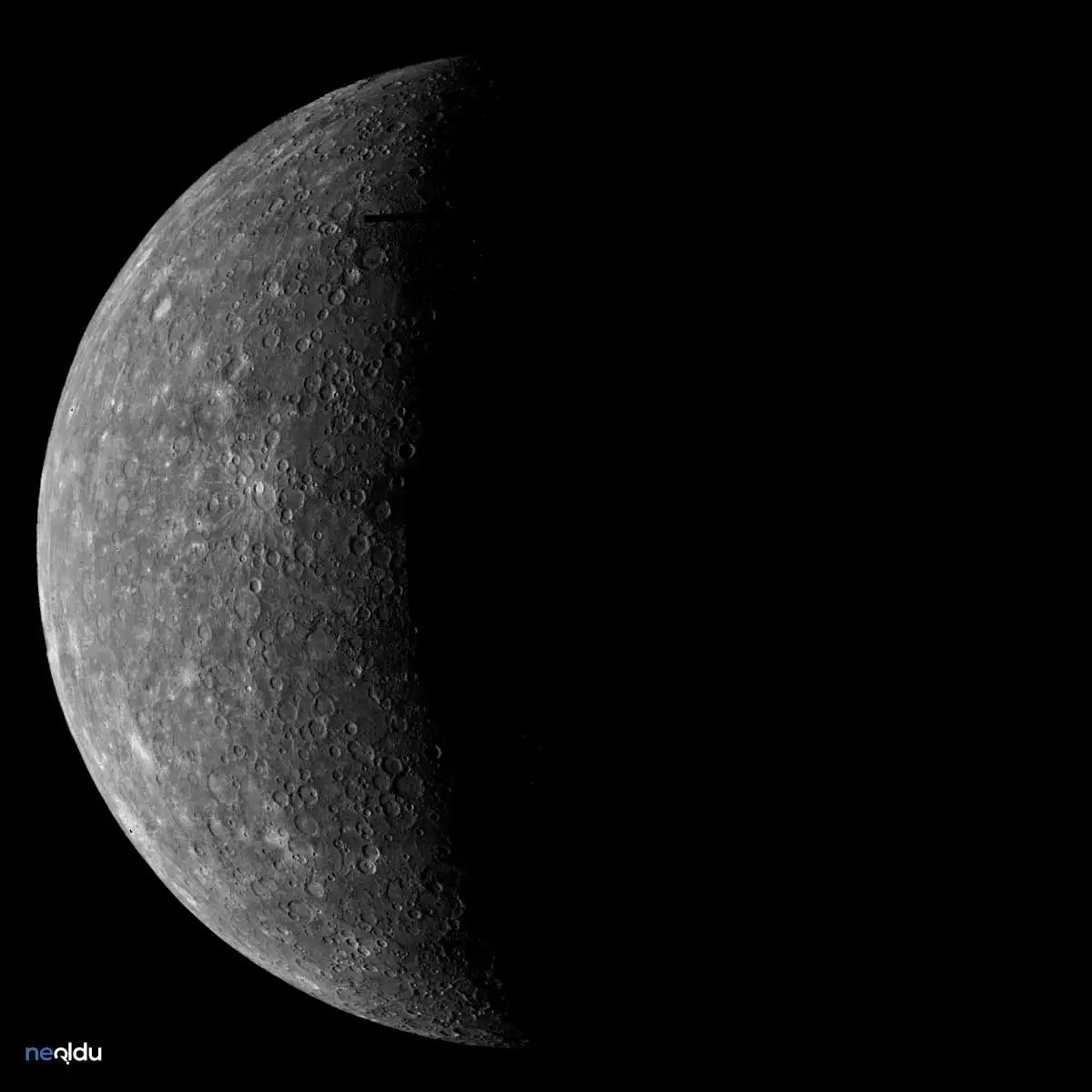
Mercury’s orbit and position in the solar system
Mercury isn’t just small. It is the smallest planet in the solar system. There are several realities associated with this distinction. It’s a world of scars and extremes, far from the blue marble we call home. Mercury wears its history on its sleeve, or rather in its shell. The landscape is characterized by craters, vast plains and rocky terrain. It is named after the Roman god of messengers because it orbits the sun faster than any other planet. It takes about 88 Earth days to complete one orbit. That’s a short year by our standards, but it’s a long, hot year for those who try to live there.
Being close to the Sun is the protagonist of Mercury’s story. This proximity means that temperatures can vary widely. We’re talking about a region where surface temperatures can reach up to 800 degrees Fahrenheit. This is not a beach resort. Although this article focuses on the influence of the sun, the heat during the day is unrelenting, but due to the physics of the planet at night it is the opposite.
Size matters here. The diameter of Mercury is about 4879 kilometers. This is about one-third the size of Earth. However, don’t confuse size with small surface area. Its total area is only about 15% of the Earth’s surface. It is compact. Dense. This compactness has long been a problem in its classification. Until 2006, Mercury was too small to meet the criteria to be called a full-fledged planet. The star is classified as a dwarf planet and orbits it along with other small bodies that have not yet orbited it. Reclassification changes the narrative, but not the physical reality.
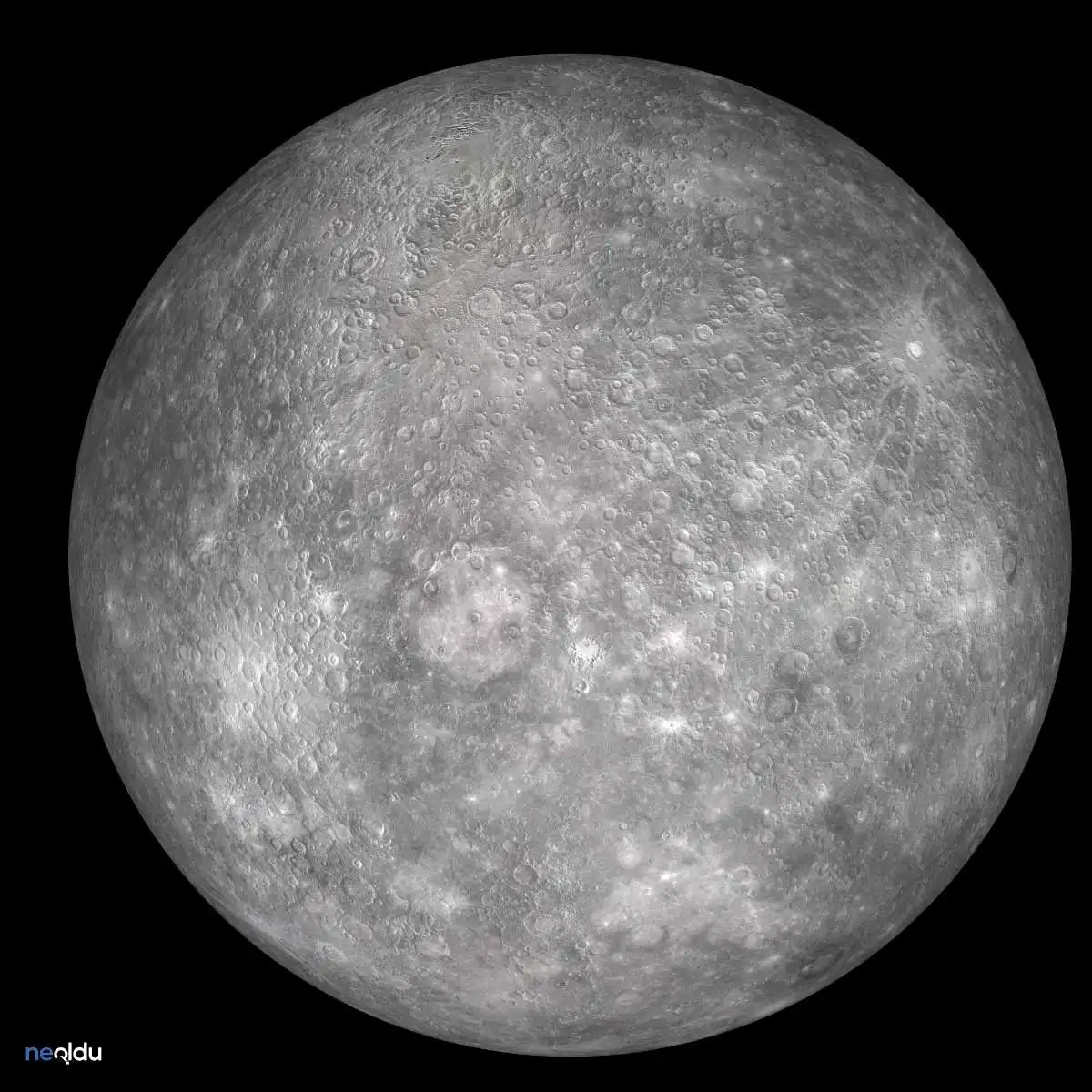
The surface is a graveyard of impacts. There are dozens of craters in the landscape, the largest of which dominates the view. These are more than just bumps. They are defining features of the planet. The ground is mostly rock, colored in shades of brown and reddish hues. There are also flat areas, but scientists still don’t fully understand how they got there. Geology is mysterious, and there are many questions that orbital missions have only begun to answer.
And there’s also the atmosphere, or lack thereof. Mercury’s magnetosphere is weak. It is too weak to completely block the solar wind. The particle stream from the sun bombards the surface and removes certain minerals over time. This sounds like a destructive process, and it is. But it also offers clues to one of the planet’s biggest mysteries: water. This erosion process may explain how ice and other volatile compounds survive on the surface. Recent observations confirm it. In the polar regions, in the shadows of craters where the sun never reaches, there are patches of ice. This is a paradox. A frozen reservoir on the hottest planet.
Mercury has no satellites. There are no natural satellites that can catch the light or stabilize its tilt. It’s lonely. Its orbit is not circular, but very elliptical and elongated. This form causes the temperature changes mentioned above. Its distance from the sun changes significantly during its orbit, causing extreme temperature fluctuations. It is a lonely and unstable existence that locked in a dance with the star, which it orbits every 88 days. The relationship is intimate, but not friendly. The sun’s radiation shapes the airless world, carving out
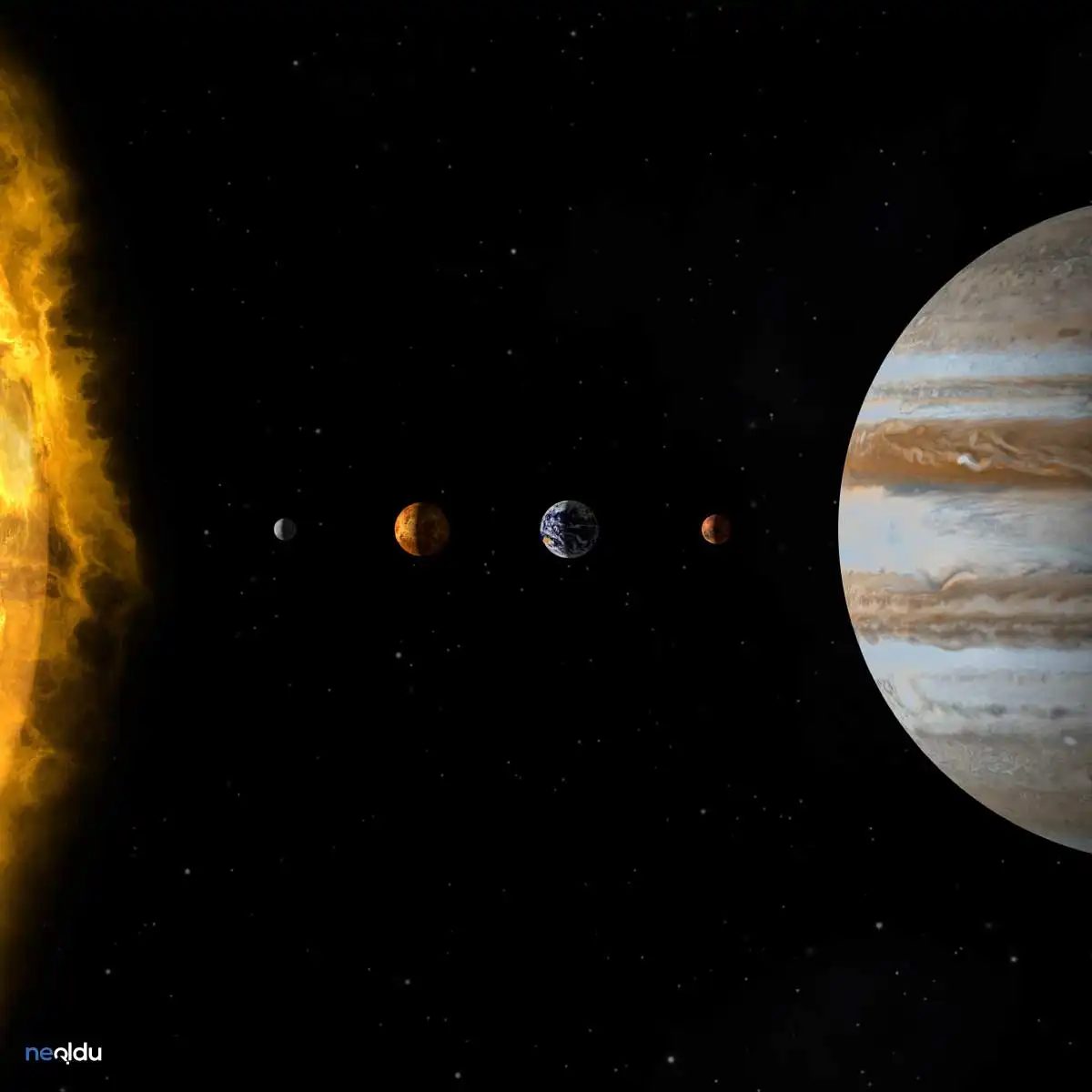
The harsh reality of #mercury’s orbit and structure
Mercury is the innermost and closest planet to the Sun. It is about 58 million kilometers from our star. This proximity means that it orbits the Sun faster than any other planet, completing a full orbit in just 88 days.
But it’s not a pretty circular road. The course is highly elliptical, resulting in extreme variations in distances. At perihelion, the point where Mercury is closest to the Sun, the distance is less than 46 million kilometers. At its farthest point, aphelion, it drifts to a distance of 70 million kilometers.
The slope of this course adds to the complexity. Mercury moves at an oblique angle to the Sun’s equator. As a result, it often drifts out of alignment with other planets. It’s a chaotic, lopsided, fast-paced dance around a burning star.
Impact and heat forged surface
Looking down at the ground, the situation had completely changed. The surface of Mercury is covered with craters. It is very similar to Earth’s moon. This scarred landscape tells the story of the relentless bombardment of the early solar system. There is no atmosphere to burn up an incoming asteroid. They just hit. Hard.
Temperatures vary wildly. Since there is little atmosphere to store heat, the cooking temperature on the side facing the sun is about 430°C. Darkside freezes at around -180 degrees Celsius. Stones cannot withstand this heat stress. It’s broken. It spread. It’s broken.
The interior of the planet is deep and dense. Mercury has a disproportionately large iron core. This core takes up most of the planet’s radius. It generates a weak magnetic field, which is unusual for an object of this size. The outer layer or crust is thin and stony. This structure suggests a violent history. Some scientists believe that a massive collision in the early solar system stripped away much of Mercury’s original mantle. All that remains is the metal frame encased in a flimsy shell.
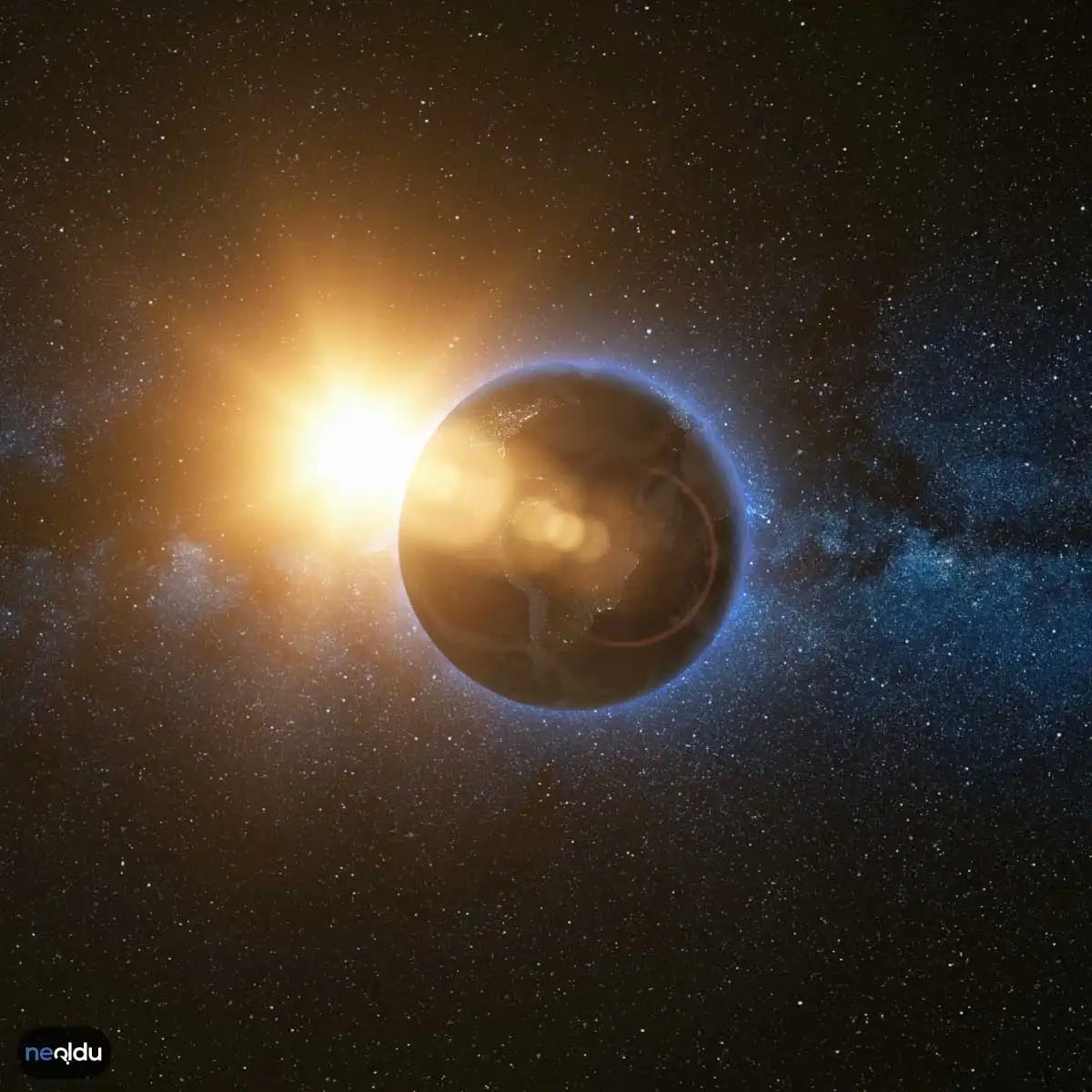
Mercury is the smallest planet in the solar system. A small footprint means limited surface area, but don’t mistake compactness for boring. The terrain is a mix of jagged craters, wide valleys and plains, and is quite different from the scenery of neighboring planets.
The surface is rough and scarred from eons of meteor impacts. These collisions formed huge basins and craters. Unlike Venus and Mars, Mercury shows no signs of recent volcanic activity that shaped its crust. Geology is static and time stands still.
But the first thing that comes to mind is its color. The planet is surprisingly dark. This is not a shadow. This is chemistry. The surface is rich in iron minerals, which gives it a deep, soft color. It is mainly composed of a type of basaltic rock called mercurite. Dust contains a lot of iron.
Inside the dense core
Look beneath the crust and you’ll find something unexpected. The interior of Mercury consists mainly of rocks and an alloy of iron and nickel. At its center is a massive core. It is disproportionately large compared to the planet’s overall size. In fact, it is the largest core relative to the mass of a planet in the entire solar system.
This metallic core is also the source of Mercury’s magnetic field. It’s powerful. Surprisingly strong. Despite its small size, this planet has one of the strongest magnetic fields of any Earth-like planet.
How We Know What We Know
Our knowledge of the world comes from two important missions: NASA’s Mariner 10 and MESSENGER. Mariner 10 made its first flyby to get a basic picture of the situation. MESSENGER orbited the planet and maps every inch in high resolution. The mission ended in 2015, but the data is still being processed. New details are revealed all the time.
Almost non-existent atmosphere
You might think that a planet this close to the sun would have a thick atmosphere. Not so with Mercury. It has an exosphere, a thin layer of atoms that are blasted off the surface by the solar wind and micrometeoroid impacts. It’s so thin it’s almost like a vacuum. You can’t breathe. Without sensitive instruments, you wouldn’t even know it was there.
This lack of atmosphere has consequences. Without air to trap heat, temperatures can vary widely. The surface is bake at a temperature of almost 430 °C (800 °F). Nighttime temperatures can drop to -180 °C (-290 °F). That’s a 600 degree swing. No blanket to keep the warmth in. There are no clouds to reflect the sun.
Exosphere also means that there is no weather. There is no wind. There is no erosion caused by rain. Since atmospheric abrasion does not occur, these craters remain pristine. Geologically it is a dead world, but it is not empty. There’s just no air.
Researchers are still analyzing Messenger data. We look for water ice in permanently shadowed craters near the poles. We study the interaction between magnetic fields and the solar wind. There’s still a lot to figure out. The surface tells one story, but the interior might hold another.
Mercury doesn’t have an atmosphere like we think. Basically, it doesn’t exist. As the planet is one of the smallest planets in the solar system, its gravity is too weak to support the gas blanket. The surface gets so hot that the stone evaporates. However, these released gases do not form a stable atmosphere and diffuse.
Only the outer layer remains. This is a thin layer of gas driven mainly by the solar wind. It is so thin that the atoms barely interact with each other. They bounce off Mercury’s surface, get heated by the sun’s light and drift into space. There is no weather. There is no wind. It’s just atoms spread out and stuck on the surface of the hot rock.
Tracing discovery history
How we found Mercury is puzzling. This was not an “aha” moment, but a slow process that unfolded over centuries. Early astronomers saw a blip near the sun and guessed it was a planet. They called it “Shahriyar” in Persian and “Star of Nabu” in Babylonian texts. But it will take time to prove that it is one object and not two.
Galileo observed it in 1631 and thought it was a transit of Venus. It was not until 1631 that Giovanni Zupi confirmed that Mercury orbits the Sun. This was huge. It supported the heliocentric theory. But for centuries we knew almost nothing about its surface.
Mariner 10 Flyby
In 1974, NASA’s Mariner 10 spacecraft finally flew by Mercury. It flew past Mercury three times. The picture was grainy. The resolution is poor. But they reveal a world similar to our moon. Heavily cratered. Dead. Dark.
Mariner 10 also detected a small magnetic field. This was unexpected. Small planets tend to cool and lose their magnetic generators. Mercury still has one. It’s faint, only about 1% of Mercury’s surface, but it’s there. This field traps some of the solar wind and forms the magnetosphere. It’s not much, but it’s something.
“Mercury’s magnetic field is mysterious. It points to a still partially molten core or perhaps a unique dynamo process.”
Detailed portrait of Messenger
Mariner 10 only saw half of the globe. Until 2008, the other side remained a mystery. MESSENGER arrived. It orbited Mercury for four years. It mapped the entire surface. It found water ice in permanently shadowed craters at the poles. This is very shocking. How can ice survive on a planet so close to the sun?
The answer is geometry. Some craters are so deep that sunlight cannot reach the bottom. There, the temperature drops to -180 degrees. Ice can last for billions of years. It wasn’t delivered by comets alone. Some of this may remain in the minerals and slowly release over time.
MESSENGER also confirmed the composition of the atmosphere. Mainly oxygen, sodium, hydrogen, helium and potassium. Where do these come from? Solar wind sputtering. Micrometeorite impact. Radioactive decay of rocks. It is
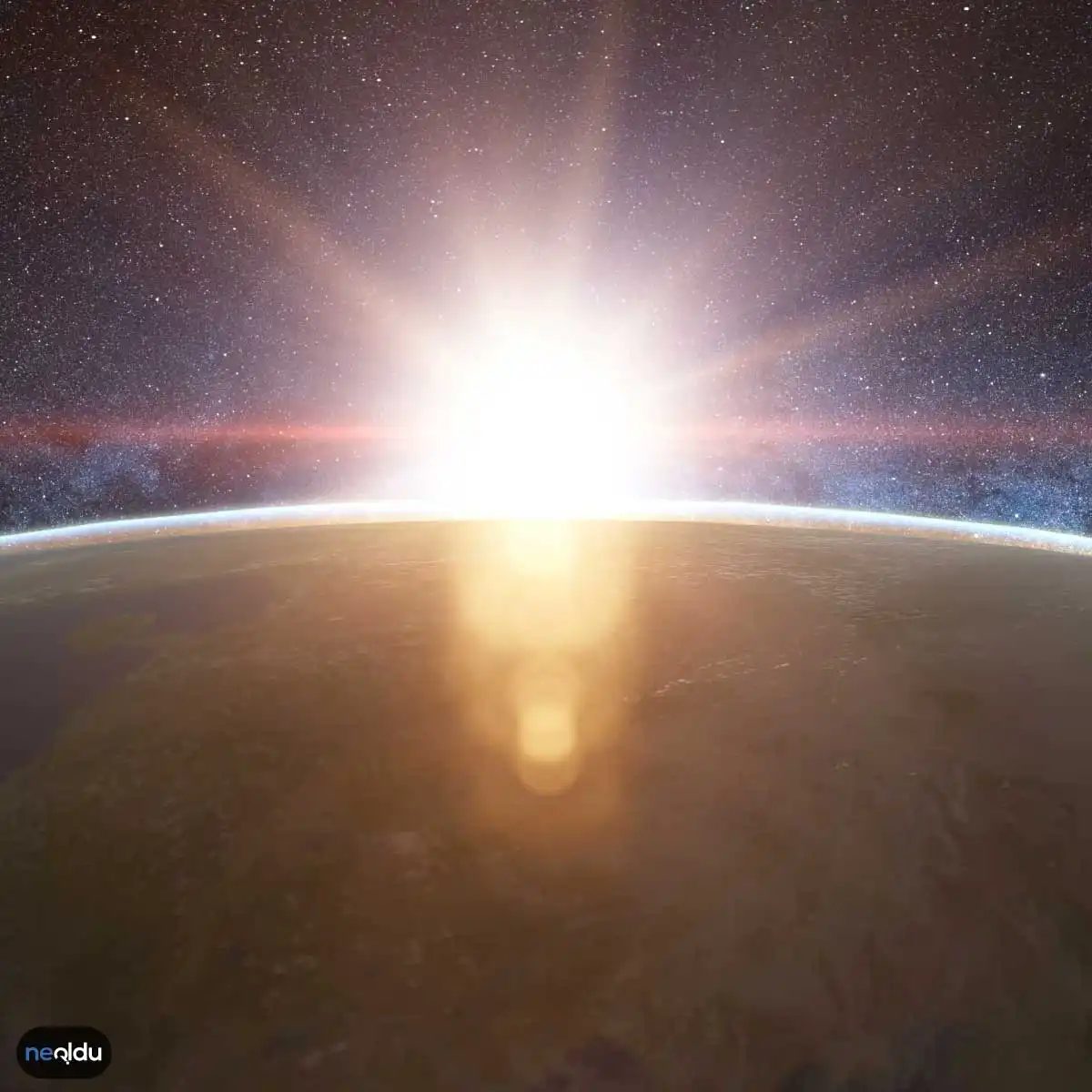
A brief history of Mercury observations
Mercury is one of the five brightest planets visible to the naked eye. The story of its discovery is not about single “Eureka!” moment and details about the slow development of technology and human curiosity. Early observations can be traced back to the Ptolemaic era. However, Ptolemy found it difficult to distinguish between Mercury and the stars. He grouped it with other wandering objects, but did not fully understand its unique properties.
Today’s astronomers aren’t just waiting for telescopes to arrive. They used complex mathematical calculations to predict Mercury’s presence and orbit long before they actually saw it. Galileo Galilei made the first clear telescopic observations in 1631. He identified several important properties. Then came the space age. NASA’s Mariner 4 became the first spacecraft to image the surface in 1965. Mariner 10 followed in 1974, completing three orbits and taking detailed footage. More recently, ESA launched the BepiColombo mission in 2011 to conduct a comprehensive survey.
What is mercury?
Mercury is the smallest planet in the solar system. It is also the innermost. Its proximity to the Sun determines its short orbit. It completes a year faster than on any other planet.
Surface of Mercury
The surface is harsh. It is full of craters. Strong solar radiation creates a hot and unforgiving climate. Yet Mercury has one of the flattest surfaces of all the planets. This is due to basaltic lava flows that leveled large areas long ago.
Is life possible on Mercury?
No, the conditions are too extreme. There is no atmosphere to speak of. Radiation levels are lethal. Fluctuations in temperature can be devastating. It is not a place for life as we know it.
Distance from the sun
The average distance of Mercury from the Sun is about 57.91 million kilometers.