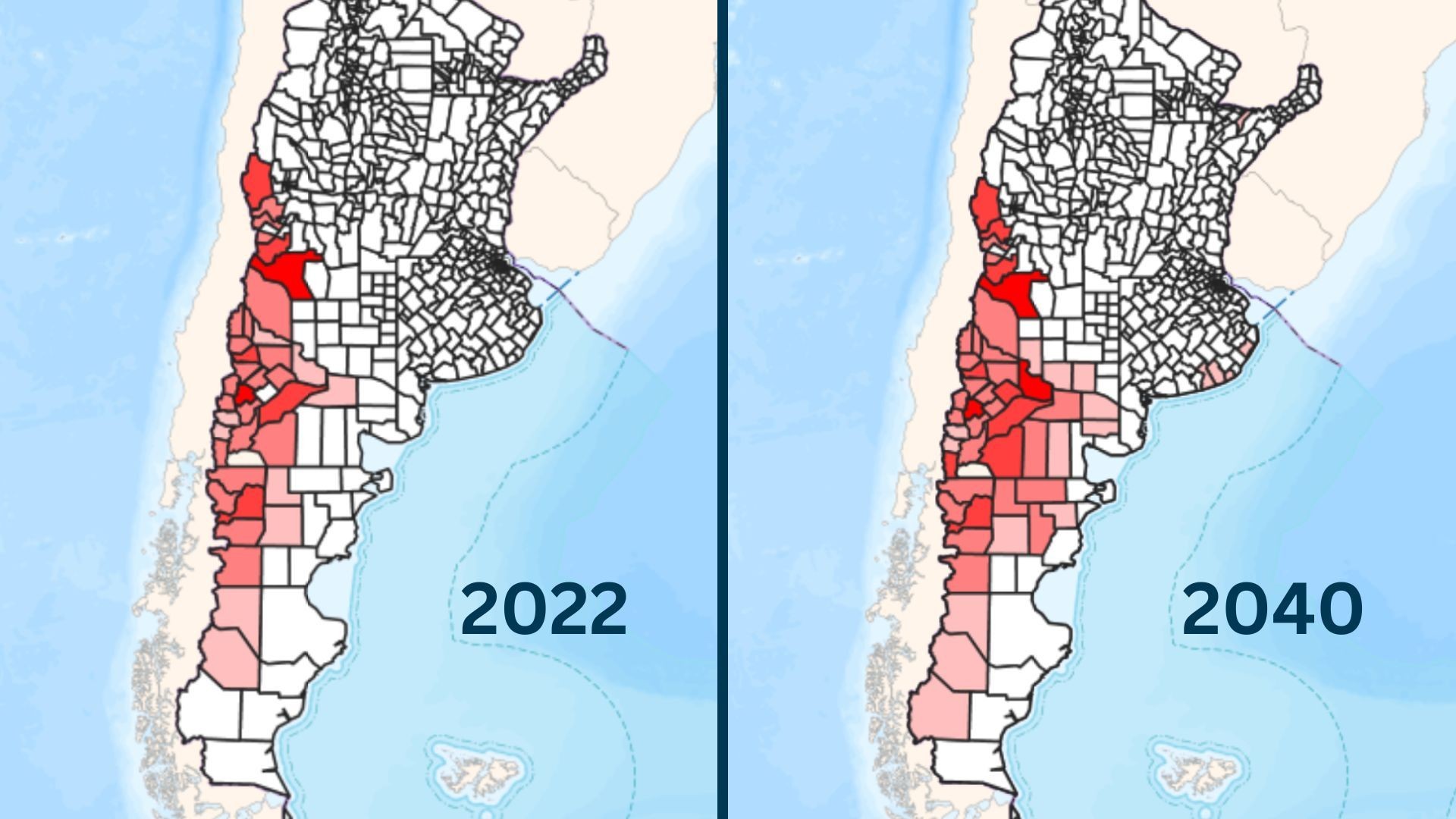
Recent modeling suggests that climate change is reshaping the geographic range of rodents that carry hantaviruses, potentially bringing these pathogens into closer contact with human populations. As weather patterns shift, the habitats of virus-carrying rodents are expanding, increasing the risk of “spillover” events—where viruses jump from animals to humans. This trend raises urgent concerns for public health, particularly in South America, where outbreaks have recently surged.
The issue gained global attention following a cluster of hantavirus cases on the cruise ship MV Hondius. While countries like Argentina and Chile have managed hantavirus for decades, recent data indicates a worrying acceleration. Between June 2025 and early May 2026, Argentina recorded over 100 cases of hantavirus disease, roughly double the number from the previous year. This uptick signals that the virus is not only present but becoming more prevalent in areas where human exposure is likely to increase.
Understanding the Threat: Hantavirus and Its Hosts
Hantaviruses are a family of rodent-borne viruses found across the Americas, Europe, and Asia. In the Americas, “New World” hantaviruses cause Hantavirus Cardiopulmonary Syndrome (HCPS), a severe illness characterized by headache, fever, and gastrointestinal symptoms that can rapidly progress to life-threatening respiratory failure.
- High Mortality: HCPS has a case mortality rate of up to 50%, making it one of the most severe forms of the disease. In contrast, infections in Europe and Asia generally have lower fatality rates.
- Human-to-Human Transmission: The Andes virus, responsible for the recent cruise ship cluster, is unique. It is the only known hantavirus capable of transmitting between humans, amplifying the risk of outbreaks in confined spaces.
The natural reservoir for the Andes virus is the long-tailed pygmy rice rat (Oligoryzomys longicaudatus ). These rodents typically inhabit the humid forests and shrublands of the southern Andes in Chile and Argentina. Humans usually contract the virus through contact with the urine, feces, or saliva of infected rodents.
Climate Shifts Are Moving the Danger Zone
Climate models indicate that changing weather patterns will significantly alter the habitat of these reservoir rodents. Over the next few decades, the long-tailed pygmy rice rat’s range is predicted to expand eastward toward Argentina’s Atlantic coast. This is critical because the vast majority of Argentina’s population lives in this coastal region, meaning millions of people could be exposed to a disease they have not previously encountered.
“More intensive surveillance and testing are needed across provinces, because the virus might be reaching new areas without us finding out,” warns Juan Diego Pinotti, a postdoctoral researcher at Argentina’s National Council of Research.
Several climatic factors drive this expansion:
- El Niño Effects: In central and southern Argentina, El Niño years bring increased rainfall, stimulating vegetation growth. This abundance of food and shelter allows rodent populations to expand rapidly.
- Milder Winters: Researcher Veronica Andreo notes that milder winters allow more rodents to survive and pass the virus to the next generation. Conversely, severe winters naturally cull populations, reducing transmission risk.
A Broader Pattern: Arenaviruses on the Rise
The shift in hantavirus distribution is part of a larger trend affecting other rodent-borne diseases. A recent study on arenaviruses —another family of viruses causing severe hemorrhagic fevers—found similar conclusions. New World arenaviruses, including Junin virus in Argentina and Machupo virus in Bolivia, have fatality rates ranging from 5% to 30%.
Using machine learning, researchers mapped how climate projections and land-use changes would impact arenavirus distribution over the next 20 to 40 years. They found that climate-induced shifts in temperature and precipitation, combined with agricultural expansion, will likely increase spillover risk. As agriculture expands into new areas, it often creates habitats that favor rodents, bringing them into closer proximity with humans.
“These are high-impact diseases, but they are fairly neglected in terms of how much research is ongoing about them, or whether they are on the radar of public health officials,” says Pranav Kulkarni, a veterinary epidemiologist at UC Davis.
The Critical Need for Surveillance and Funding
As disease risks shift, robust data gathering and surveillance become essential for outbreak preparedness. However, current infrastructure faces significant challenges.
- Research Gaps: Scientists still need to understand how different viral genotypes and rodent species interact in South America’s southern cone. Recent years have seen the identification of two new hantavirus genotypes in Argentina, highlighting the dynamic nature of the threat.
- Funding Cuts: In Argentina, cuts to health and science sectors have jeopardized disease surveillance programs and research capacity. Andreo warns that when operational capacity is reduced, “the entire early warning network that makes it possible to detect outbreaks before they escalate is weakened.”
- Global Context: The closure of the Centers for Research in Emerging Infectious Diseases (CReSID) at the U.S. National Institutes of Health last year further highlights the fragility of global research infrastructure for neglected tropical diseases.
Conclusion
Climate change is not just altering weather patterns; it is actively reshaping the map of infectious disease risk. As rodents carrying deadly viruses like hantavirus and arenavirus expand their ranges into densely populated areas, the potential for severe outbreaks grows. Addressing this threat requires sustained investment in surveillance, international cooperation, and public health infrastructure to detect and respond to these shifting biological landscapes before they become crises.