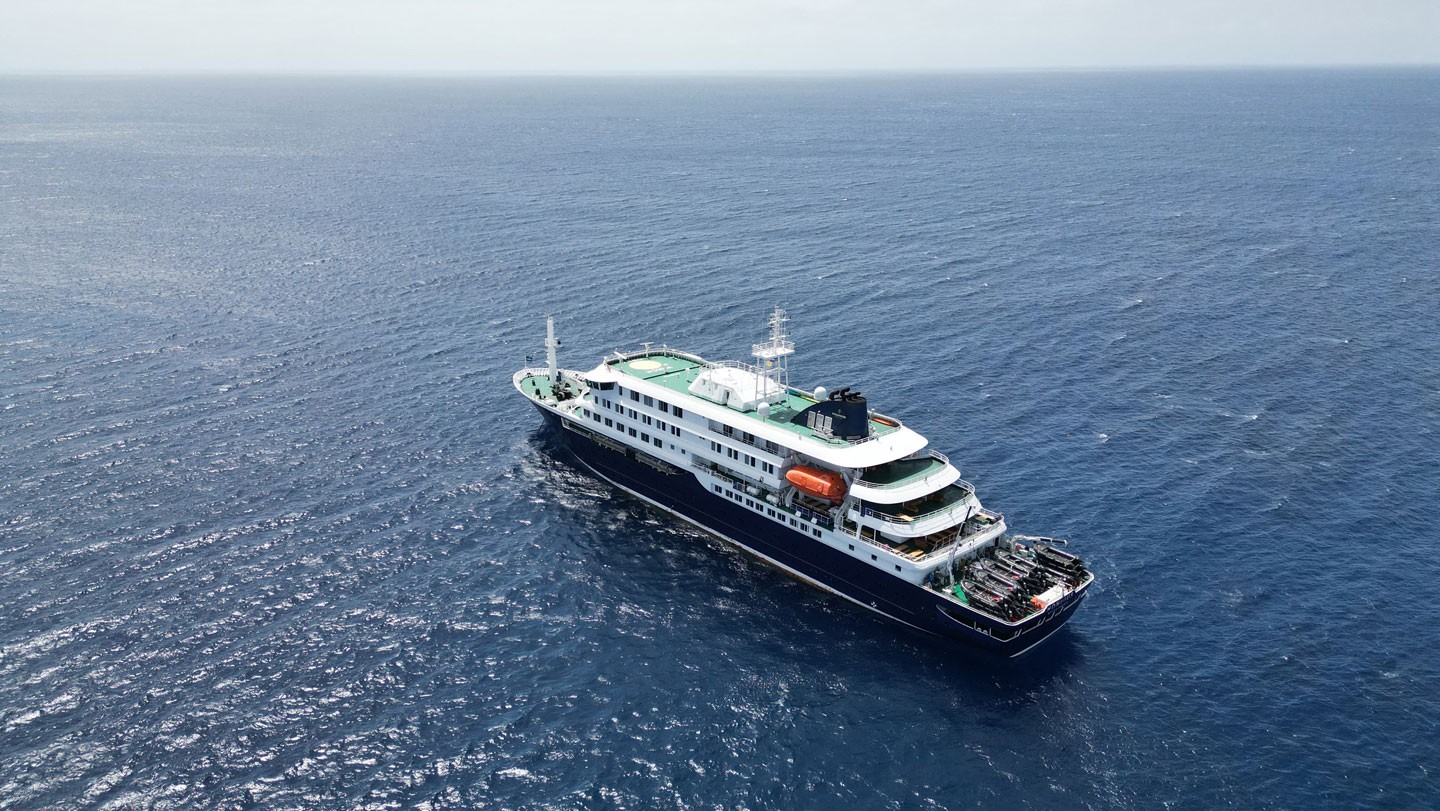
A rare and deadly outbreak of hantavirus has struck the cruise ship MV Hondius, currently moored off the coast of Cape Verde. Seven individuals—passengers and crew—have fallen ill, and three have died. This incident is notable not just for its severity, but because hantavirus is typically associated with rural, land-based environments, not confined maritime settings.
The World Health Organization (WHO) has confirmed hantavirus in two passengers, including a British citizen evacuated to South Africa and a Dutch woman who passed away on board. With four additional suspected cases, health officials are working urgently to contain the spread. The risk to the general public remains low, according to Maria Van Kerkhove, WHO’s director of Epidemic and Pandemic Preparedness and Prevention. However, the incident raises critical questions about how a virus usually transmitted by rodent droppings in deserts or forests managed to infect people at sea.
What Is Hantavirus?
Hantavirus is not a single pathogen but a family of more than 50 distinct viruses. Most of these viruses circulate silently among rodents, moles, and bats, rarely affecting humans. When humans do become infected, it is usually through accidental exposure to aerosolized urine, feces, or saliva from infected animals.
The strain suspected on the MV Hondius is likely the Andes virus, which is endemic to parts of South America, including Argentina, where the cruise began. Unlike many other hantaviruses, the Andes strain has the unique and rare ability to spread from person to person, although this requires extremely close contact.
“When these viruses make waves, they make big ones,” says Sabra Klein, a viral immunologist at Johns Hopkins. “It’s still very rare, but we do not have a vaccine, we do not have a cure.”
This lack of preventive or curative medical interventions is why hantavirus outbreaks, while infrequent, often result in high fatality rates and garner significant media attention.
How Does the Virus Infect Humans?
Understanding the transmission mechanics is key to grasping why this outbreak occurred. Hantaviruses are enveloped RNA viruses. Their outer shell is studded with glycoproteins that function like a molecular “Swiss army knife.”
- Inhalation: The primary route of infection is breathing in microscopic particles of dried rodent waste. On a ship, routine cleaning activities like vacuuming can inadvertently stir up these particles, aerosolizing the virus.
- Cellular Entry: Once inhaled, the virus’s glycoproteins latch onto specific proteins (PCDH1) on human cells.
- Fusion and Hijacking: Acidic conditions inside the cell trigger the virus to fuse with the cell membrane, releasing its genetic material. The virus then hijacks the cell’s machinery, turning it into a “zombie” factory that produces new viral copies.
Transmission: Person-to-Person or Environmental?
A major question in this outbreak is whether the virus spread from rodent to human on the ship, or from person to person.
- Environmental Exposure: Experts suspect that infected rats may have been on board, or that passengers were exposed to the virus while on land in Argentina before boarding. The incubation period for hantavirus is one to eight weeks, meaning symptoms could appear long after the initial exposure.
- Human-to-Human Spread: This is rare and limited primarily to the Andes virus. Evidence suggests transmission requires intimate contact, such as kissing or sexual activity, or prolonged close proximity in shared living spaces. Michelle Haby, an epidemiologist at the University of Sonora, notes that person-to-person spread is difficult to prove but likely occurred in this case among the Dutch couple and other close contacts.
“The fact that only a small number of people are sick suggests it is not easily airborne among humans,” Haby explains. “If it were highly contagious like the flu, we would see many more cases.”
Symptoms and Severity
Hantavirus infection can manifest in two primary ways, depending on the geographic origin of the virus:
- Hantavirus Pulmonary Syndrome (HPS): Common in the Americas (New World). It causes severe respiratory distress, fever, cough, and shortness of breath. The mortality rate for HPS can be as high as 35%.
- Hemorrhagic Fever with Renal Syndrome (HFRS): Common in Europe and Asia (Old World). It leads to kidney failure, internal bleeding, and low blood pressure, with fatality rates ranging from 1% to 12%.
Initial symptoms are often flu-like: fever, chills, headache, nausea, and stomach pain. As the disease progresses, it can cause severe lung or kidney damage. Older adults and those with pre-existing health conditions are at higher risk for severe outcomes.
How Did It Get on the Ship?
Two main scenarios are under investigation:
- Onboard Infestation: Infected rodents may have been present on the ship, contaminating the environment with excrement. Cleaning crews, unaware of the hazard, may have aerosolized the virus while vacuuming or cleaning cabins.
- Pre-boarding Exposure: Passengers may have contracted the virus during land excursions in Argentina before boarding. The WHO is operating under the assumption that the Dutch couple, who died, may have been infected during a wildlife tour prior to their cruise.
Current Response and Conclusion
The MV Hondius is scheduled to sail to Spain’s Canary Islands for thorough disinfection and further investigation. In the meantime, passengers and crew are isolating in their cabins and wearing masks to prevent potential airborne transmission.
This outbreak serves as a stark reminder that zoonotic diseases —those jumping from animals to humans—can emerge in unexpected places. While hantavirus remains rare, the lack of a vaccine and the potential for severe outcomes underscore the importance of rigorous sanitation protocols and rapid public health response in confined environments like cruise ships.