


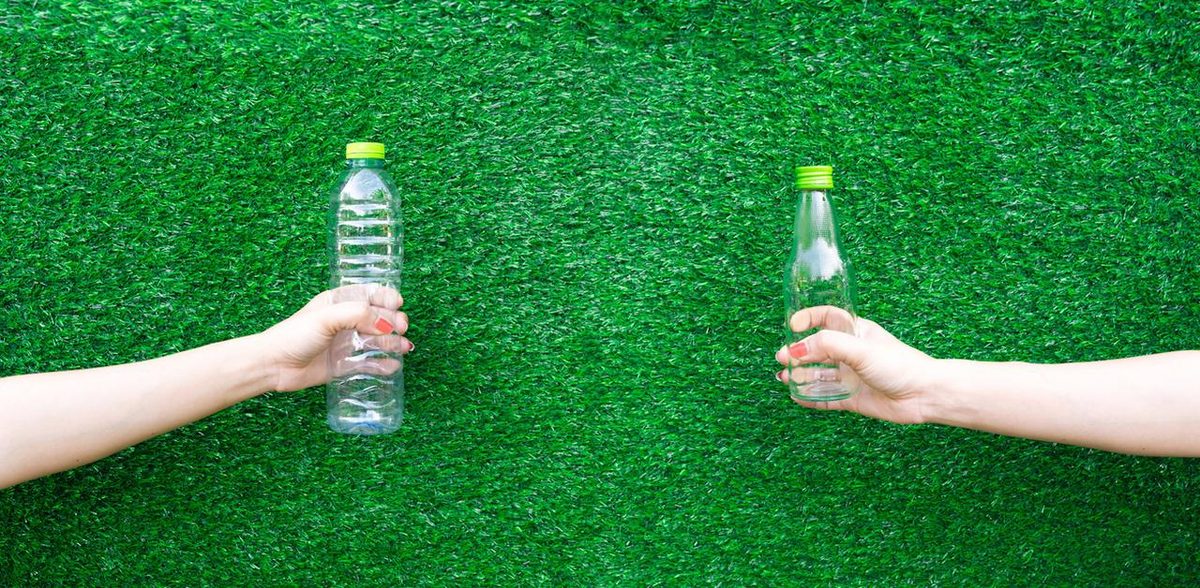
There are dangerous misconceptions in the field of sustainable development. Sounds logical, right? If it’s plant-based, it should break down harmlessly. It is a clean mental image. However, this is wrong.
Material is considered to be of biological origin if it is produced from living organisms or plants. Consider plants, algae, and bacteria. That’s the definition. The source is natural. However, this does not guarantee that the final product is biodegradable. These are two completely different concepts. Mixing these can lead to greenwashing, littering and a false sense of environmental virtue.
The real definition of biodegradable
Biodegradability is not a vague ideal. This is a strict chemical process that adheres to certain standards. In Europe, the reference point is the NF EN 13432 specification. This doesn’t mean throwing wrapping paper in the garden and hoping for the best.
In order for a material to be labeled as biodegradable, it must meet strict standards. Must be reduced to 90% within 6 months. This breakdown requires a certain combination of circumstances. Microorganisms (bacteria, algae, fungi) must be present. They need oxygen. They need moisture. They need warmth. Without these variables, the plastic sits there. Forever.
Most consumers throw away their “green” plastics in their home compost bins. This rarely works. Industrial composting facilities provide the sustainable high temperatures and controlled microbial environment needed to break down standard bioplastics. Keep a pile of them in your backyard and they will probably last for years.
Chemical identity crisis
Consider PET (polyethylene terephthalate) or PA (polyamide). You know these from water bottles and clothes. Traditionally, they are made from oil. Now, however, they can be manufactured using biomass such as sugar cane and corn.
When produced in this way, the material becomes a biological resource. It comes from the earth. But what about chemistry? It is identical to its fossil-fuel counterpart. The molecular structure is the same. The same goes for bonds. Therefore it is not biodegradable. It behaves just like traditional plastic. It persists in the environment. It continues to accumulate.
That’s why nuances are so important. “Made from plants” does not change the fact that the polymer chains are resistant to natural degradation.
Which plastics really break down?
If you are looking for materials that are biologically derived and biodegradable, you should focus on certain chemical families. PLA (polylactic acid) is a common example. The same applies to PHA (polyhydroxyalkanoate) and starch-based products. These materials are designed to degrade under appropriate conditions. They don’t just come from plants. They are designed to return to the earth.
But here’s a shocking statistic. According to Bioplastics Europe, less than half of the bioplastics produced worldwide in 2017 were actually biodegradable. Most of them are just bio-based versions of traditional plastics. Carbon emissions in the production phase will probably decrease. However, they do not offer a solution to the waste crisis at the end of their life.
This distinction is very important. It determines whether a product becomes compost
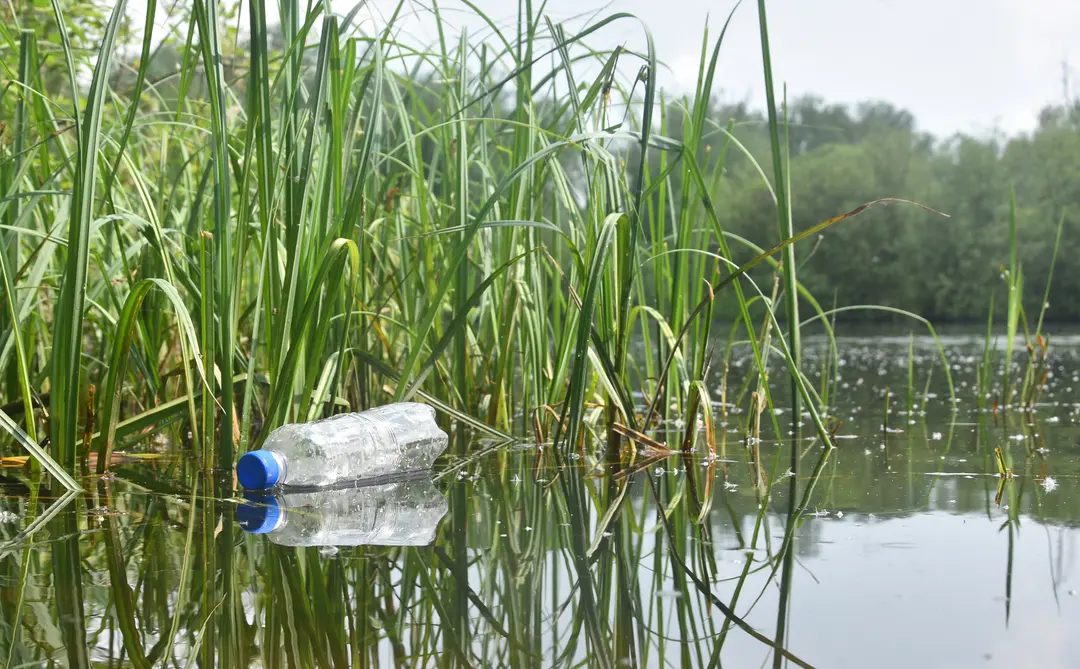

The word biodegradable sounds like a green license to dispose of plastic anywhere. This is not true. In reality, true biodegradation requires very specific high-intensity conditions. Typically, the temperature should be above 60 °C. This rarely happens in natural environments such as oceans, forests, or even typical soils. Without heat, the material does not break down. I just sit there.
There are also hidden problems. Even if the plastic breaks down, there are no hard and fast rules about the size of the resulting particles. Microplastic may remain. They persist. An important difference that most people don’t notice is: Just because a material is biodegradable doesn’t automatically mean it’s compostable. Compostability is a special certification limited to industrial composting facilities that maintain high temperatures. You can’t just toss a “biodegradable” bag into a pile in the backyard or leave it out in nature waiting for it to disappear.
A recycling paradox
The situation gets even worse when we look at the supply chain. Materials designed to break down easily are notoriously difficult to handle. They are sensitive. Light and moisture can accelerate degradation during storage, making it unstable and difficult to produce a consistent product.
To address this instability, manufacturers often blend these bio-based materials with other polymers. A common mixture is a combination of starch and bio-PET. In theory, this sounds innovative. In reality, it produces a chemical mixture that cannot be handled by conventional recycling streams. The recycling plant’s machines are designed for pure PET, HDPE or PP streams. When mixing, nominally biodegradable substances can enter the mixture and contaminate the batch. This reduces the quality of the recycled resin.
Where did they end up?
These mixed materials cannot be efficiently recycled and are often sent to landfills. Here, environmental impacts become quantifiable rather than theoretical. In landfills, organic substances decompose anaerobically (without oxygen). This process releases methane.
Methane is a powerful greenhouse gas. In the short term, it traps heat more efficiently than carbon dioxide. So while plastics may claim to be “earth-friendly” because they’re plant-based, their ultimate fate in landfills has a direct impact on climate change. The promise of biodegradation has been crushed under the weight of real-world infrastructure gaps. In most cases, the products we leave behind are neither recyclable nor truly compostable. It’s just a layer of garbage hidden behind a label that sounds better than it actually is.


