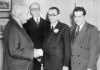
Duke Ellington didn’t just lead a band. He built an orchestra that lasted longer than most marriages. For over 50 years, he was the undisputed master of big-band jazz. While other bandleaders chased trends, Ellington was busy composing. Thousands of scores later, his legacy remained untouched.
His approach to music was different. He didn’t treat instruments like standardized tools. He treated them like voices. Each musician had a color. A tone. A specific way of breathing sound. This focus on sonic textures turned his ensemble into something greater than the sum of its parts.
Why Ellington’s Music Still Matters
People often ask how one man dominated jazz for half a century. It wasn’t luck. It was melody. Ellington had a gift for writing tunes that stuck in your head but demanded attention. He mastered rhythm. He understood form. But more importantly, he understood people. He wrote for the individuals in his band. He highlighted their quirks. Their strengths.
This method created a body of work that stands alone in music history. No other composer blended composition and improvisation with such precision. His scores weren’t just charts. They were blueprints for emotion.
The Longevity of a Legacy
Most bands break up. They fade. Ellington’s band evolved. It survived wars. It survived changing tastes. It survived the shift from swing to bebop. Through it all, his music adapted. It stayed relevant. Not by chasing the new, but by expanding the old.
Today, when we talk about greatest jazz composer, Ellington is the name that comes up first. Not because he was the loudest. But because he was the most complete. His music still plays. Still moves. Still surprises.
So, when you hear a trumpet swell or a piano roll in, ask yourself: why does it feel so alive? That’s Ellington. He didn’t just write notes. He wrote time. And time, it turns out, was on his side.