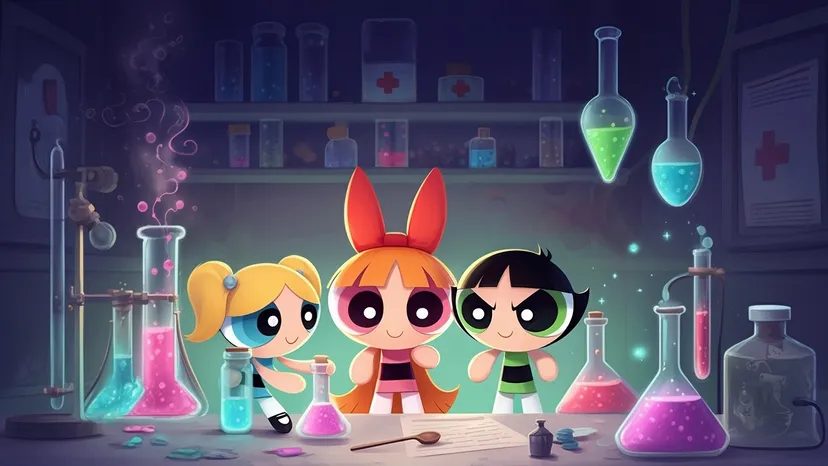
The 1990s didn’t just give us grunge flannel; they gave us the golden age of Saturday morning cartoons. This was the decade where animation stopped being just a babysitter and started becoming a cultural heavyweight. We’re talking about colorful worlds, high-stakes action, and stories that actually managed to hook parents watching alongside their kids. Sure, the merchandising was relentless, but the shows themselves? They were genuine pop culture touchstones. And nowhere did this blend of gritty adventure and toy-driven spectacle hit harder than with the turtles.
The Rise of the Turtles
When Teenage Mutant Ninja Turtles launched its animated series in 1987, it was already a phenomenon, but the 1990s saw it cement its legacy. The show took the dark, underground comic roots and amplified them into a vibrant, action-packed Saturday morning staple. It wasn’t just about martial arts and pizza; it was about brotherhood, finding your place, and fighting off bizarre villains that ranged from robotic monsters to interdimensional warlords.
The 90s iteration leaned heavily into the spectacle. The animation style was bold, the fights were choreographed with a seriousness that belied the cartoonish premise, and the voice cast brought distinct personalities to the four brothers. Leonardo’s leadership, Donatello’s tech-savvy humor, Michelangelo’s laid-back charm, and Raphael’s rebellious edge created a dynamic that felt almost like a sitcom wrapped in a superhero origin story.
More Than Just Toys
Let’s be honest: the turtle brand was a merchandise juggernaut. If you owned a 90s bedroom, you probably had a turtle action figure or two. But the show’s longevity in the cultural consciousness isn’t just due to plastic sales. It’s because the narrative stakes felt real. The Turtles weren’t just fighting for glory; they were fighting for survival and for their place in a world that often viewed them as monsters. That underdog story resonated. It tapped into a universal feeling of being an outsider looking in, packaged in a way that was digestible for kids but layered enough for adults to appreciate.
The villains were equally memorable. Shredder remained the archetypal evil mastermind, but the 90s introduced layers of complexity with characters like Krang and various Foot Clan lieutenants. The show didn’t shy away from darker themes, even within the constraints of a children’s program. It explored loyalty, sacrifice, and the thin line between hero and villain.
The Legacy
Today, when we look back at Teenage Mutant Ninja Turtles as one of the definitive 90s cartoons, we’re not just remembering the toys. We’re remembering the feeling of rushing home from school to catch the latest episode. We’re remembering the shared experience of a generation that grew up watching these turtles save the world, one slice of pizza at a time. The show defined an era of animation that prioritized action and character dynamics over moralizing, setting a template that many subsequent series would try to follow.
And yet, the turtle franchise has a strange way of coming back around. Every few years, it gets rebooted, reimagined, or revisited. But the original 90s
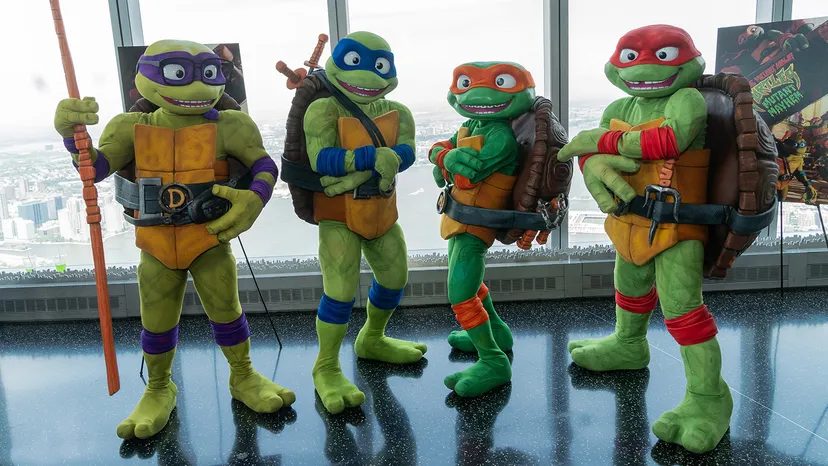
Teenage Mutant Ninja Turtles: More Than Just Pizza
The Teenage Mutant Ninja Turtles didn’t just join the animated landscape; they crashed into it with enough force to crack the pavement. By weaving together brutal martial arts choreography, absurdist humor, and a surprisingly tender core of brotherhood, the show became the definitive animated hit of the 1990s.
It wasn’t enough to just save the day. The turtles had to do it while cracking jokes and eating pizza. This alchemy of high-stakes action and low-stakes silliness created a cultural phenomenon that transcended the screen. Fans didn’t just watch the show; they lived in it. The merchandise empire that followed was staggering, ranging from action figures that could actually kick to video games that expanded the lore. Even the live-action films, often criticized by purists, proved that the brand had enough gravitational pull to sustain itself across multiple mediums.
Batman: The Animated Series – Gothic Noir Meets Saturday Morning
2. ‘Batman: The Animated Series’
If the Turtles were the chaotic id of 90s animation, Batman: The Animated Series was its sophisticated superego. Premiering in 1992, the show didn’t just retell familiar comic book plots; it reinvented the Dark Knight for a new era. The visual style, heavily inspired by German Expressionism and Art Deco, gave Gotham City a tangible, shadowy weight that had never been seen on television before.
This wasn’t a cartoon where everything resolved in twenty-two minutes with a happy hug. The tone was mature, often melancholic, and steeped in noir aesthetics. The voice acting was top-tier, with Kevin Conroy defining the dual personality of Bruce Wayne and Batman for a generation. The show respected its audience, tackling complex psychological themes and moral ambiguities that were rare for children’s programming at the time. It proved that animation could be art, not just content.
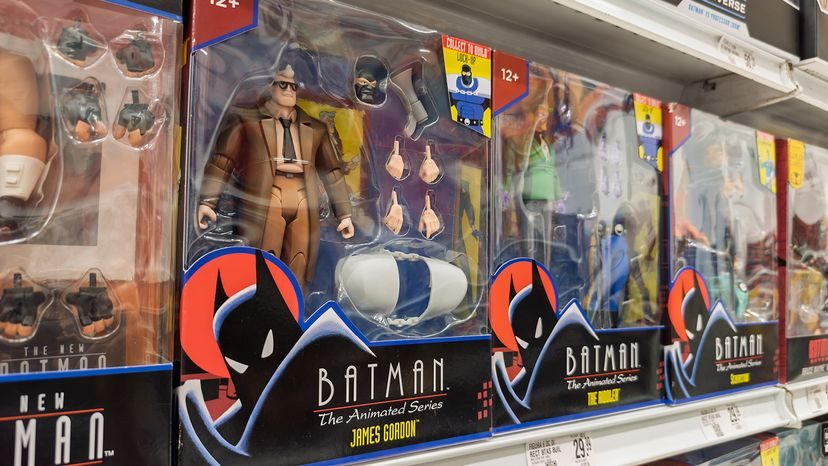
The ceiling for animated storytelling in the superhero genre wasn’t just raised; it was shattered. Warner Bros. delivered a series that still sits comfortably at the top of the pile, largely because it refused to talk down to its audience. Kevin Conroy’s Batman was a growling, gravelly force of nature, while Mark Hamill’s Joker provided a chaotic counterpoint that felt genuinely terrifying rather than cartoonish.
It wasn’t just about the voices. The show adopted a film noir aesthetic, drenching the city in shadows and moral ambiguity. Sharp storytelling took center stage over cheap laughs or repetitive gags. That specific combination of dark tones and narrative weight set a benchmark that many have tried to copy, yet few have matched in the decades since. It didn’t just influence superhero cartoons; it redefined what the genre could be.
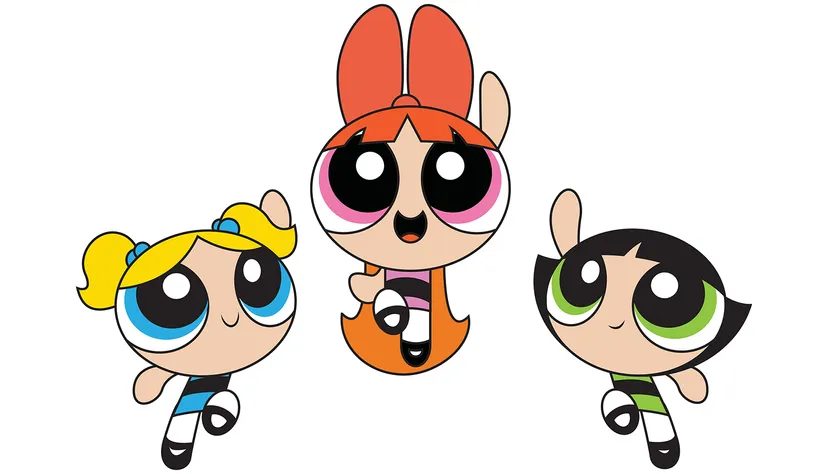
3. ‘The Powerpuff Girls’
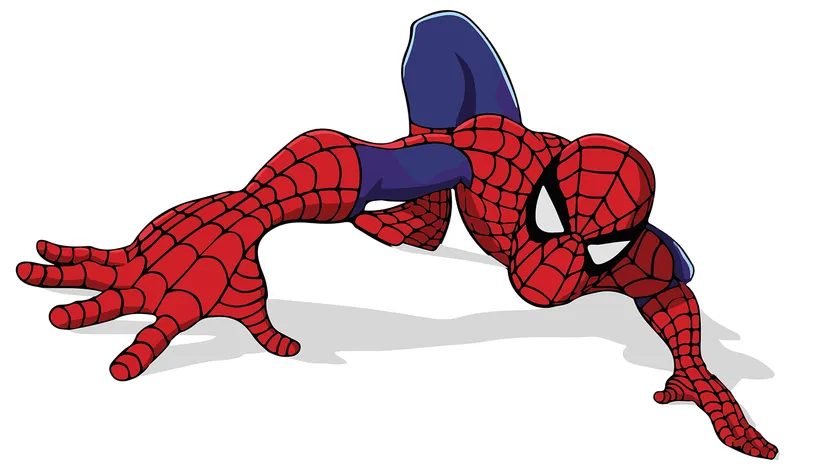
The Web-Slinger Who Changed the Game
Before the MCU dominated the box office, there was just Peter Parker swinging through a stylized, noir-tinged New York City on Spider-Man: The Animated Series. It wasn’t just another superhero show. It was a soap opera with web-shooters. The series, which premiered in 1994, managed to do something nearly impossible: it respected the intelligence of its audience while keeping the action visceral.
The show’s greatest strength wasn’t the CGI backgrounds or the cool new suits. It was the continuity. For the first time, Spider-Man wasn’t jumping from episode to episode. He was living a life. His relationships with Mary Jane, Aunt May, and the Daily Bugle felt real. The writing didn’t shy away from the loneliness of the mask.
Why the 90s Spider-Man Still Matters
You might wonder why this specific iteration is still discussed decades later. The answer lies in its tone. It balanced street-level crime with cosmic threats like the Green Goblin and Carnage without losing its heart. The animation style, with its sharp angles and dramatic lighting, gave every punch weight.
The voice acting set a new standard. Christopher Daniel Barnes brought a perfect mix of awkwardness and heroism to Peter Parker. Meanwhile, J. Mark Donnelly and others handled the villains with genuine menace. The show didn’t treat its villains as cartoonish obstacles. They were psychological mirrors for Peter’s own struggles.
The series proved that superhero stories could be serialized, complex, and emotionally resonant.
This approach influenced how comic book adaptations would be made for the next twenty years. It showed that you could have a cliffhanger that actually mattered. You could have character arcs that spanned seasons. Most importantly, it established the multiverse concept long before it became a cinematic trope. When Spider-Man met the Spider-Man from another dimension, it felt earned, not like a marketing stunt.
The show also tackled serious issues. Racism, poverty, and the ethics of vigilantism were woven into the plot. It didn’t preach. It just showed the consequences of choices. Peter Parker made mistakes. He lost. He got back up. That cycle of failure and redemption became the blueprint for modern superhero narratives.
Fans of the original comic books appreciated the depth. New viewers were hooked by the drama. The show managed to bridge that gap. It made you care about Uncle Ben’s death not just as a backstory, but as a recurring emotional wound. Every time Peter failed to save someone, it hurt. That emotional stakes raised the bar for what animation could achieve.
The legacy of this series isn’t just in its ratings. It’s in the way we now expect our superheroes to have flaws, relationships, and consequences. It turned Spider-Man from a simple crime-fighter into a complex, tragic hero. And that complexity is what keeps fans coming back, even when the web-slinging gets repetitive.
The show ended with a bang, leaving Peter Parker in a precarious position that teased a darker future. That ending, more than any episode, signaled that the genre was evolving. It was no longer just about good vs. evil. It was about who you are when nobody is watching.
Before X-Men: The Animated Series premiered in 1992, the broader Marvel universe was still finding its footing on television. Spider-Man had already swung into living rooms, bringing a certain chaotic energy to Saturday mornings. But Fox’s new entry was different. It wasn’t just a cartoon; it was a cultural event that managed to balance gritty, adult themes with the colorful, action-heavy storytelling that kids loved. It introduced a whole new generation to the concept of mutants, weaving classic comic book arcs into a format that felt both urgent and accessible.
Why the X-Men TV Show Became a Cultural Phenomenon
The success of the show wasn’t accidental. It tapped into a specific zeitgeist. In the early 90s, television was still largely sanitized for children, but X-Men walked a fine line. It dealt with prejudice, identity, and belonging—themes that resonated far beyond the target demographic. The animation style was sleek, the voice acting was star-studded, and the music? Iconic.
But what really set it apart was its fidelity to the source material while remaining a standalone experience. You didn’t need to read the comics to understand who Professor X was or why Magneto was a villain (or was he?). The show managed to simplify complex ideological conflicts without dumbing them down. This approach helped it achieve a level of popularity that surprised even its creators. It wasn’t just a cartoon; it was a gateway drug for comic book fandom.
Key Story Arcs That Defined the Series
The series is best remembered for its ambitious multi-part episodes. These weren’t filler; they were epic tales that played out over several weeks.
- The Phoenix Saga: Perhaps the most famous arc. It centered on Jean Grey’s transformation into the Dark Phoenix. The emotional weight of this story gave the series a maturity that few other cartoons of the era could match. The finale, where Jean sacrifices herself to save the universe, remains a powerful moment in animation history.
- The Days of Future Past: A dystopian vision of a world where mutants are hunted to near extinction. This arc introduced audiences to the concept of alternate futures and the high stakes of mutant-human relations. It was dark, tense, and deeply influential.
- The Dark Phoenix Saga: Building on the earlier Phoenix storyline, this arc explored the corruption of power and the tragedy of Jean Grey. It provided a emotional anchor for the series, showing that even heroes are vulnerable to their own inner demons.
These arcs didn’t just entertain; they educated. Kids learned about narrative structure, character development, and the consequences of action. The show proved that animated series could handle complex, serialized storytelling.
The Impact on the Wider Marvel Universe
The success of X-Men: The Animated Series had a ripple effect across the Marvel TV landscape. It paved the way for other shows like Spider-Man: The Animated Series and X-Men: Evolution. It also helped establish the Marvel Animated Universe as a viable brand. Studios realized that animated series could be more than just toy commercials; they could be legitimate storytelling platforms.
Furthermore, the show’s success contributed to the eventual live-action film boom. It kept the characters in the public eye during a time when comic book movies were still a risky proposition.
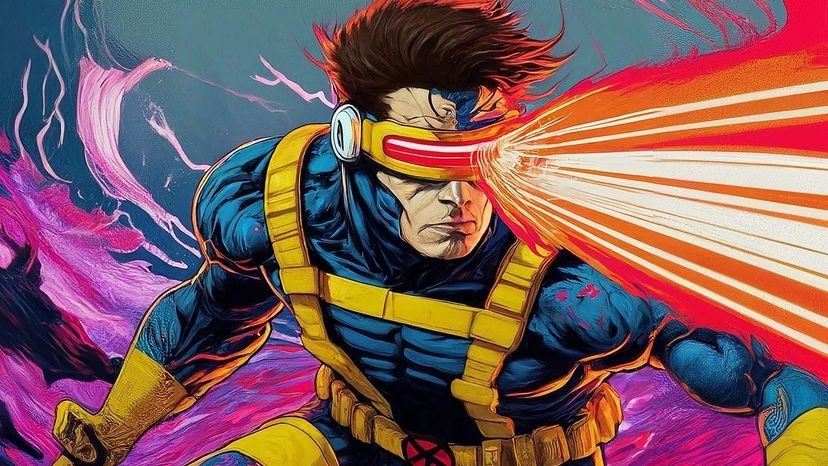
The golden age of superhero animation didn’t just start; it exploded onto screens with a specific kind of kinetic energy. Before the live-action cinematic universe dominated the box office, there was a show that proved comic book adaptations could be more than just mindless violence or simple morality plays. It arrived on Fox Kids, capturing the attention of a generation that had never seen mutants quite like this before.
This wasn’t just a cartoon. It was a cultural touchstone that set a precedent for how source material could be respected while being adapted for a younger audience. The show’s success lay in its ability to balance high-octane action with genuine emotional stakes. It wasn’t enough to just have characters punch each other in colorful spandex. The narrative demanded more. It required themes of justice and acceptance to resonate with kids who were already grappling with their own identities and societal pressures.
A Gold Standard for Adaptation
Why did this particular series stand out? The answer lies in its faithfulness to the core spirit of Marvel Comics, even while streamlining the lore for television. The show introduced a large, diverse cast of mutants, each grappling with the fear of being different. This wasn’t subtle allegory. It was front and center. The X-Men weren’t just fighting villains; they were fighting prejudice.
The animation style, while limited by the budgets of the 90s, utilized dynamic camera angles and intense battle sequences that felt larger than life. Every fight had weight. Every loss had consequence. This approach elevated the material, turning it into something that appealed to older teens and adults who tuned in for the nostalgia or the deeper thematic layers. It became the benchmark against which all subsequent comic book animations would be measured.
Impact on Pop Culture
The influence of this series extends far beyond its original run. It proved that superhero narratives could explore complex social issues without losing their entertainment value. The characters of Cyclops, Wolverine, Storm, and Jean Grey became household names, their likenesses appearing on lunchboxes, t-shirts, and trading cards. But the real legacy is in the storytelling.
It showed creators that audiences were ready for nuanced characters. It paved the way for a richer, more mature approach to genre fiction in animation. Without this show’s success, the landscape of animated superhero content might look very different today. It wasn’t just about saving the world. It was about defining what it means to belong in one.
The show ran for several seasons, building a dedicated fanbase that still debates episode rankings and character arcs online. Its impact is visible in every modern adaptation that prioritizes character development over spectacle. It remains a testament to the power of good writing and compelling design. And for many, it was their first real introduction to the idea that heroes could be flawed.
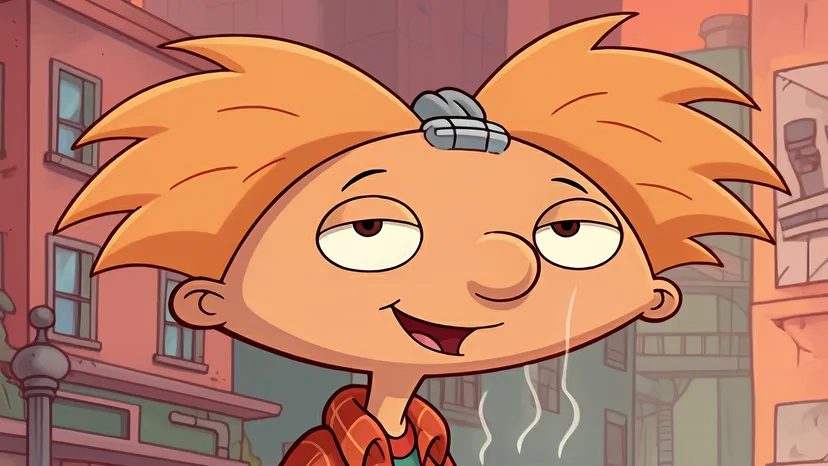
Arnold Shortman didn’t just navigate the city; he survived it. With his signature football-shaped head and a heart that seemed too big for his small frame, he tackled the complexities of middle school, family drama, and city life with a quiet resilience that defined the show. This wasn’t just a cartoon about a kid; it was a serialized character study wrapped in the guise of a Saturday morning romp. The writers understood that a ten-year-old’s problems—losing a friend, dealing with a step-parent, or just trying to get home safe through the jungle of concrete—were real and weighty.
The series stood out because it refused to talk down to its audience. It explored themes of gentrification, mental health, and class disparity without being preachy. It was one of the most popular Nicktoons of its era for a reason. The storytelling was sharp, the voice acting was top-tier, and the lessons about family and friends landed with genuine emotional resonance. It wasn’t just background noise for breakfast cereal; it was a cultural touchstone that taught a generation how to be empathetic in a chaotic world.
The Science of Sisterhood
Speaking of cultural touchstones, let’s pivot to the chaotic energy of the late 90s.
7. ‘Dexter’s Laboratory’
If Hey Arnold! was the calm center of the urban storm, Dexter’s Laboratory was the explosion. Created by Craig McCracken, this series introduced us to Dexter, a boy genius whose ego was only matched by his frustration with the one force he couldn’t scientifically control: his older sister, Dee Dee.
The show was a masterclass in contrast. Dexter’s world was sterile, logical, and filled with high-tech gadgets designed to solve problems that didn’t exist yet. Dee Dee’s world was messy, chaotic, and governed by dance parties and invisible monsters. The humor came from the collision of these two opposing forces. Dexter would spend episodes building elaborate machines to achieve a simple goal, only for Dee Dee to accidentally (or intentionally) sabotage it with a slapstick routine that broke physics entirely.
It wasn’t just slapstick, though. The show tackled the isolation of genius and the frustration of being misunderstood. Dexter’s lab was his sanctuary, a place where he could be in control, but it was also his prison. The series questioned whether intelligence without social connection was worth anything. It was a sharp, fast-paced commentary on sibling rivalry that felt surprisingly accurate for anyone who had ever tried to study while their sibling danced on the furniture.
The animation style shifted dramatically between the two siblings’ perspectives. Dexter’s scenes were often more detailed and grounded in a pseudo-scientific reality, while Dee Dee’s sequences were fluid, exaggerated, and cartoonishly violent. This visual storytelling reinforced the narrative conflict without a single line of dialogue. It was a bold artistic choice that kept viewers engaged and added layers to the comedy.
Dexter’s obsession with perfection made him relatable to kids who felt pressure to excel, while Dee Dee’s carefree attitude offered a counterpoint that was equally compelling. The show didn’t judge either sibling; it just let them clash. And in that clash, fans found their own reflections. Who are you? The controlled genius or the chaotic force of nature? The answer, as with most things
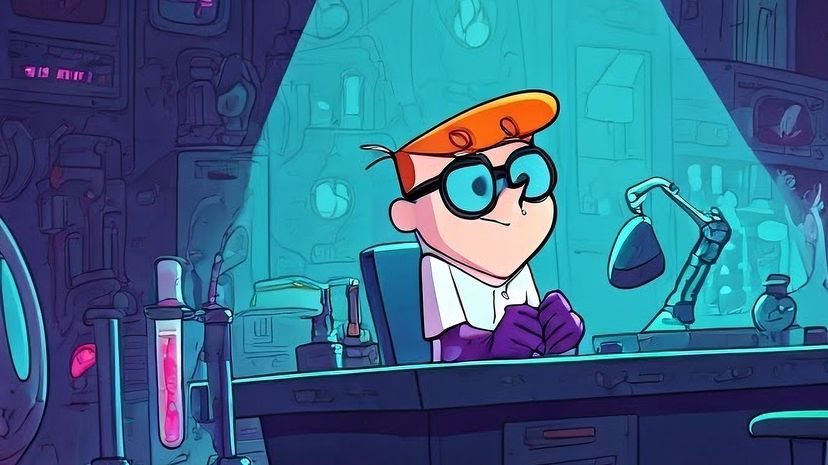
It was educational television that didn’t feel like a lecture. A Cartoon Network staple, though technically originating on PBS, “The Magic School Bus” turned field trips into high-stakes adventures.
Ms. Frizzle. The bus. The chaos.
She drove her class through the digestive tract of a human, into the solar system, and back again. No seatbelts. No fear. Just pure, unadulterated science disguised as fun.
Kids in the 90s ate this up. Why? Because learning felt like an escape. The show’s vibrant animation and zany tone made complex concepts stick. You remember the water cycle because Ms. Frizzle turned it into a rollercoaster ride.
How it changed classroom views
It wasn’t just a cartoon. It was a teaching tool wrapped in a superhero cape.
- Hands-on learning: Every episode featured a real scientific principle.
- Character-driven: Ms. Frizzle’s eccentricity made her a role model for curiosity.
- Visual storytelling: Animators used color and motion to explain abstract ideas like cells or weather patterns.
The show proved that education could be entertaining without dumbing things down. It challenged the idea that learning had to be boring.
Why it remains relevant
Decades later, the show’s impact is still visible. It sparked a generation’s interest in STEM fields. Teachers still use its clips to explain difficult topics. The humor aged well, too. It wasn’t preachy. It was just weird and wonderful.
In a landscape of flashy, fast-paced cartoons, “The Magic School Bus” stood out for its substance. It didn’t just entertain. It inspired.
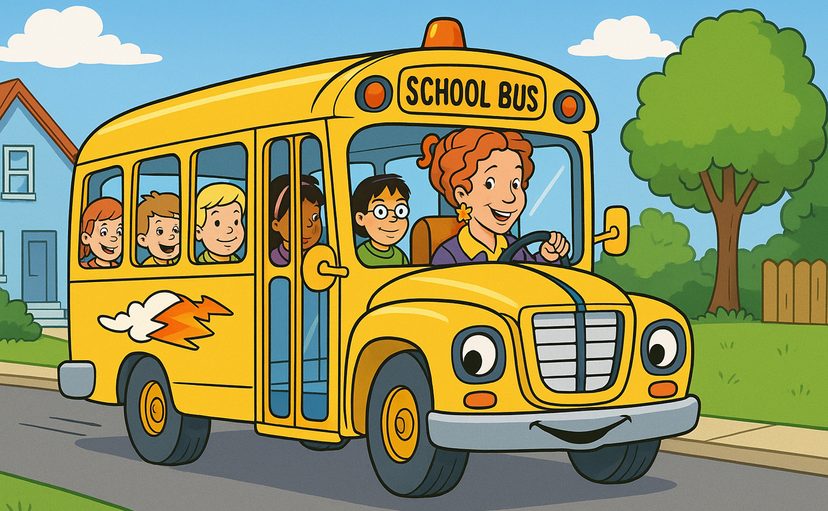
Courage the Cowardly Dog
If The Magic School Bus taught kids that education was an adventure, Courage the Cowardly Dog taught them that reality is a nightmare.
It aired on Cartoon Network in the early 2000s. It was weird. It was hilarious. It was also deeply unsettling for anyone with a sensitive nervous system.
The premise was simple. A pink, cowardly dog named Courage lives with his owners, Muriel and Eustace Bagge, in the middle of nowheresville. The address? Kamikaze, Kansas. The setting itself is a character. Endless wheat fields. A house isolated by fog. And a threat level that defies physics.
Courage is tiny. He is terrified of everything. But he is also the only one who can save his owners from the horrors that come knocking.
And those horrors were not normal monsters. We are talking about:
* King Ramses the Cat King.
* The mean red ghost known as Le Quack.
* A possessed hairbrush.
* A giant eye that falls from the sky.
The show was educational in a twisted way. It taught children about fear. About courage. About how even the smallest among us can face the impossible. But mostly, it taught us that our pets might be hiding a secret life of heroism while we sleep.
The animation style shifted wildly from episode to episode. One moment it was cute. The next, it was grotesque. The music was jazzy, then silent, then terrifying.
“I’m scared, I’m scared, I’m scared!”
Courage’s catchphrase became an anthem for every child who felt overwhelmed by the world. But he never quit. He never gave up. He never stopped being brave, even when his legs shook.
The show ran for four seasons. It ended in 2002. But the nightmares it created lasted longer.
Parents complained. Kids loved it. The internet later turned it into a meme. The absurdity of a dog fighting a giant eyeball is now legendary. But back then, it was just television.
It was a unique blend of comedy and horror. A show that made you laugh and cry in the same minute. A show that proved children’s programming could be dark, funny, and unforgettable all at once.
It remains a cult classic. Not because it was safe. But because it was real in its own weird way. And maybe that’s why we remember it.
The end? Not really. The episodes loop in our memories. The scream stays.
Courage is still out there. Somewhere. In the wheat fields. Waiting.
Courage the Cowardly Dog had already cleared the air with its unsettling blend of domestic warmth and existential dread. But just when you thought the late-’90s cartoon landscape had settled into a comfortable rhythm of superhero antics and talking animals, Disney decided to drop a bombshell in the form of a brooding, trench coat-wearing mallard.
Enter Darkwing Duck.
The Hero We Didn’t Know We Needed
St. Canard wasn’t ready for him.
This masked vigilante didn’t just fight crime; he fought it with a side of slapstick. The show operated as a loving, albeit slightly unhinged, parody of the superhero genre. Specifically, it leaned heavily into the brooding, Batman-esque archetype. But where Bruce Wayne had Alfred, Darkwing had Launchpad McQuack, a pilot whose navigation skills were, to put it mildly, a work in progress.
The core appeal lay in the duality. By day, Drake Mallard was a mild-mannered duck. By night, he was Darkwing Duck. He balanced high-stakes crime-fighting with the mundane, often chaotic responsibilities of fatherhood. It was a mix that felt fresh. Superhero shows were common. But a superhero who was also a dad, dealing with household issues alongside intergalactic threats? That was new.
More Than Just A Mask
Critics and fans alike noted the show’s visual identity. The bright colors popped off the screen. The action sequences were tight. The villains were memorable.
Megan Mudd? No. Megavolt? Yes.
These characters weren’t just background noise. They had quirks. They had motivations. And they often broke the fourth wall, acknowledging the absurdity of their own animated existence. This meta-humor resonated with a generation of kids who were growing up with television that didn’t talk down to them.
Why It Didn’t Reach The Same Status As Its Peers
Despite the quality, Darkwing Duck never quite achieved the monolithic cultural footprint of Rugrats or SpongeBob SquarePants. It wasn’t due to a lack of effort. The animation was solid. The voice acting, particularly Bill Farmer as the titular duck, was iconic.
The show simply lacked the merchandise machine behind its larger competitors. It didn’t have the same level of brand integration. It remained a cult favorite. A show you remembered. A show you quoted. But one that didn’t dominate the playground conversations in quite the same way.
“Darkwing Duck balanced crime-fighting with his role as a father.”
That balance was the key. It was a show about being a hero. Not just in the cape-and-mask sense. But in the day-to-day sense. The kind of heroism that involves saving the city, then coming home to help your kid with homework. Or, in Launchpad’s case, trying to figure out how to park a helicopter without causing a property damage claim.
The episodes were packed. Wacky. Sometimes dark. Always entertaining. It was a reminder that cartoons could be funny. They could be action-packed. They could also be surprisingly human. Even if the humans in question were ducks wearing masks.
We created this article in conjunction with AI technology, then made sure it was fact-checked and edited by a