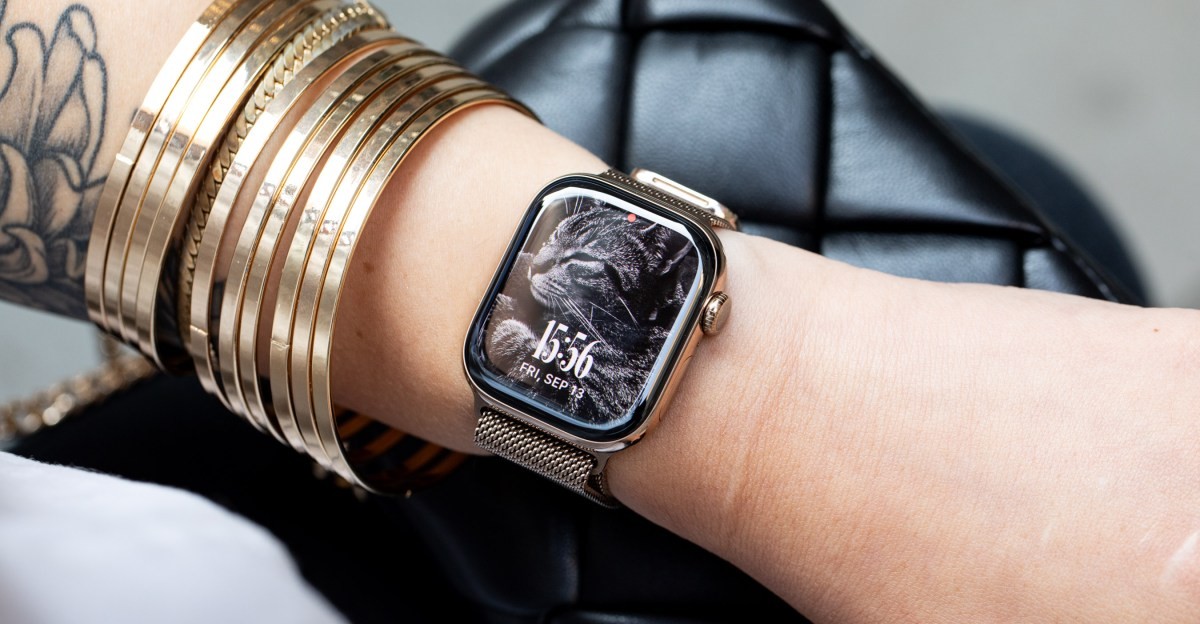
While the iPhone remains Apple’s most iconic product, a different device may ultimately define Tim Cook’s legacy: the Apple Watch. As Cook prepares to hand over the reins of the company, it is becoming increasingly clear that his most significant contribution to the world isn’t just consumer electronics, but the democratization of personal health monitoring.
From Fashion Accessory to Life-Saving Tool
The Apple Watch did not have an easy start. Initially positioned as a high-end fashion statement, the device struggled to find its identity in the post-Steve Jobs era. However, under Cook’s leadership, Apple pivoted from mere notifications to clinical-grade health monitoring.
The shift was transformative. With the introduction of FDA-cleared features, the Apple Watch moved beyond being a gadget to becoming a legitimate medical tool. Today, the device can:
– Detect atrial fibrillation (irregular heart rhythms).
– Monitor for hypertension and sleep apnea.
– Trigger emergency services following car accidents or detected falls.
This evolution has turned Apple’s marketing into something more profound than typical tech ads. Each year, the company highlights “Dear Tim” letters—testimonials from users whose lives were saved by the device—underscoring a shift from “tech enthusiast” to “essential health companion.”
A New Frontier for Clinical Research
Cook’s vision extends beyond the individual user; he has fundamentally changed how medical science is conducted. By integrating large-scale data collection into consumer hardware, Apple has bridged the gap between personal wellness and global research.
The Apple Heart Study, which engaged 400,000 participants, set a new precedent for how clinical data can be gathered. This capability proved vital during the COVID-19 pandemic, where research indicated that wearable sensors could potentially detect early signs of infection up to a week before clinical symptoms appeared.
This trend has sparked a broader movement in the industry:
– Mainstream adoption: Companies like Oura have introduced features like “Symptom Radar” to track health changes.
– Political influence: The rise of “wellness” movements and political figures advocating for personal health autonomy—such as Robert F. Kennedy Jr.—is built upon the technological blueprint Apple established.
The Personal Connection: Cook’s “Fitness Nut” Philosophy
It is difficult to separate Apple’s health trajectory from Tim Cook himself. Unlike many tech executives, Cook is an outspoken fitness enthusiast. His personal discipline—characterized by 4:00 AM workouts and a strict routine—is reflected in Apple’s product ecosystem.
From the Apple Watch Ultra’s rugged navigation features to the Fitness Plus service and mindfulness breathing reminders, the company’s software reflects Cook’s personal belief in exercise as a pillar of quality of life. This alignment between a CEO’s personal values and a company’s product roadmap has given Apple’s health initiatives a unique authenticity.
The Future: What Lies Ahead for Apple Health?
As John Ternus prepares to take over, the direction of Apple’s health tech remains ambitious but uncertain. Ternus, a former collegiate swimmer, has already focused on hardware durability and repairability, but the next frontier is even more complex.
The industry is currently in a race toward noninvasive glucose monitoring —a “holy grail” of health tech that would revolutionize life for diabetics. Apple is also reportedly looking to expand health features into other categories, such as the AirPods Pro, which already offer hearing tests and heart-rate monitoring capabilities.
While competitors like Oura and Whoop are aggressively pushing the boundaries of wearable trends, they are operating in an ecosystem that Apple helped build.
Whether it is through glucose monitors or earbud-based illness alerts, the foundation of the next 30 years of medical technology was laid during the Cook era.
Conclusion: Tim Cook’s tenure will likely be remembered not just for his operational mastery, but for turning the wearable device into a vital tool for preventative medicine and large-scale clinical research.