As the lunar cycle progresses, the Moon is currently transitioning through its waxing stages. On Thursday, April 23, 2026, the Moon is in the Waxing Crescent phase, with approximately 41% of its surface illuminated.
This phase marks a period of increasing brightness. As the Moon moves closer to its First Quarter position, it will appear larger and more luminous each night until it reaches its peak as a Full Moon.
Observing the Lunar Surface
Depending on the equipment you use, the Moon offers different levels of detail for stargazers tonight:
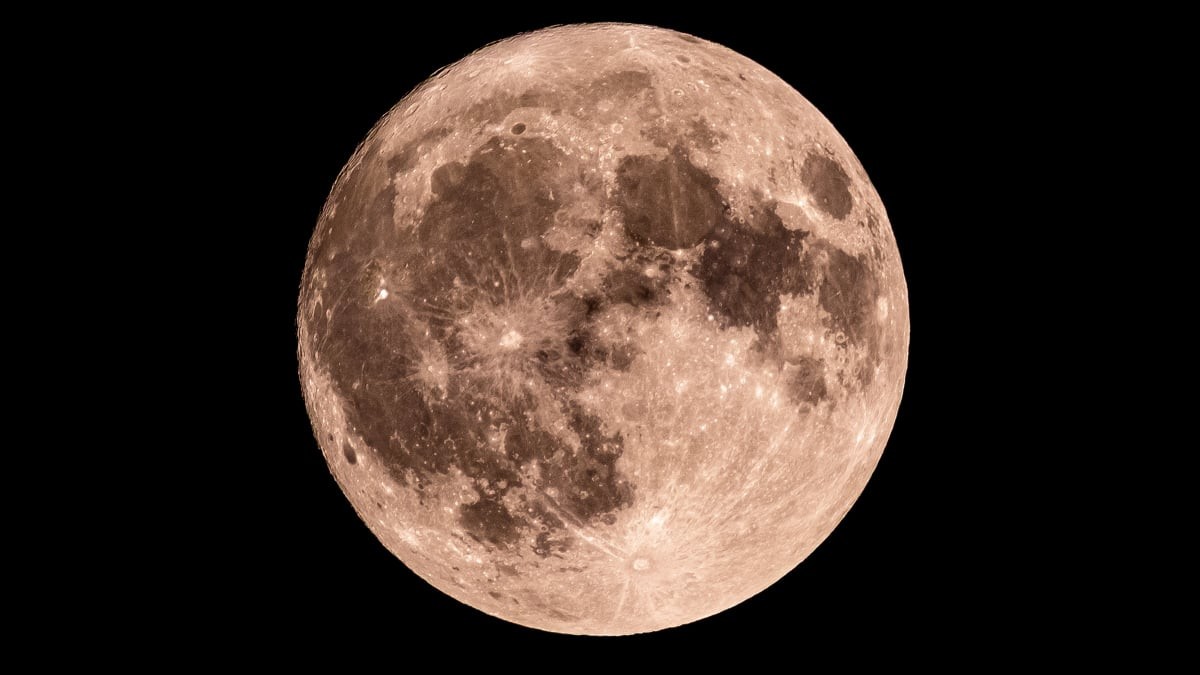
- Naked Eye: You can easily spot the lunar “seas” (maria), specifically the Mare Serenitatis, Mare Tranquillitatis, and Mare Fecunditatis.
- Binoculars: With a little more magnification, the Mare Nectaris becomes visible, along with the Endymion and Posidonius craters located toward the upper half of the lunar disk.
- Telescope: For those with advanced equipment, the view expands significantly. You can observe the historic Apollo 11 and 17 landing sites, as well as the Rupes Altai mountain range.
Looking Ahead: The Next Full Moon
The Moon is currently on a trajectory toward its next peak illumination. The next Full Moon is expected on May 1, marking the beginning of a month that will feature two full moons.
Understanding the Lunar Cycle
The changing appearance of the Moon is not due to the Moon itself changing shape, but rather how much of its sunlit side is visible from Earth. According to NASA, the Moon completes a full orbit around our planet roughly every 29.5 days.
During this orbit, we experience eight distinct phases:
- New Moon: The Moon is positioned between Earth and the Sun, making its illuminated side invisible to us.
- Waxing Crescent: A small sliver of light appears on the right side (in the Northern Hemisphere).
- First Quarter: The Moon appears as a half-circle, with the right side illuminated.
- Waxing Gibbous: More than half of the Moon is lit, but it has not yet reached full illumination.
- Full Moon: The entire face of the Moon is visible and fully illuminated.
- Waning Gibbous: The illumination begins to decrease from the right side.
- Third Quarter: The Moon appears as a half-circle again, but the left side is now illuminated.
- Waning Crescent: A final thin sliver of light remains on the left before the cycle resets.
Why this matters: Understanding these phases helps astronomers and casual observers alike predict visibility windows for celestial events and provides a fundamental rhythm to our terrestrial calendar and tides.
Summary: Tonight, the Moon is a 41% illuminated Waxing Crescent, offering varying levels of detail for observers depending on their tools, as it builds toward a Full Moon on May 1.