There are many theories that suggest our climate may be cooling. The solar cycle is lagging, the Milankovitch cycles are shifted, and there are strange disturbances in the circulation of the ocean and atmosphere. Some of these models even suggest a local or even global cooling effect.
The Gulf Stream is the big river everyone is talking about. The hypothesis is simple, but scary. When this current decreases or stops completely, it cools down.
But let’s play devil’s advocate. Let’s say the planet actually cools. It doesn’t matter if the cause is astronomical, volcanic in nature, or even a weird local side effect of current warming. What happens next?
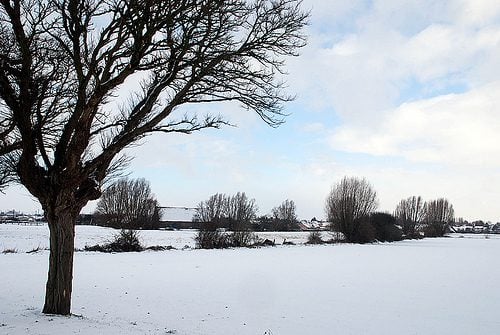
First, the water cycle changes. At low temperatures, precipitation falls as snow. Instead of raining back into the sea, it remains as ice on the continents.
Result? Glaciers are growing. Ice caps expand. And the sea level is falling.
This change is not just a number on the thermometer. It rewrites the physical world. So a cooling climate would change geography, transport and life itself.
The Geography of Lower Seas
As the seas recede, the map changes. Dramatically.
During the last ice age, about 10,000 years ago, sea levels were significantly lower. The coasts receded. The islands, which are now isolated, were connected to the mainland by dry land.
If the sea level dropped significantly, modern coastlines would look completely different. You would go where you had to sail. The geography of coastal areas would be unrecognizable to anyone who grew up near water.
Transport Networks in the Ice
It’s not just dry land. It’s about movement.
New land bridges open up. Old sea routes are disappearing. The logistics of world trade would change suddenly and shockingly.
Then there’s the ice. As the polar ice pack expands, it just doesn’t stay still. It moves. It encroaches. Ports would become prisoners of the ice. Some shipping lanes would be completely closed and frozen due to the advancing cold.
The efficiency of global transport based on predictable waterways would reach its limits. Literally.
Flora, fauna and migration to the south
Life hates the cold. As the temperature drops and the permafrost moves further south, plants and animals follow the warmth.
They move towards the equator. They move to lower altitudes.
Temperate zones as we know them today would turn into polar landscapes. Think of the implications for agriculture. The world’s most productive farmlands would become unpleasant. The crop belts would shift and move closer to the equator.
Arable land would shrink. What we can grow would diminish. Food security isn’t just about yield. It’s all about location. And in a cooling world, location makes all the difference.
Is this really happening?
Despite all the theories, general cooling of the planet is unlikely to happen in the near future. The current warming trend is too strong.
But that doesn’t mean we’re safe from localized cooling. The chaos of our current climate could lead to severe cold, even as global averages rise.
The earth has a long memory. The interglacial period we are living in now is temporary. At some point it will end. A new freezing cycle begins.
We’re just waiting for the next turn of the wheel. Until then, we must contend with the uncertainty of a warming world that may suddenly and paradoxically bring us closer to an ice age again.