


The 90s weren’t just a decade for fashion or grunge guitars. They were the golden age of 90s R&B, a time when smooth vocals collided with streetwise swagger. It was a specific sonic blend: the emotional weight of soul music married to the rhythmic punch of hip-hop. This fusion didn’t just sit quietly in the background. It took over the airwaves. It owned the dance floor.
Producers like Jimmy Jam and Terry Lewis were instrumental in this shift. They helped artists blur the hard lines between traditional R&B and the rising tide of hip-hop soul. In this era, if your debut album was a hit, the follow-up had to prove you weren’t a one-hit wonder. The stakes were high. The output was relentless. We got mood-setting bangers. We got heart-wrenching slow jams. It was a time when the music felt heavy, real, and undeniably cool.
The Blueprint of Hip-Hop Soul
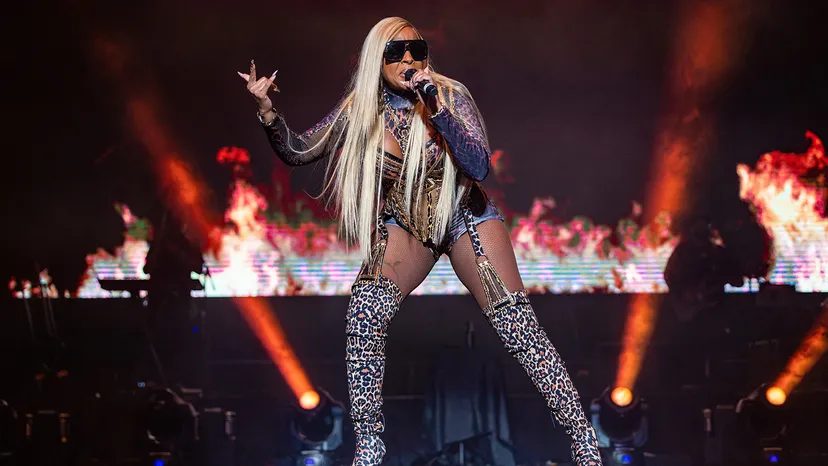
You can’t talk about this evolution without pointing at Mary J. Blige. She didn’t just sing; she recalibrated the entire industry standard. Her breakout track, “Real Love,” served as the master blueprint for hip-hop soul. Blige layered her soulful, gospel-tinged vocals over a classic hip-hop breakbeat—specifically Audio Two’s “Top Billin.” The result was undeniable.
Her debut album, What’s the 411?, brought that raw emotion to the forefront. It wasn’t polished to a high shine. It was gritty. The beats were hard, and the feelings were deeper. This combination crowned her the queen of the sound.
Teddy Riley had already defined the early days of this crossover with new jack swing, but hip-hop soul smoothed out the edges. It was less frantic, more grounded. You could think of it as soul music wearing Timberlands. It kept the groove but added weight.
Music Videos Made the Star
The audio was only half the battle. In the 90s, the visual component was non-negotiable. Music videos didn’t just promote songs; they built icons. The visual storytelling matched the sonic innovation, creating a complete package that fans couldn’t ignore.
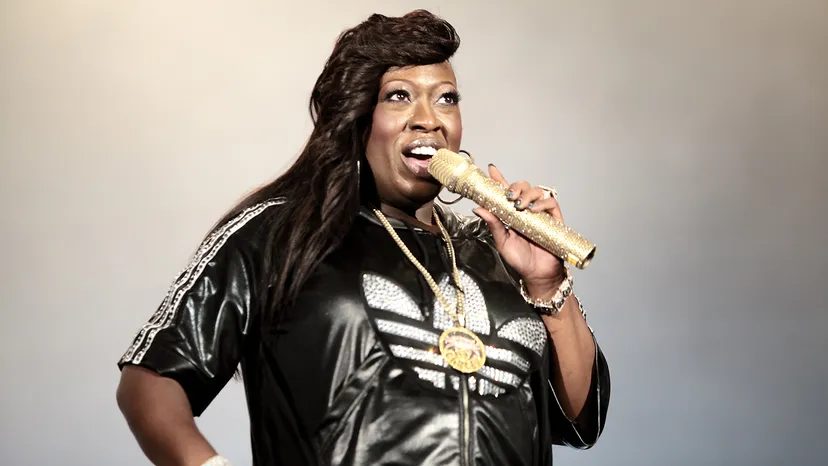


The 90s didn’t just bring us radio edits. The official music video has become as important as the song itself.
H-Town’s “Knockin’ Da Boots” is more than just a slow jam. It had a late-night feel to it, with silky lighting and silky shirts accompanying the shots of the song.
Missy Elliott flips the script with a video that’s like a sci-fi short. En Vogue, Destiny’s Child, Janet Jackson turned her hit single into a mini-movie. These videos sell image, identity and style.
Beyond the Hits: Album Cuts That Hit Hard
排行トレンドの冠は重要ですが、ディアンジェロの《ブラウン シュガー》や《マクスウェルズ アーバン ハング スイート》などのhelped define the neo soul movement. These were invitations into smoky rooms where lyrics mattered as much as grooves.
ローテーションを続けるアーティストもいるが、マーク・モリソンと彼の「リターン・オブ・ザ・マック」のようにearned one hit wonder status. しかし、これらの曲にも、この時代の特徴であるsweet harmonies and swing.
R&B’s Tight Knit with Pop and Hip-Hop
R&B does not exist in isolation. Mariah Carey blurs the lines by remix-ready vocals. Boyz II Men crossed over with chart-busting ballads. Lauryn Hill’s “Ex-Factor” is hit as hard as any rap song, and the “Exhale” and “Boomerang” soundtracks are packed with names like Whitney Houston and Toni Braxton.
Producers like Timbaland and Babyface created stylish R&B soundscapes that defined the genre, often collaborating with the era’s top singers to create smash hits. This synergy was so powerful that bands like Dru Hill and Jagged Edge also did well on the pop charts and on the streets.
30 Years Later: Why It Still Matters
三十年过去了,这种视觉语言仍然决定着我们消费音乐的方式。 您不再只是hear a hit。 你看吧。 这个时代告诉我们,风格是歌曲的一部分。
看看今天的艺术家。 他们仍然依靠高概念视觉效果来推销身份。 这不仅仅是旋律的问题。 这是关于旋律所生活的世界。90 年代比其他人更早地理解了这一点。 他们为我们提供了现代明星的蓝图。 我们仍在关注它。
Decades later, the sound overlap is still strong. When I hear “Candy Rain” or “Freak Me” I’m instantly moved. It’s the special atmosphere of a humid summer night and a packed underground party with heart-pounding bass. Jodeci doesn’t just sing. They occupy the space between raw emotions and refined work. Especially K-C’s voice has the calm gravity of a Sunday morning after a chaotic Saturday night. I was certainly tired, but at the same time I felt a deep sense of relief.
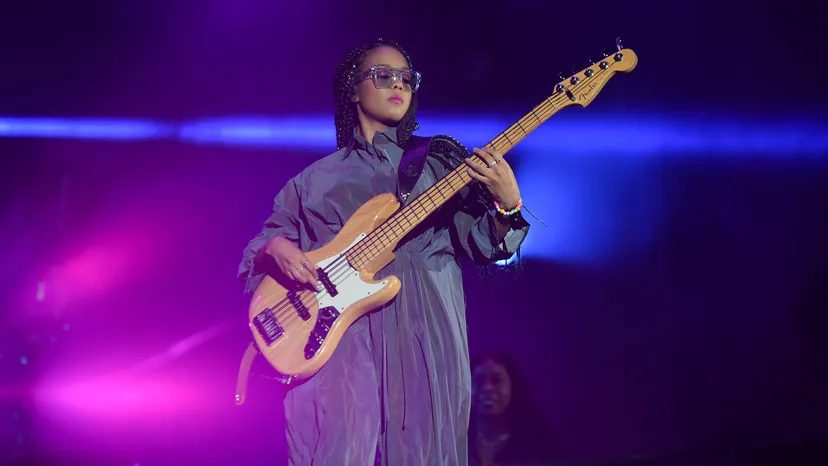
This sound fingerprint remained even after a decade. It went underground and then resurfaced in the works of today’s soldiers. Artists like H.E.R. and Brent Faiyaz agree. They come from the same roots and absorb the melancholy and rhythm that Joe Desi perfected. The 90s brought us more than just nostalgia. It sets the mood and gives us a template for dancefloor-friendly music that doesn’t sacrifice heart for passion. There is still a lot of depth. The soul is still there, just in different clothes.
*This article was researched using artificial intelligence and fact-checked by HowStuffWorks editors. *