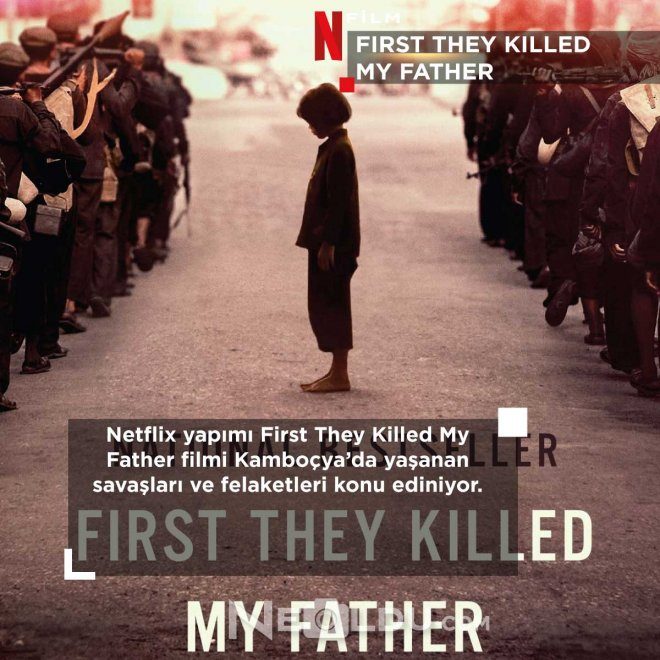
Netflix kütüphanesindeki yerini alan First They Killed My Father filmi, gerçek bir hayatta kalma hikayesini perdeye taşıyor. Loung Ung’in otobiyografisinden uyarlanan bu 2017 yapımı dram ve savaş filmi, izleyicilere acı bir gerçeği hatırlatıyor. Başrolünde Angelina Jolie’nin yönetmen koltuğunda oturduğu bu yapıt, sadece bir film değil, tarihî bir tanıklık sunuyor.
Kamboçya’daki Kızıl Kmerler Dönemi ve Gerçek Olaylar
Filmin evi olan Kamboçya, 1970’lerin sonlarında kızıl kmerler rejiminin acımasızlığıyla sarsılmıştı. Bu dönemde milyonlarca insan hayatını kaybetti veya ailesinden koparıldı. First They Killed My Father, bu karanlık dönemin bir çocuğun gözünden anlatılışıdır. Loung Ung’un çocukluk anıları, filmde canlandırıldığı gibi şiddetli ve trajediktir.
Angelina Jolie, Boyun Eğmez (Unbroken) filminden sonra tekrar gerçek bir hayatta kalma öyküsünü seçti. Ancak bu sefer kamera arkasında değil, önünde değil, yönetmen olarak yer aldı. Bu karar, filmin tınısını derinleştirdi. Savaşın sıradan insanlara etkisini daha içten bir dille aktarmayı hedefledi.
Oyuncu Kadrosu ve Karakter Analizi
Filmde ana karakteri küçük Loung Ung, Chanda Sor’un canlandırıyor. Küçük yaşına rağmen taşıdığı korku ve direniş, izleyicide büyük bir etki bırakıyor. Ana karakterin ailesi, rejimin baskısı altında parçalanmaya başlar. Her biri farklı bir kaderle yüzleşirken, Loung hayatta kalmak için yollar aramak zorundadır.
“Savaş sadece askerleri değil, çocukları da savaşçı yapar. Bu film, o dönüşümün acımasız yüzünü gösteriyor.”
Oyuncuların performansı, senaryonun gerçekçiliğiyle örtüşüyor. Özellikle küçük oyuncuların doğal ve inandırıcı duruşları, filmin belgesel tadını güçlendiriyor. Bu detaylar, First They Killed My Father film incelemesi yapanlar tarafından sıkça vurgulanıyor.
Neden İzlenmeli? Tarihî ve Duygusal Ağırlık
Bu film, sadece eğlence amaçlı değil, aynı zamanda bir tarihî belge niteliği taşıyor. Kamboçya’daki savaşların nasıl başladığı, nasıl devam ettiği ve sonunun ne olduğu hakkında detaylı bir pencere açıyor. Netflix’in abonelerine sunduğu bu yapım, savaşın çocuklara etkisini anlamak isteyenler için kritik bir kaynak.
Loung Ung’un hikayesi, evrensel bir anne-baba-çocuk üçgenini de içeriyor

The Source Material Behind the Story
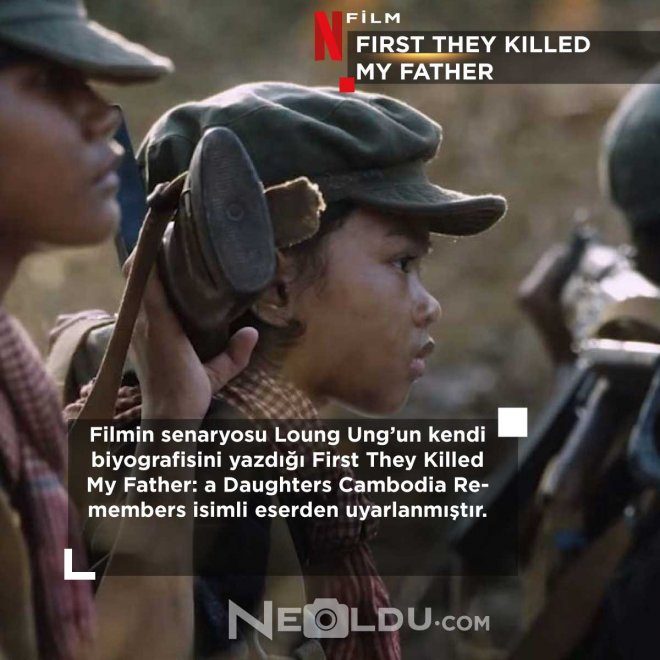
The screenplay didn’t emerge from thin air. It was pulled directly from the pages of First They Killed My Father: A Daughter of Cambodia Remembers. This isn’t a work of pure fiction. It’s a biography written by Loung Ung. She is both an author and a human rights advocate. Her book details her own life. It chronicles the harrowing years she spent in Cambodia under the Khmer Rouge regime. The film adaptation stays true to her personal memories. It relies on her firsthand account of the trauma and survival.
How ‘The Killing Fields’ Captured Cambodia’s Tragedy
The screen fills with the aftermath. Not just statistics, but thousands of dead bodies and families erased from existence. It is a visceral reminder of the sheer scale of the genocide that unfolded in Cambodia.
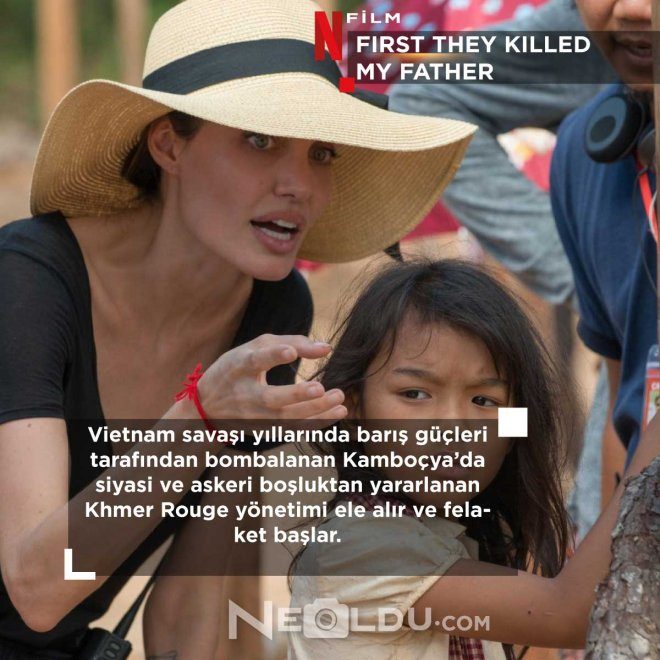
The timeline snaps back to the years of the Vietnam War. The region was not immune to the fallout. Cambodian soil was rained on by bombs dropped by peacekeeping forces. The intent was to disrupt supply lines, but the result was chaos.
This destruction created a vacuum. A political and military void opened up where order used to be. Into that gap stepped the Khmer Rouge. They seized power. And with their takeover, the real disaster began. The film does not shy away from showing this descent. It forces the viewer to witness the collapse of a nation from the inside out.
The Child Who Survived the Killing Fields
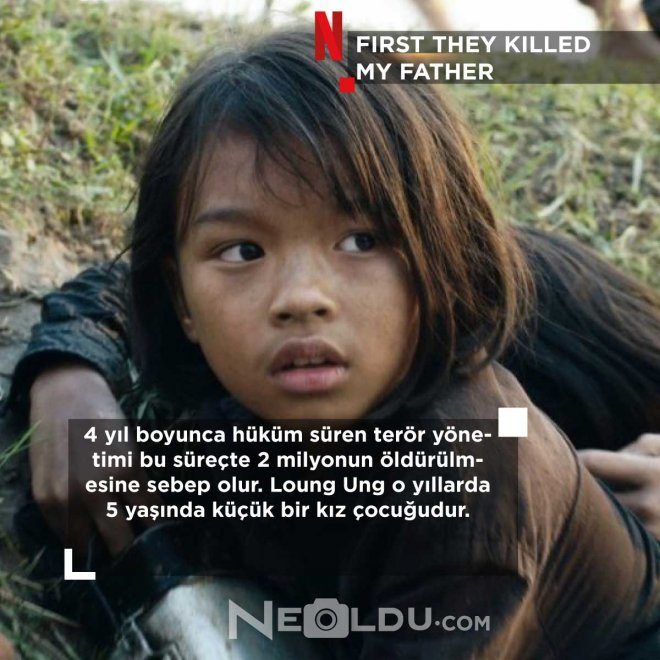
For four years, a brutal regime held Cambodia in its grip. The death toll reached two million people.
Loung Ung was five years old.
She wasn’t a political prisoner. Her father was a civil servant. Middle class. Respectable. In a country tearing itself apart, that status meant nothing. War doesn’t check bank accounts or job titles before it strikes.
Her childhood was erased by the conflict.
One moment, there was a normal life. A roof. A family. The next, everything collapsed. Loung wasn’t fighting with a gun. She was fighting to stay alive while the world around her burned.
“The Khmer Rouge didn’t just take power. They took everything.”
How do you explain that to a five-year-old? You don’t. You just survive.
Loung’s story isn’t just about statistics. It’s about the girl who grew up in the shadow of those numbers.
Search Queries Addressed:
* Primary Keyword: Loung Ung early life Khmer Rouge
* Secondary Queries:
* How many people died under Khmer Rouge regime?
* Loung Ung age during Khmer Rouge takeover
* What was Loung Ung’s family background?
* Impact of war on middle-class Cambodian children
The horror didn’t end with the fall of Phnom Penh. It followed them home.
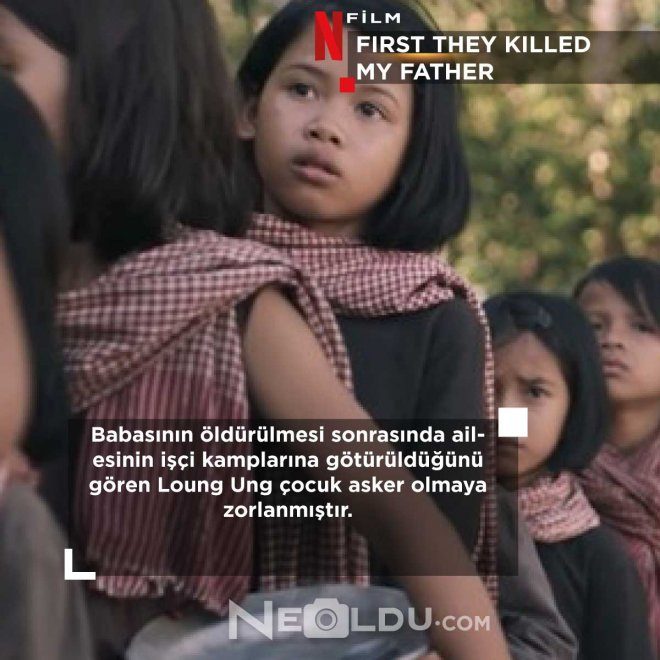
Loung Ung watched her father get executed. Then she watched her mother and siblings get dragged into the labor camps. It was a brutal education in survival.
She was eight years old.
The Khmer Rouge didn’t care about age. They cared about utility. And in the killing fields, even a child could be useful.
The Weight of Being a Child Soldier
Ung was forced into a uniform she didn’t ask for. The Khmer Rouge child soldiers weren’t just propaganda. They were real kids. Broken kids.
- The Reality: Kids were handed guns instead of toys.
- The Training: Obedience over empathy.
- The Result: A generation scarred before puberty.
Ung’s story isn’t just about trauma. It’s about the moment a child realizes the adults in charge are monsters. She had to learn to hate to survive.
On Screen: When Lilies Fall
Netflix’s When Lilies Fall brings this history back to the surface. It’s not a dry documentary. It’s a visceral drama.
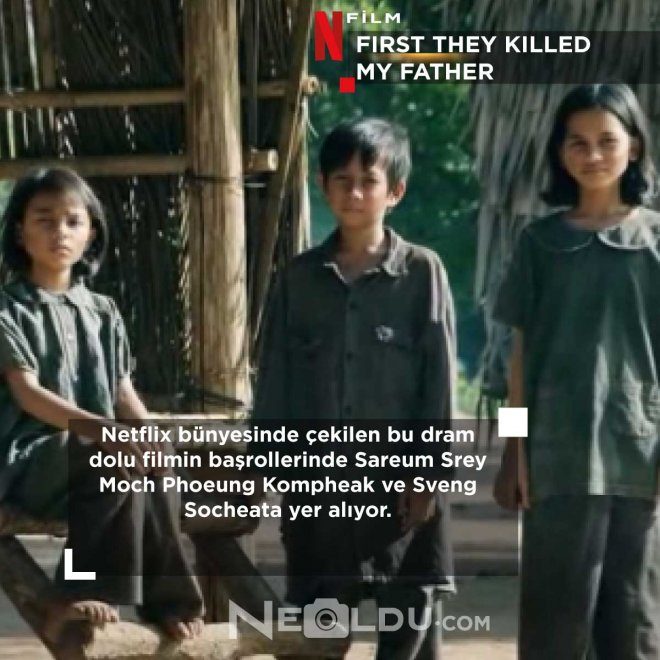
Starring Sareum Srey Moch Phoeung Kompheak and Sveng Socheata, the film doesn’t shy away from the ugliness. The actors don’t just play victims. They play survivors who had to become something else to stay alive.
The performances are raw. You can see the fear in their eyes. It’s not acted. It feels witnessed.
Why This Story Still Matters
We talk about war as if it’s always adults fighting adults. But look at Cambodia.
The Khmer Rouge regime decimated the country’s future. They took the teachers. The doctors. And the children.
Ung’s memoir, First They Killed My Father, is the source material. The film adaptation tries to capture the intimate terror of growing up in a state-sanctioned nightmare.
It’s hard to watch.
But it’s necessary.
Because forgetting is easy. Remembering is work.
The cameras don’t lie. They just show what we’d rather not see.
Running for just under two hours and sixteen minutes, First They Killed My Father asks for patience. The pacing drags in places. It stumbles. But an IMDb score of 7.2 suggests that, on balance, most viewers found it worth the watch.
Is it a masterpiece? Probably not. It doesn’t quite hit the visceral, harrowing heights of The Killing Fields, the 1984 classic that also chronicles the Cambodian conflict. Yet, to dismiss it as merely “good” would be a mistake. It succeeds where it counts.
The film doesn’t try to out-dramatize history. It just shows it.
Comparing Cambodian Cinema: A Place in the Sun
When you stack it against other films about the Khmer Rouge era, the distinction becomes clear. The Killing Fields remains the gold standard for Western audiences. It’s sharper. It’s more immediate. First They Killed My Father, directed by Angelina Jolie, takes a different route. It’s more intimate. More granular.
It focuses on the childhood experience of Loung, one of the six siblings based on the memoir by Loung Ung. This isn’t a war movie in the traditional sense. It’s a survival story. And survival is often boring. It’s repetitive. It’s hungry.
The film captures that boredom. The tedium of waiting to die.
The Verdict on a Slow-Paced Biopic
Why does it still hold up? Because the performance of the child actors anchors the entire narrative. They aren’t acting. They’re enduring.
If you’re looking for a fast-paced thriller about the Cambodian civil war, look elsewhere. But if you want to understand the human cost through the eyes of a child who had to grow up too fast, this film delivers. It’s not perfect. It’s not The Killing Fields. But it’s necessary.
And in a genre often defined by spectacle, necessity is its own kind of brilliance.
Why Netflix’s First They Killed My Father Feels More Like a History Lesson Than a Thriller
It’s a tricky tightrope to walk. You have Angelina Jolie, a name that usually guarantees box office pull, directing a film about the Khmer Rouge. The premise is haunting: a young girl’s eyes witnessing the collapse of society. But does the execution match the weight of the subject? Viewer reactions are split. Some see it as a vital historical document. Others see a pacing problem that drags on far too long.
The Ideological Divide
One group of viewers looks past the film’s flaws to focus on its ideological message. For them, First They Killed My Father (released on Netflix) serves as a stark illustration of what happens when communist ideology meets the brutal reality of power.
“It’s a film that shows us how perfect communist ideology is in practice… You see how the people united to create Greater Cambodia.”
These viewers argue that the film exposes the inevitable results of blind obedience and “ignorance.” They interpret the suffering not just as tragedy, but as the logical outcome of a society that rejected enlightenment in favor of “obscurantism.” It’s a cold, almost detached reading of the film’s events. But for most audiences, the historical weight doesn’t excuse the narrative stalling.
Pacing Issues and Narrative Confusion
The most common complaint isn’t about the subject matter. It’s about the rhythm. Several viewers noted that the film simply doesn’t move. Once the opening moments pass, the story hits a wall.
“The film doesn’t flow. It’s very static and therefore boring. The plot, the structure… it’s flat. I think it’s an ordinary film.”
This “static” nature leaves the audience waiting for a payoff that never quite arrives in the middle section. The film struggles to find its footing. You spend the first act trying to understand the context, only for the movie to shift into a slow, uneventful progression. It leaves viewers with questions hanging in the air.
One viewer pointed out that the historical background wasn’t explained well enough at the start.
“While you try to understand the film’s starting point, the development phase begins and it stagnates. I think the viewer needed a bit more information at the beginning.”
Without that initial hook, the emotional impact gets buried under a pile of “ordinary” scenes.
Angelina Jolie’s Direction: Surprises and Stereotypes
Jolie’s role as director is a major part of the conversation. Some people admit they wouldn’t have watched it otherwise.
“It was better than I expected. If I had read that Angelina Jolie was the director before watching, I probably wouldn’t have watched it. You shouldn’t judge with prejudice.”
This comment highlights a common bias. People expect a celebrity-directed war film to be either overly dramatic or shallow. Instead, Jolie took a different route. She stripped away the unnecessary details. She focused on the intimacy of a child’s perspective.
That choice pays off in one specific area: the casting. The young girl playing Loung is widely praised.
“Openly speaking, I didn’t expect such a successful film from Angelina Jolie… The little girl’s acting is magnificent.”
By filtering the horror through a child’s eyes, the film avoids becoming a dry textbook. It forces the audience to feel the confusion and fear without the benefit of adult understanding. It’s a smart