The dead don’t always rest face up.
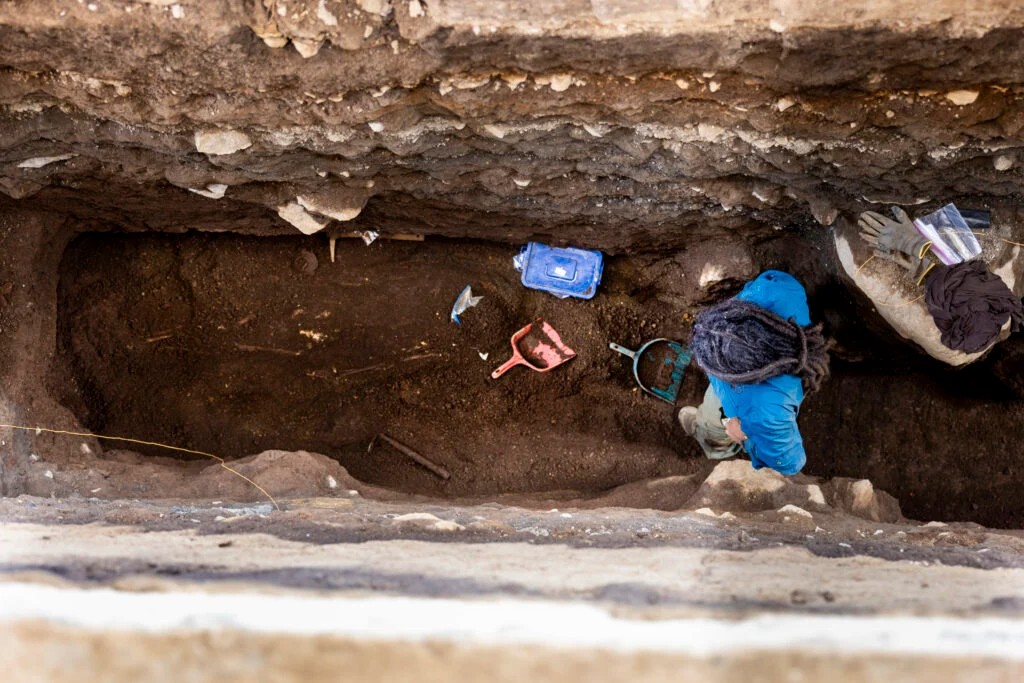
In Antiguo Cuscatlán. Just outside San Salvador. Archaeologists dug up a skeleton last July. It was laid out face-down. Clutching a ceramic sea turtle.
This isn’t just another grave. It’s a potential window into pre-Maya burial rituals in El Salvador that challenge how we understand the region’s history.
Uncovering the 2,800-yearold skeleton
The find happened on July 2. Carlos Flores Manzano directed the dig. He’s a doctoral student at Yale. Working under the El Salvador Ministry of Culture.
The skeleton is old. Really old.
It sat underneath a thick layer of volcanic ash. That ash came from the Plan de la Laguna crater. Eruptions there are dated between 850 and 850 B.C. Roughly 2,800 years ago. This places the burial firmly in the Middle Preclassic period. A time when Mesoamerican societies were shifting from nomadic to sedentary. Cultures were getting complex. Fast.
They weren’t radiocarbon dating it immediately. The ash layer does the heavy lifting for chronological placement.
Why was the body buried face-down with a sea turtle?
Here is the weird part. The posture.
Face-down is rare. Unusual. In the late 1970s. Archaeologist William R. Fowler dug at Chalchuapa. Not far from Antiguo Cuscatlán. He found 33 skeletons. Mostly adult males. Their limbs were bound.
Fowler called them war sacrifices. Captives put down permanently.
For a long time. That theory stuck. Human sacrifice was the default explanation for strange burials in this region.
Flores Manzano disagrees. Or at least. He offers a different angle. In a 2020 study he questioned the sacrifice narrative. Maybe it wasn’t violence. Maybe it was cosmology.
“The unusual burial position might be related to an ancient Mesoamerican cosmology and underworld.”
Think about the sea turtle. It wasn’t random junk. It was likely a vessel. Placed near the hand.
Flores Manzano links it to Orion’s Belt. Later Maya astronomy used this cluster for sacred journeys. If this burial mirrors that thinking. Then the sea turtle is a guide. Or a map. Not a trophy.
What comes next for the Antiguo Cuscatlan find?
We don’t have all the answers. Yet.
The burial was too fragile to leave in the ground. They encased it in plaster. A careful lift. Now it’s in a lab.
Chemical analysis is next. Diet. Lifestyle. Cause of death. These details are locked in the bone chemistry. It will take about a year. A full calendar year.
Flores Manzano expects public results then. Until then. The debate continues.
Is it a sacrifice? Or a sacred journey?
The ash covers the answer. For now.