Most of the sewage spilling into England’s rivers, lakes, and seas over the last two years might have been illegal. And it likely went unpunished.
New analysis suggests a gaping hole in UK environmental law. The law says raw sewage shouldn’t be released during “normal” weather. Simple enough. But for years, regulators didn’t define “normal.” So water companies just kept spilling. Until now.
Campaigner Prof Peter Hammond dug into secret court documents. He found a definition. The result? Over 80% of spills occurred in weather conditions that were not heavy rain. Which means they were probably illegal.
Why the definition matters
The crisis is structural. In the UK, drains carry rainwater and household waste through the same pipes. When it rains hard, the system overwhelms. Treatment works can’t handle the volume. So, sewage overflows into waterways to prevent backups into homes.
The loophole? There was no clear threshold for “heavy rain.”
Water companies argued they could spill during any rain event if the infrastructure was at capacity. Critics called this an open season for pollution. They pointed out that the Environment Agency (EA) had never clarified exactly how wet it had to be before a spill became legal.
That ambiguity allowed the industry to treat spills as routine rather than exceptional. No consequences. No fines. Just clean water disappearing into the Thames, the Severn, and smaller rivers across the country.
The secret document
Earlier this year, a source inside the EA provided Hammond with undisclosed court documents from a 2021 case against Southern Water. The case concerned illegal sewage spilling.
Inside, a specific definition of “heavy rain” emerged. Internal EA emails confirmed that spills are permitted only when rain exceeds “normal” conditions. If the rain isn’t “heavy,” the discharge is technically a violation.
Hammond, a retired academic whose work has influenced Parliament and Ofwat’s enforcement decisions, applied this definition to spill data.
86% potentially illegal
Hammond analyzed more than 350 storm overflows. His dataset covered all major sewage treatment works and a cross-section of smaller outlets. He looked at data from England’s nine water companies, serving over 30 million people.
The findings were stark.
“About 86% of the raw sewage spills happened when it had not rained heavily.”
That leaves the vast majority of discharges potentially illegal. None of the water companies passed the test. Even the best performer had a potential illegality rate exceeding 70% over the last two years.
Hammond didn’t mince words.
“It’s totally outrageous. The water companies are exploiting weak regulation. And the Environment Agency has not been doing its job properly.”
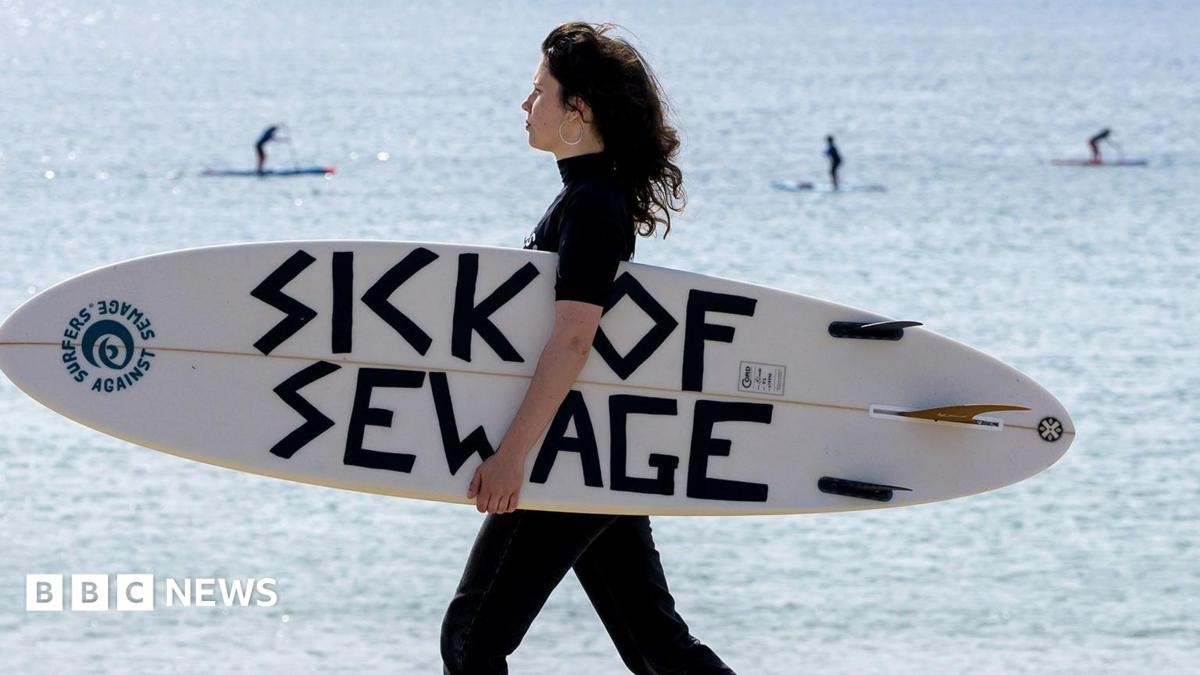
Public anger has been mounting for years. The visibility of the crisis has shifted from a technical nuisance to a political emergency. Protest groups have targeted water company HQs. Social media feeds are filled with footage of orange sludge coating riverbanks.
But data is what drives policy. And this data suggests the system wasn’t just breaking rules—it was breaking them systematically.
The industry pushes back
The water industry rejected the analysis. Water UK, the trade body representing the companies, cited a High Court ruling. They argued discharges should only happen in “exceptional circumstances.” They claimed that if preventing a spill is technically possible but excessively costly, a discharge is allowable.
“In any case, we want to end all [spills],” a spokesperson said. “We are working to end them as fast as physically possible.”
The Environment Agency also pushed back, stating it is working with companies to reduce spill numbers. But does it? If the regulator didn’t define “normal” until now, how effective have its interventions been?
What comes next
Hammond’s analysis relies on a single court document. Critics might argue it’s one data point. But if the definition holds, it undermines the legal shield water companies have used for decades.
For now, the spills continue. The pipes are still overwhelmed. The waterways are still stained. And the question remains: if 86% of spills are illegal, why is nothing happening to the companies responsible?
The courts have spoken. The regulator has listened. But the rivers are still talking. And they sound dirty.