The court needs to step in. Now.
That’s the urgent message from a coalition of Indigenous nations and environmental watchdogs. They are fighting back against SpaceX’s controversial land deal in South Texas. The agreement, struck with the U.S. Fish and Wildlife Service, hands over 727 acres of public land in the Lower Rio Grande Valley National Wildlife Refuge to the company. In return, SpaceX gives up 683 acres of its own property nearby. Not all of that land is contiguous. The geometry of the swap is messy.
The legal battle heated up last month. Groups sued the service, arguing the trade degrades the refuge. They say it breaks the law, specifically the National Wildlife Refuge System Improvement Act. Then came the emergency filing on July 20. These groups want a federal judge to halt the exchange immediately. They want the courts to weigh the evidence before the ink dries.
Laiken Jordahl, a public lands advocate with the Center for Biological Diversity, didn’t mince words. Federal officials are racing to hand over public lands to one of Earth’s wealthiest corporations. They aren’t waiting for the courts to act. Jordahl pointed out that this refuge is one of the few remaining spots for public nature access in the Rio Grande Valley. Why should Texans surrender more land to a trillion-dollar entity? Once these acres transfer to SpaceX, they vanish. Forever.
Environmental impact of Starship launches
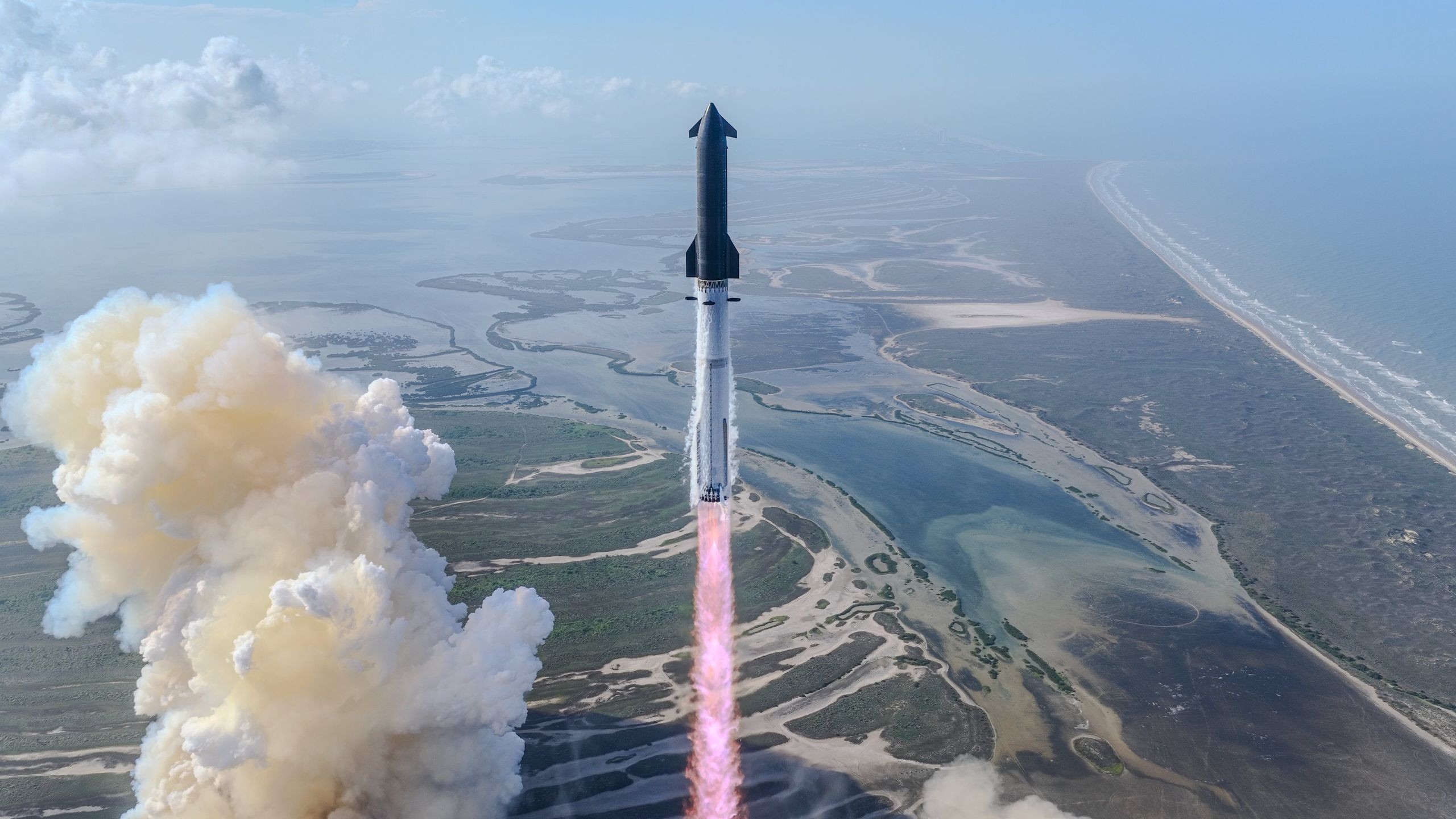
The land SpaceX wants sits right next to Starbase. That is the manufacturing hub and launch site for the Starship megarocket. Elon Musk’s company calls Starship transformational. It is the biggest launcher ever built. It is designed for rapid, full reusability. But it is still in the testing phase.
So far, Starship has completed 12 suborbital flights. All launched from Starbase. Flight 13 is scheduled for Thursday, July 23. The frequency of these tests worries conservationists.
The refuge spans 90,000 acres. It exists to protect vulnerable wildlife. Launches threaten that mandate. A 2024 study cited by the Center for Biological Diversity offers chilling data. After just one launch, every monitored shorebird nest near the site suffered egg damage or total loss.
Instead of enforcing rules, the Fish and Wildlife Service is doing something else. They are using that degradation as an excuse. The agency argues the land is so damaged it should go to SpaceX. Critics see this as a loop hole. Why reduce harm when you can just give the land away?
Historic preservation and procedural concerns
This isn’t just about birds. Some of the land targeted for transfer is part of the Palmito Ranch battlefield. This is a National Historic Landmark. The final battle of the American Civil War took place here. The land swap likely violates the National Historic Preservation Act.
The Center for Biological Diversity and its partners are also angry about how this deal moved. It looked expedited. Too expedited. The swap became public in March. But Freedom of Information Act records show internal planning started in April 2025. Internal communications with the regional director revealed a push for “the most expedited schedule possible.” Staffing recommendations were made to hit what they called an “optimum timeframe.”
Speed seems to be the priority. Legal rigor seems secondary.
Who is leading this charge? The lawsuit includes the Center for Biological Diversity. Also: Save RGV. The Carrizo/Comecrudo Nation ofTexas, Inc. The South Texas Environmental Justice Network. They argue that public land shouldn’t be bartered away without public scrutiny.
Is this a necessary expansion for American space dominance, or a surrender of ecological heritage? The court will decide. For now, the launches continue. The birds keep nesting. And the legal fight intensifies. The clock is ticking on the injunction. If it fails, the acres go to SpaceX.