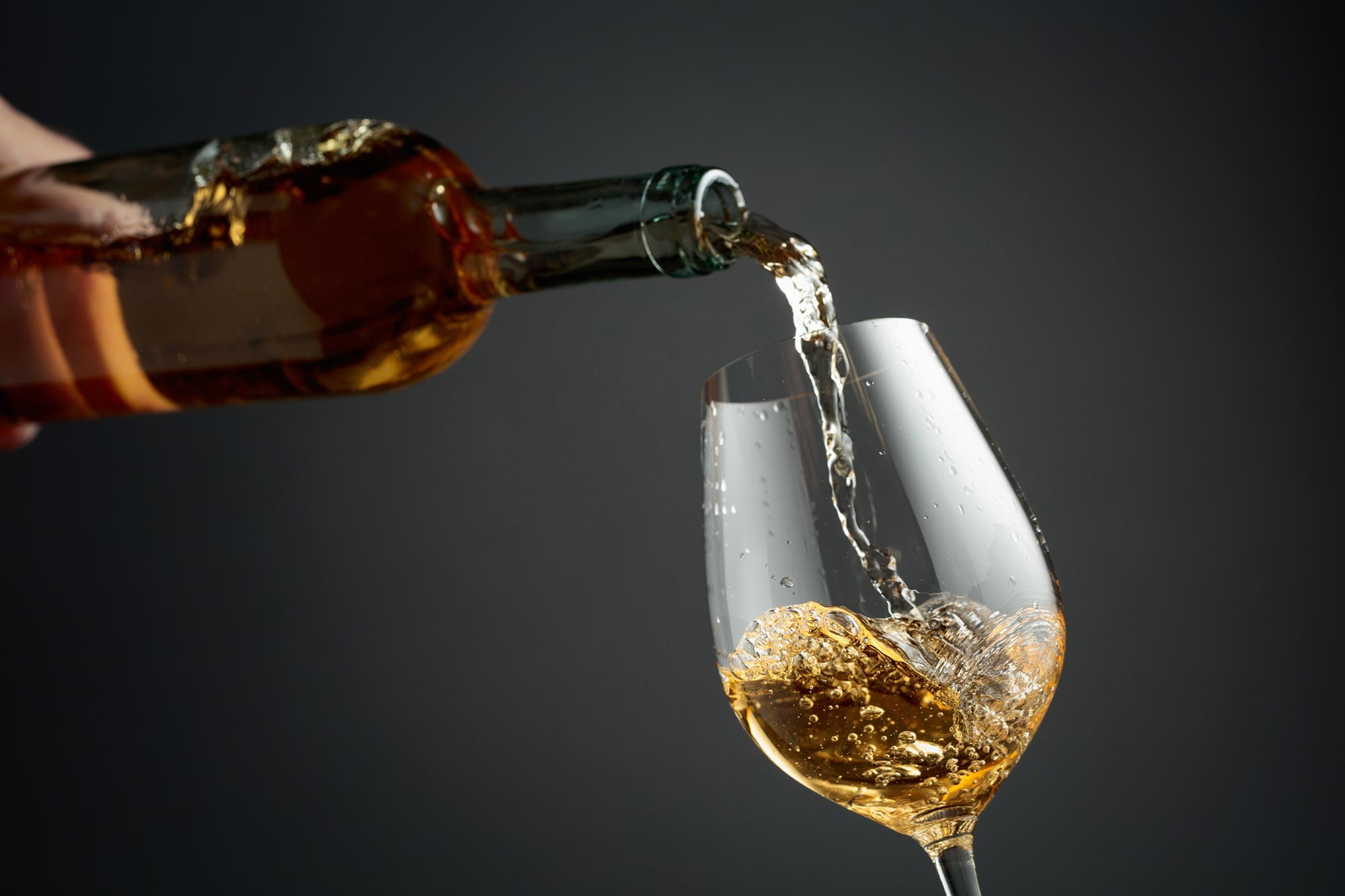
Stop treating all alcohol the same. It’s time we stopped pretending.
For years the debate was binary. Drink hard and you die. Don’t drink and maybe you live. Simple enough. But the middle ground? That’s been a blur.
A new study looks at 340,92 adults in the UK. They were tracked for over 13 years on average. The data comes from the UK Biobank, running from 2006 all the way to 2022 at the ACC.26 conference.
It’s not just about volume anymore.
Zhangling Chen leads the research. He’s at Central South University in China. He points out a specific divergence. A real split in the data depending on what liquid ends up in your glass.
Here’s how they sliced the numbers.
They grouped people by pure alcohol intake.
– Less than 20 grams a week means you’re essentially non-drinkers or very occasional.
– Men hitting 20 to 40 grams a day sit in the moderate zone.
– Women top out at 20 grams a day for that same moderate label.
– Above that is high intake.
Think about that last point.
For women more than two drinks a day counts as high risk. For men it’s more than three.
The results? High intake across the board kills more. A 24 percent increase in death from any cause. A 36 percent spike in cancer death.
But the interesting part happens below the line.
When intake drops to low or moderate levels, wine separates itself from the pack.
People who stuck to spirits beer or cider still faced a higher risk of dying compared to non-drinkers. Even at low doses. But wine drinkers saw the opposite. Their risk of death actually went down.
Take heart disease.
Moderate wine drinkers had a 21 percent lower risk of cardiovascular death than people who hardly touched the stuff.
Flip the script on spirits beer and cider.
Low consumption there linked to a 9 percent higher risk.
Why does this matter?
We know polyphenols and antioxidants live in red wine. Those things might protect the heart. But it’s likely not just the chemistry. It’s the ritual.
Wine goes with food. People who drink wine usually eat better. They sleep better. The whole lifestyle package is cleaner.
Spirits often mean drinking away from meals. Often alone or in ways that correlate with poorer diet quality.
Chen puts it bluntly. The risks depend on both how much and what you drink.
The health risks of alcohol depend not only… but also on the type of beverage
But pause before you open the cabernet.
This study is observational. They looked at data. They didn’t force people to drink specific amounts for science. The habits were self-reported too. People lie or forget about how much they really poured into that last glass.
Plus UK Biobank people tend to be healthier to begin with. A healthier sample group doesn’t always predict the average guy down the street.
We need randomized trials. We need better tracking of changes over time.
So is wine healthy?
Maybe. If you drink it in moderation and it fits a broader healthy life.
Does it make the risks disappear? No. High amounts still raise mortality risks sharply. The window is narrow.
What does this mean for your Tuesday night routine?
Probably nothing drastic. But perhaps it suggests looking at the label isn’t enough. You might want to look at what’s around the bottle too.
Or just consider the water.