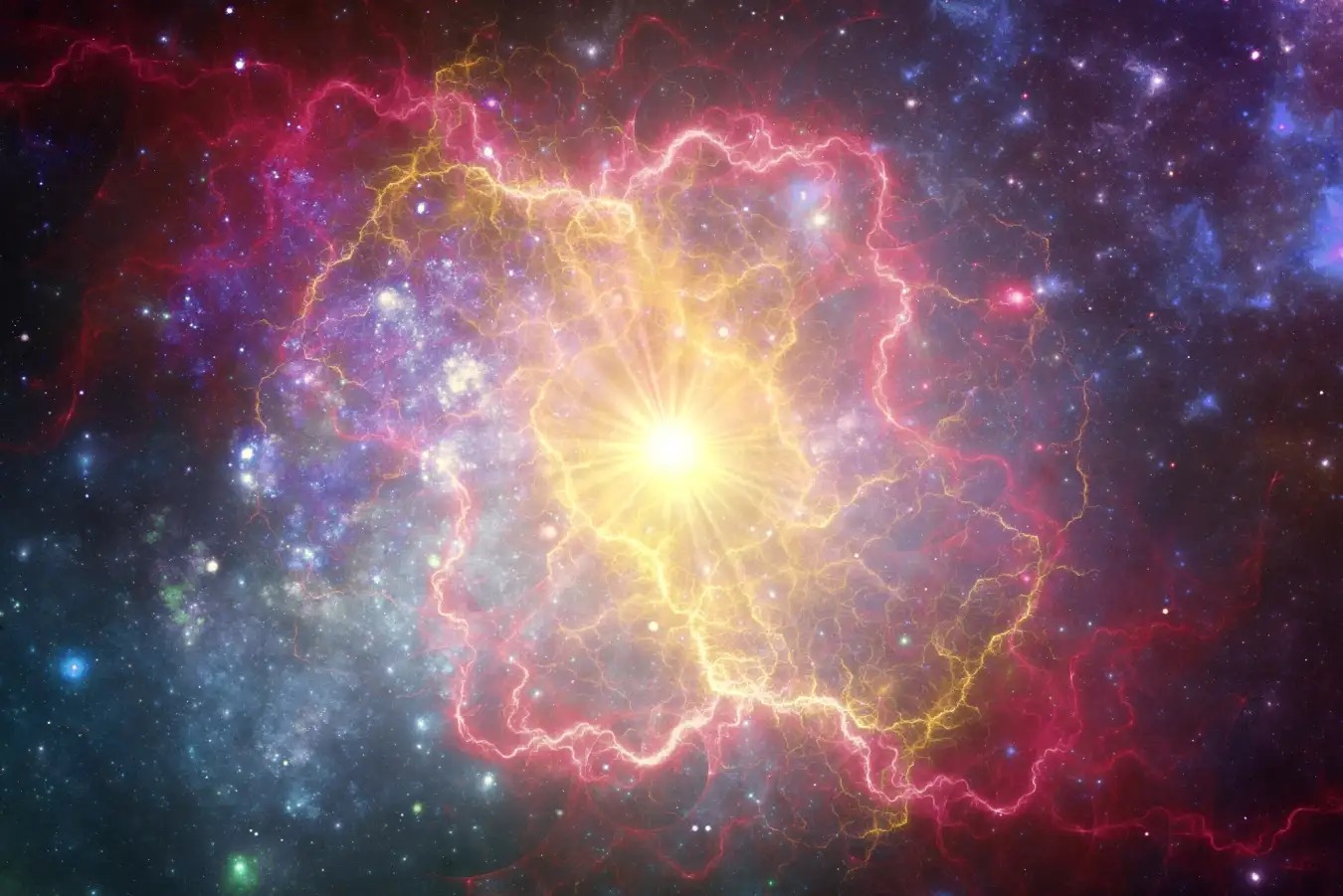
The premise is simple. Start with the end of the world. A supernova offers scale, sure. But more importantly it offers certainty. You know when it hits. You just don’t know if you’ll survive it. That tension? It writes itself.
“What choices do you make… and what price would you pay?”
That is the core of Claire North’s Slow Gods. Not the explosion itself. The wait.
The long goodbye
Imagine looking up at the sky for a thousand years. Knowing death is coming. Watching your people ignore it. Politics are lazy like that. “Save the world” is a slogan until it requires action today. So it sits there. A threat on the calendar. Then suddenly millennia become decades. Time crunches in. You hold a grandchild. You know exactly how they die. Boiled oceans? Atmosphere igniting? Radiation rotting them from the inside out? The incremental fixes don’t cut it anymore. Not space elevators here, distant colonies there.
It is now or never.
Do some fast math. One hundred years left. Five billion people to save. Build the ships. The massive ones. Motherships that crawl through the dark. You might move fifty million a year if you are lucky. Maybe more if you ignore the things living in the void. The madness. The biology that shouldn’t exist. Just pretend the monsters aren’t there. For a second.
Can you actually get everyone off? No. Because children are being born. Always born. Stop reproduction and the society dies anyway. A childless century is just a different kind of grave. So you save some and leave others behind.
Who gets the ticket?
Selectivity is ugly. Prioritize the educated? The fertile? The famous? That leaves the vulnerable for the fire. Eugenics by omission. Maybe too harsh a word, but accurate. A lottery feels better. Fair on paper. Hopeful for the individual. Useless for the species. Most people won’t draw a winning number. They accept death because they have no choice.
Escape leads elsewhere. Usually a bad place. Some worlds spit you back into space. Others take you. Just a few thousand. Stuck in the harshest terrain they can find. Biology fights climate. Language fractures. Culture dissolves into memory fragments. You save bodies but kill the civilization. Historians bicker over what song matters. Art gets packaged for sale. It is a museum of what used to be.
The hard way
Or you delay. You bluff. Someone else will fix it. Now it is ten years. Billions with no escape. The rich get off planet. They still need workers. They need cheap, desperate labor. Fear is a motivator. Violence is a solution.
Look at the gunships. Look at weaker planets. Ones safe from the blast. Maybe you invade. Take what you need. Kill who you have to. Parents do things. Terrible things. For their kids. Annihilation or endless war. Pick your poison.
Slow Gods explores both paths. Or none.
New Scientist Book Club is reading this July. If you like discussing whether we would make better choices, the Discord is open.