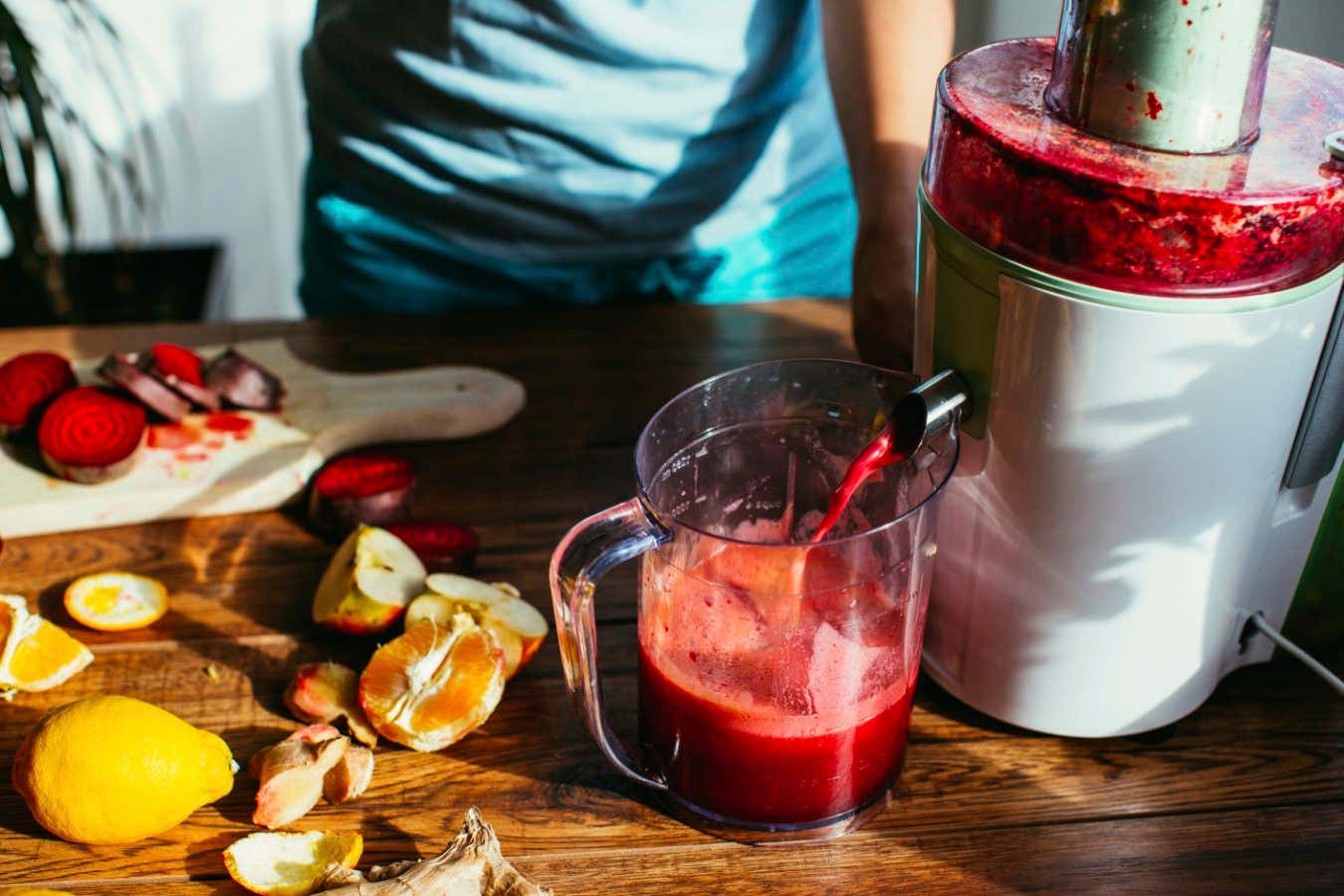
My friend Lizzie is an athletic doctor. She handed me a tiny bottle of purple sludge. It was a beetroot shot. Meant for marathons. She promised it works for non-runners too.
I drank it. It tasted like dirt. Sweet dirt, but still.
Lizzie was right though. Or at least, science suggests she is. The hype isn’t total nonsense. But let’s get past the gym-bro marketing first.
Why purple matters
Most of the hard data comes from Andy Jones. Exercise physiologist at Exeter University. His team figured out that beetroot is loaded with nitrate. Inside you, nitrate becomes nitric oxide.
Nitric oxide makes blood vessels widen.
Simple physics. Wider pipes mean better flow. Lower blood pressure. More oxygen hitting the muscles when they’re screaming for it.
Jones ran a test back in 2008. Eight recreational athletes hopped on a bike. One group drank beetroot juice for six days. The other had blackcurrant. The beet crew pedaled roughly ninety seconds longer before quitting.
It’s a small window. But in sport? Nine seconds can mean gold. Or nothing at all.
Beetroot isn’t a miracle pill, but it gives athletes an edge that adds up over time.
Since then? Everyone wants in. Eliud Kipchoge swears by it. Jonas Vingegaard drinks it. The Leicester City soccer team probably chugged gallons before their 2016 title win. Even the International Olympic Committee admits it. They list dietary nitrate alongside caffeine and creatine. It’s one of five supplements with “good to strong evidence” of boosting performance.
Not an athlete? Good news.
Do I need to win a Tour de France to care?
I don’t think so. If I drank beetroot juice tomorrow, I wouldn’t suddenly start jogging. But a study from Alabama suggests it might make exercise less miserable for people carrying extra weight. They lasted longer on the bike.
“Easier burden” of exercise, they called it. Translation: It hurts a bit less to move. That could help you actually do it.
There are rumors too. Social media claims it’s like coffee. No jitters, just energy. Has it been tested? No. Probably placebo. Probably also just hydration working its magic.
What isn’t rumor? Blood pressure.
Daily beet juice can lower systolic pressure by about 5 points. Medication drops it by 10. So don’t ditch your pills. But add on some juice? It helps. Especially if you chew sugar-free gum afterward. The gum triggers enzymes in your mouth. It kicks off the nitrate-to-nitric-oxide conversion faster. Clever.
Just don’t do it if you already have low blood pressure. Dizziness awaits. And diabetics? Watch the sugar content. It’s natural sugar, yes. It still spikes blood glucose.
The bedroom bonus
Dr. Michael Mosley used to call beetroot “vegetable Viagra.”
Not because it turns you purple. Because the mechanism is identical to Sildenafil. It boosts nitric oxide. It widens blood vessels. Down there.
A recent study put smart rings on ten men while they slept. They took a beetroot extract supplement. Nighttime erections got longer and firmer. The catch? The study was funded by the company selling the pills. So maybe take that with a grain of salt.
Or a slice of beet.
The Romans knew this. Two thousand years ago, they used beetroot for romance. Found it painted next to wine cups in brothels. That “red wine” in a Pompeii fresco? Might have been beet juice all along.
Side effects (other than arousal)
Here is the thing no one mentions until you need to know.
Beet pigment is stubborn. It turns urine and poop pink or red. Bright crimson. It looks terrifying.
It isn’t blood. It’s just dinner. Don’t call 911.
Hate the taste of juice? You’re not stuck. Spinach. Rocket. Lettuce. Celery. Bananas. All have nitrates.
I won’t be buying shots. The taste is too aggressive for daily life. I’ll stick to whole beets. Roast them. Put them in a salad. Maybe sandwich slices into a burger.
It won’t make me fast. It might just make me less tired on Tuesday mornings. That sounds like a good enough reason. Lizzie rarely gives bad advice. And in this case, she didn’t miss the mark.