Game shows promised wholesome family entertainment. They offered an interactive escape for everyone from toddlers to grandparents. But the veneer of innocence often cracked. Behind the bright lights and cheerful host, scandals have rocked the industry for decades. These weren’t just innocent mistakes. We are talking about blatant cheating. Or worse, producers orchestrating the fraud.
The list of broken trust is long. It ranges from contestants hiding phones to executives rigging the entire outcome for ratings. Let’s look at some of the most shocking instances where the game was rigged.
The Price is Right Pregnancy Discrimination
Brandi Cochran thought she had secured a spot on The Price is Right. It’s one of the most-watched shows in history. In 2010, she sued the production company. Her claim? Wrongful termination after pregnancy.
Cochran said she took her leave only to be told her services were no longer needed upon return. It wasn’t an isolated incident. Former model Shane Stirling made similar claims around the same time. She alleged she was fired for the same reason.
Cochran initially won a $775,000 judgment in November 2012. The jury agreed with her story. But the victory didn’t last. The judge overturned the findings in March 2013. The case was dismissed. The scandal remained a stain on the show’s reputation, however.
Our Little Genius: A Scam Before It Aired
Not every scandal makes it to air. Our Little Genius is a prime example of a show killed before it began. Fox planned to premiere this trivia show for child prodigies in January 2010. The hook? Kids winning cash for their families.
It never happened. The show was pulled due to integrity issues. A contestant’s parent wrote to the FCC. The letter detailed a disturbing discovery. A production staff member gave the child and his parents a list of potential topics. Specific answers were provided for at least four questions.
The show was likely manufactured. The child was set up to succeed. Fox canceled the project entirely. No episodes ever aired.
Adriana Abenia’s Hidden Tech Trick
Adriana Abenia’s scandal is lighter in tone but no less shocking. She was a model featured on the cover of FHM. During an appearance on the Spanish game show Pasapalabra, things got weird.
Contestants had to identify song titles and artists as music played. Abenia used a hidden device to cheat. She had her phone tucked between her legs. The screen was running Shazam. The app identified the songs instantly.
Abenia admitted to the trick during recording. She cited embarrassment over her lack of musical knowledge as the motive. It’s a small-cheat compared to others on this list. Yet it highlights how easy it is to bypass the rules when you’re willing to hide technology.
The Twenty-One Rigging of the 1950s
The 1950s saw a boom in game shows. Television was going mainstream. Twenty-One hosted by Jack Barry was a huge hit. Contestant Herb Stempel won for six consecutive weeks. He eventually lost to Charles Van Doren.
Van Doren had a strong run of his own.
Then the truth came out. Both runs were rigged. The show manipulated the outcomes to boost viewership and generate publicity. It wasn’t just one person. The entire mechanism of Twenty-One was compromised.
This scandal was so significant it inspired Robert Redford’s 1994 film Quiz Show. The movie dramatized the era’s moral collapse. It showed how the pressure for ratings overrode integrity.
Who Wants to Marry a Multi-Millionaire?
Before The Bachelor and The Bachelorette dominated dating TV, Fox tried a different angle. Who Wants to Marry a Multi-Millionaire? put 50 women in competition for an unseen wealthy man.
Rick Rockwell was the “wealthy businessman.” Darva Conger, an emergency room nurse, won his hand. The show drew 23 million viewers. Ratings were huge.
The premise was controversial. But the fraud was worse. Rockwell lied about everything. He wasn’t a millionaire. His main asset was a small 1,200-square-foot house. He fabricated his wealth and status on live television. The marriage that followed was built on a foundation of lies.
The Body Language Cheat
Khaled El-Katateny’s case is debatable. Whether he actually cheated or just played the odds is up for discussion. He won $100,000 on Millionaire Hot Seat.
The 199-law student claimed he answered five questions correctly by reading the host. Eddie McGuire’s expressions and body language gave him the answers. It was a strategy producers didn’t intend. It felt like a violation of the spirit of the game.
McGuire and the producers laughed off the claims. They insisted he gave nothing away. But the audience didn’t care. The idea that a host’s face could reveal quiz answers is unsettling. It suggests the game is more about performance than knowledge.
These stories show that the desire to win often overrides fairness. Whether it’s a hidden phone or a scripted finale, the trust is fragile. Viewers think they are watching a test of skill or luck. Often, they are watching a production. The line between entertainment and manipulation is thinner than we like to admit. What happens when the next big hit show is just as staged? We’ll have to wait and see.
How Kerry Dee Ketchum Used a Fake Name to Win Super Password
The game show industry often prides itself on being fair, but some winners are winners only in name. Patrick Quinn wasn’t who he said he was. In 1988, a man going by that name walked off with $58,000 on Super Password. The money vanished fast. So did his freedom.
Quinn was actually Kerry Dee Ketchum. He was on the run in three states. A sharp-eyed viewer spotted him. They called the cops. Ketchum tried to cash the check and got arrested instead. The cost of that win? Five years in prison. He had faked his wife’s death to steal $100,000 from an insurance company. It was a stupid move. It also exposed a glaring hole in how TV networks screened contestants. Background checks were loose. Too loose.
The Dating Game and the Serial Killer Who Wasn’t a Killer
Rodney Alcala is a name that sticks in your throat. He appeared on The Dating Game in 1978. Cheryl Bradshaw picked him as her date. She was smart. She called him creepy. She said no.
Host Jim Lange introduced Alcala as a successful photographer. He didn’t mention the rest. Alcala was a registered sex offender. He was a convicted rapist. He was also an active serial killer at the time. The episode aired while he was still committing crimes. Bradshaw’s gut instinct saved her life. Alcala is now on death row in California, convicted of five murders. The show got lucky. Bradshaw got away.
The Coughing Major Who Stole the Millionaire Title
Charles Ingram knew the military. He was a former major in the British army. He didn’t know how to play Who Wants To Be A Millionaire correctly. Or so we thought. Ingram became one of the few people to hit the maximum £1,000,000 prize. Suspicion followed him like a shadow.
Investigators wondered if he was working with accomplices. The answer was yes. A four-week trial laid it all bare. Ingram, his wife Diana, and another accomplice were convicted of cheating. The scheme was bizarrely low-tech. Ingram would pause on questions. His accomplices would cough to signal the right answer. It was loud. It was obvious.
Ingram lost his military rank. He lost his freedom. The coughs echoed across the UK, turning a trivia contest into a scandal. It showed that even high-tech game shows rely on human honesty. And human honesty is often lacking.
The Man Who Memorized Randomness on Press Your Luck
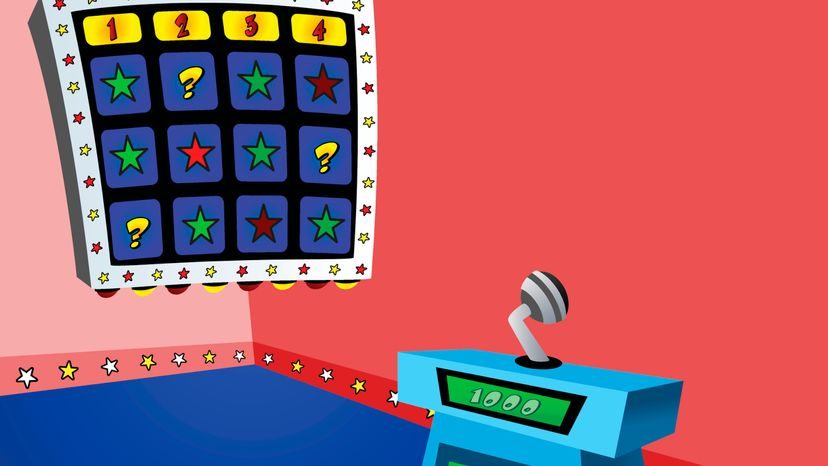
Michael Larson is the king of game show cheats. He figured out how to beat the system on Press Your Luck. CBS’s biggest hit. Larson wasn’t just lucky. He was prepared. He watched recorded episodes. He paused them. He replayed them.
He noticed the spins weren’t random. They followed a pattern. A predictable loop. Larson practiced until his eyes burned. He memorized the sequence. When he stepped on set, he hit the best prizes on the Big Board every time. No luck required. Just math and obsession.
The scandal forced CBS to change its programming. They tightened rules across the board. Other shows followed suit. Larson proved that “random” is often just a word for “not studied hard enough.” The industry learned. The system was patched. But the thrill of the win? That remained. And it will always be there, waiting for the next person willing to stare at a screen until they see the lie inside the randomness.