There is a specific nostalgia attached to the late 80s through early 2000s. It wasn’t just a time; it was a creative golden age. Most fans will tell you right now that their favorite anime came from this era. Sure, modern kids might look at these shows and call them “old anime.” And technically, they are. But calling Dragon Ball Z or Cowboy Bebop old doesn’t diminish their impact. It highlights how well-crafted the storytelling was. The visuals still dazzle. The stories still stick with you.
If you are looking to revisit those Saturday morning cartoons or want to understand why these shows remain relevant decades later, start here. These eleven series defined the decade.
Dragon Ball Z (1989-1996)
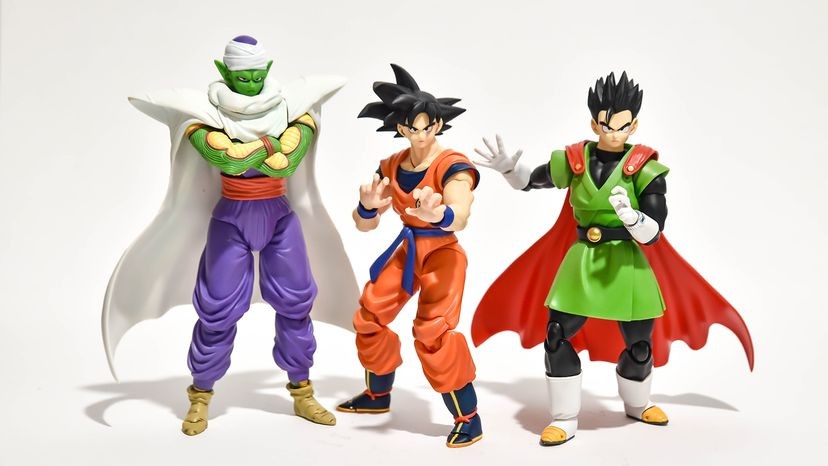
The franchise started in the late 80s, but Dragon Ball Z was the explosion. It caught fire with Western audiences roughly a decade after the original manga began. For many Gen X and Millennial kids, this was their first real entry point into anime. It was a home run.
The plot is simple but effective. Goku, a Super Saiyan warrior, teams up with a diverse cast of martial arts fighters to defend Earth. They face aliens. They face magical creatures. The stakes are always high. The energy is relentless. It remains one of the most essential 90s anime series on the list for a reason.
YuYu Hakusho (1990-1994)
Yusuke Uramesu is a teenage delinquent. He dies saving a kid from a speeding car. It’s an uncharacteristic act of self-sacrifice. The supernatural deities of the afterlife are confused by his sudden altruism.
So they give him a second chance. But there’s a catch. He has to become an underworld detective. His job? Investigating demons, apparitions, and creatures of the night. It’s a mix of street-level drama and supernatural action.
Sailor Moon (1992-1997)
Toei Animation produced this shojo staple. It balanced the brutal energy of Dragon Ball Z with feminine elegance. A tight-knit group of middle school students transforms into magical girls. They have special abilities. Their mission is to vanquish evil forces.
It wasn’t just about fighting. It was about friendship. It was about identity. It paved the way for a generation of fans who saw themselves in those characters.
Slam Dunk (1993-1996)
Sports anime had a different flavor in the 90s. Slam Dunk followed Hanamichi Sakuragi. He left his life of crime to join the Shohoku High School basketball team. He thought he was just an ordinary player.
He wasn’t. Hanamichi was a naturally gifted all-star. The show didn’t shy away from his personality either. It was loud. It was energetic. It made you want to grab a basketball and try to dunk.
Mobile Suit Gundam Wing (1995-1996)
Many mecha anime use animation to show off intense battles. Mobile Suit Gundam Wing did it better than just about any other show. The stylistic animation illustrated swift motion and combat with a precision that was rare for the time.
The story is set during a futuristic civil war between Earth and its space colonies. The politics are complex. The robot designs are iconic. It remains a top contender for best mecha anime for many enthusiasts.
Rurouni Kenshin (1996-1998)
This is a hall-of-fame classic. It follows a wandering swordsman in Meiji-era Japan. Kensim is on a quest for atonement. He used to be a killer. Now he travels with a reverse-blade sword.
He finds refuge at a struggling martial arts school. There, he meets new friends and battles old enemies. The tension between his violent past and his peaceful present drives the narrative forward.
Vampire Princess Miyu (1997-1998)
This series continued the girl-power motif started by Sailor Moon. But it twisted the trope. Miyu is a vampire turned demon slayer. She hunts evil forces. Her goal isn’t just to fight; she wants to return to her realm of darkness.
It’s darker than the magical girl genre. It’s grittier. The supernatural elements feel more grounded in horror than fantasy.
Cowboy Bebop (1998)
Many Japanese TV enthusiasts consider this the best anime series ever made. It covers the futuristic misadventures of Spike Spiegel, an easygoing bounty hunter. He is joined by an eclectic crew. Jet Black. Faye Valentine. Ed. Ein.
The franchise earned prestigious accolades. It has an army of diehard fans. The neo-noir, space western style was perfected here. The jazz soundtrack alone is worth the watch.
Initial D First Stage (1998)
Fans of modern racing anime like MF Ghost know the genre. But Initial D paved the way. It retrofitted old anime tropes with high-octane modern car racing action. It wasn’t just about the cars. It was about the mountain passes. It was about the drift.
Serial Experiments Lain (1998)
This wasn’t just entertainment. It was a groundbreaking exploration of psychological concepts. Reality. Identity. Conspiracy. Communication. Serial Experiments Lain asks hard questions about the emerging digital world.
It is considered one of the best entries in the animated horror genre. It continues to attract new fans who are fascinated by its prescient commentary on technology and isolation.
Hunter x Hunter (1999-2001)
The original series began in 1999. Hunters are elite members of a prestigious organization. They explore the human world for uncharted treasures. Rare beasts. Uncharted locations filled with wonder.
Orphan boy Gon Freecss passes the grueling exam. He embarks on a journey to find his missing father. But more importantly, he begins to discover his own potential as a hunter. The world-building in this show was expansive and intricate.
The 90s gave us these stories. They gave us characters who felt real. The animation techniques evolved. The genres diversified. These shows didn’t just entertain. They shaped how we view animation today. They remain essential viewing.
The 1990s were a golden era for Japanese animation. It wasn’t just about flashy fights or beautiful backgrounds. It was about depth. Some films broke bones with intensity. Others offered quiet, idyllic escapes. Studio Ghibli mastered the latter. But even the shonen staples had grown into feature-length epics.
Here are seven monumental anime movies from that decade. Listed in release order. They define an era.
1. Dragon Ball Z: The World’s Strongest (1990)
The TV series Dragon Ball Z is a global phenomenon. But the movies stand on their own. Toei Animation proved they could stretch the narrative without losing momentum. Mayumi Tanaka and Masako Nozawa deliver iconic voice performances that anchor the chaos.
The plot kicks off with young Gohan hunting for Dragon Balls. These are magical relics. Find all seven and you summon Shenron. You get one wish.
Dr. Kochin beats him to it.
This isn’t just a random villain. Kochin wants the strongest warrior on Earth. He plans to transplant his own brain into that warrior’s body. Naturally, Goku is at the top of the list. The stakes are personal. The action is relentless.
2. Only Yesterday (1991)
Studio Ghibli is arguably the greatest animation house in history. Their output spans genres and tones. Only Yesterday is a perfect example. It earned a perfect score on Rotten Tomatoes. Yet it didn’t get the same box office frenzy as Spirited Away.
It deserves more attention.
The film follows Taeko, a working woman in her late twenties. She escapes the Tokyo grind for a countryside vacation. As she travels, memories flood back. She remembers her childhood self. The contrast between her younger, idealistic self and her current, weary self is sharp.
It’s a coming-of-age story that never ends. You just grow up.
3. Ninja Scroll (1993)
Yoshiaki Kawajiri’s Ninja Scroll did something no other anime had done before for Western audiences. It recruited them. Before this film, anime in the West was a niche curiosity. Afterward, it was a genre.
Set in feudal Japan. It follows Jubei Kibagami. He is a mercenary swordsman. He just wants a quiet life. The universe doesn’t allow it. He runs afoul of the Eight Devils of Kimon. These are supernatural ninjas. Each one has a bizarre, grotesque power.
The violence is graphic. The choreography is tight. It is an action-thriller that defined the aesthetic for decades.
4. Ghost in the Shell (1995)
Mamoru Oshii’s cyberpunk masterpiece. It centers on Major Motoko Kusanagi. She is a cyborg. A childhood accident stripped her of her humanity. Now she lives in a synthetic body.
The world is connected. Technology is everywhere. Kusanagi works for a counterterrorism task force. Her job? Figure out who is pulling the strings. Are the criminals acting alone? Or are they puppets in a larger game?
It’s a psychological thriller. There is excessive fan service. The violence is gritty. But the questions it raises about identity and consciousness are timeless. It feels less like fiction and more like a warning. How close are we to this Orwellian future?
5. Princess Mononoke (1997)
Studio Ghibli’s landscapes are unmatched. Princess Mononoke is the peak of this talent. The detail in every leaf, every shadow, is staggering.
The story is not simple. It is not a fairy tale. It follows Ashitaka, a prince cursed by a demon. He travels west seeking a cure. He finds a conflict between industrializing humans and the forest gods. San, a young woman raised by wolves, fights to protect the forest.
There is no clear villain. There is only survival. The soundtrack by Joe Hisaishi swells with nostalgia. It is one of the best anime movies ever made for its complexity.
6. The End of Evangelion (1997)
When Neon Genesis Evangelion aired, the finale left fans angry. Director Hideaki Anno knew this. He created a theatrical film to answer the questions.
Shinji Ikari must suit up one last time. He pilots the Evangelion unit. The Angels are attacking. But the real threat is internal. The film deconstructs the mecha genre. It breaks down the protagonist’s psyche.
Fans called it one of the greatest anime films ever. It is dark. It is confusing. It is brilliant.
7. Pokémon: The First Movie (1998)
The Pokémon mania took over the West. The First Movie was the catalyst. Colorful characters. A catchy soundtrack. It lived in the heads of every 90s kid.
Ash Ketchum is the protagonist. He travels with his Pokemon partners. They face off against Team Rocket. Dr. Fuji is the mastermind behind the conspiracy.
It is simple. It is effective. It launched a franchise that still dominates pop culture today.
Why These 90s Anime Movies Still Matter
People often ask what the first anime was. Many cite Astro Boy. It aired in 1963. It established a Japanese aesthetic. The space race was peaking. The moon landing was six years away.
But the 1990s changed the medium. It wasn’t just children’s entertainment. It was art. It was philosophy. It was horror. It was romance.
These seven films show that range. They are monumental. They are essential.
Which one have you seen?