Bad breath. That is often where it starts.
Or worse. Gingivitis.
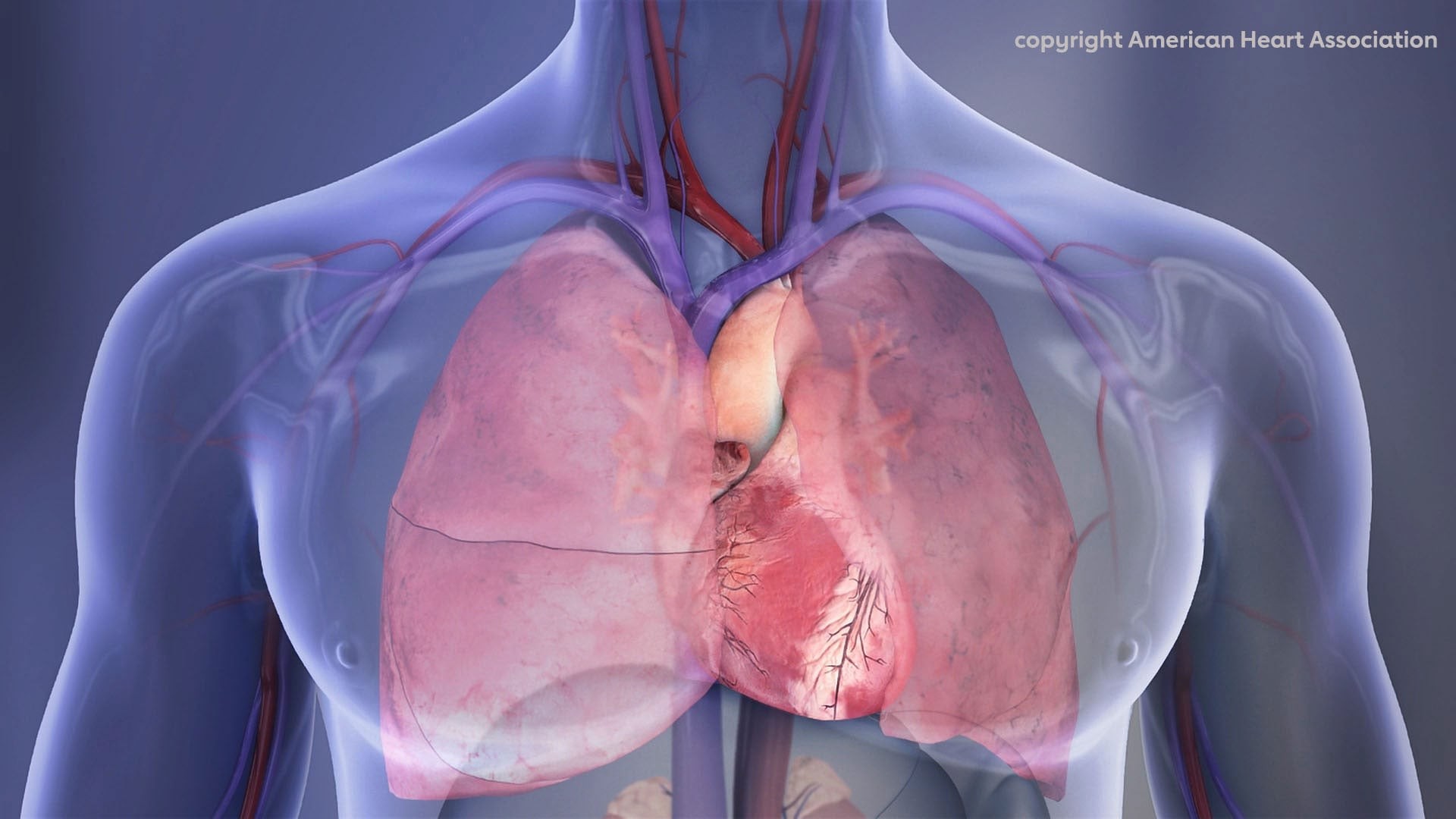
Now a bacterium notorious for destroying gums is pointing its toxic fingers at your heart’s main valve. Preliminary research from the American Heart Association suggests Porphyromonas gingivalis —a common periodontal pathogen—could be fueling calcium buildup in the aortic valve. This hardening condition, calcific aortic valve stenosis, turns flexible tissue into stone.
The valve narrows. Blood flow restricts.
It rarely announces itself with fireworks. Patients feel fine initially. Then comes fatigue. Chest pain. Shortness of breath. Fainting. Death. There is no pill to stop it. Currently.
“We hope our findings … will stimulate further research into new preventive approaches”
Chenyang Li. He led the study. A doctor. A PhD candidate at Fuwai Hospital in Beijing. He is tired of watching this disease progress without effective meds. He wants answers.
A Suspect From The Mouth
Why this bacteria?
P. gingivalis is already a suspect elsewhere. It ruins gums. It eats away the tissue holding teeth together. Previous studies linked it to artery plaque and coronary disease. The jump to heart valves feels logical. Or at least plausible.
Researchers checked human tissue first. Valves pulled out during replacement surgeries.
They compared the calcified ones to healthy-looking ones (well. Less calcified. The patients had other valve issues. Not perfectly clean control groups. Science is messy.).
The bacteria wasn’t the most common hitchhiker in these valves. It was a minor player numerically.
But the contrast was sharp.
The presence of P. gingivalis spiked dramatically in valves suffering from stenosis compared to those that didn’t.
Li admitted surprise. It wasn’t the loudest voice in the room. Just the one with the most different opinion. That discrepancy triggered the next phase.
Mice. Always mice.
Inflammation. Then Stone.
They fed the bacteria to lab mice. Some got the live bugs. Others got heat-killed versions. Ineffective zombies.
They watched what happened in the aortic valve.
The live bacteria colonized the tissue. Calcium deposits grew. Signs of stenosis emerged.
Antibiotics changed the script. Reduced the bugs? Reduced the calcification. The connection looked strong.
But how?
They zeroed in on IL-1β. Interleukin-1 beta. An immune signaling protein. It drives inflammation. Good for fighting infection initially. Bad if it screams loudly and continuously. Damaging healthy tissue.
The live P. gingivalis turned up the volume on IL-1β inside valve cells. Inflammation fueled the calcium crunch.
Then the researchers played god with genetics.
They deleted the IL-1β pathway.
Even with the bacteria present. The mice stayed relatively unscathed. Less calcification. Fewer symptoms. The inflammatory path mattered more than the germs alone. Or perhaps they were the lock and key working together.
The Missing Link
Does this apply to you?
Maybe. Probably. Definitely? Not yet.
The mechanism is proven in rodents. The association exists in human tissue. Cause and effect remains elusive in people.
“Good oral hygiene … are important for overall health”
Li’s advice is old news wrapped in new data. Clean your teeth. Treat gum disease.
It helps. It might help the heart. But we cannot recommend antibiotics for stenosis yet. That would be reckless. Premature.
Eduardo Sanchez of the American Heart AAssociation sees the bigger picture. Dentists are frontline medics. Often the only ones checking on people. Regular visits matter.
The team is starting a clinical trial now. Testing the gum-to-heart pipeline in actual humans.
Until then? Floss.
And wonder why no one connects the mouth to the chest faster.
Is your heart really separate from your mouth?
Probably not. But we still treat them as strangers.