Gravitational microlensing isn’t a method TESS was supposed to use. The satellite launched with one job. Spot planets by watching them cross stars. But NASA just found a world hiding in plain sight, buried in old data. And it’s thanks to Einstein.
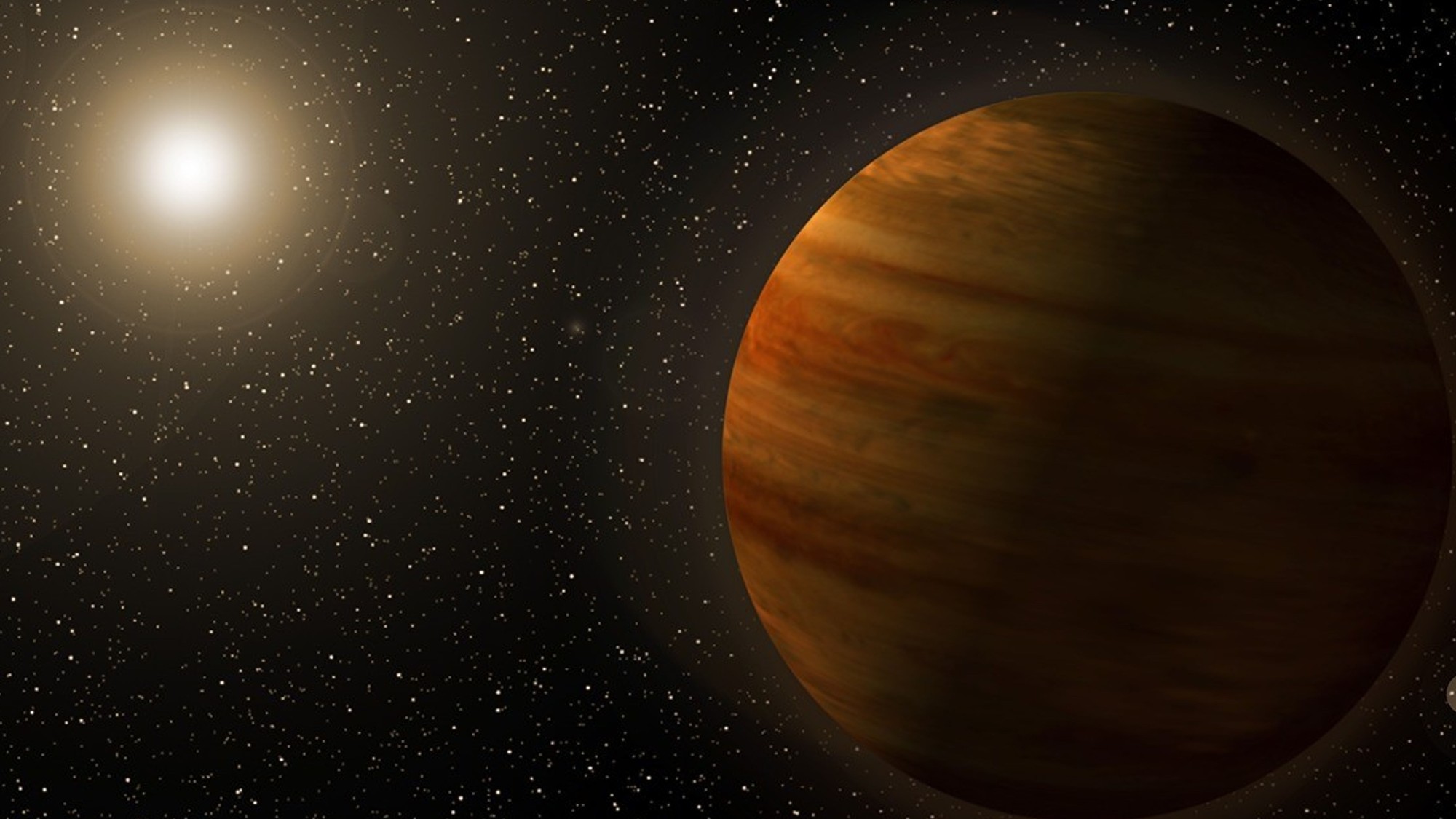
The planet is Gaia23bra b 🌌. It has about 1.6 times the mass of Jupiter. But here is the twist. It doesn’t hang out close to its sun like the usual TESS targets. It orbits far away, much like Jupiter orbits Earth’s sun. Plus. The whole system sits 40,00 light-years out. That distance makes standard transit hunting impossible.
How they found it
Usually. TESS looks for a tiny dip in light. A planet blocks a fraction of a star. Simple geometry. Works great for big planets orbiting tight. Fails here. This new discovery relied on something else. General relativity.
Einstein figured out mass bends space. And space bends light.
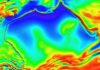
Here is the deal. Mass warps spacetime. When light passes a massive object. It follows that curve. If you align a foreground object with a background star. The foreground mass acts like a lens. It bends the starlight around it. Amplifying it.
Most lenses are galaxy clusters. They are massive beasts. Planets are tiny. Their lensing effect is micro. Faint. Almost invisible. Until now.
The first hint of Gaia23bra b appeared in 2023. The now-retired Gaia telescope saw it. A slight brightening of a background star. Then TESS confirmed it.
A new trick for an old hunter
Diana Dragomir from the University of New Madrid wasn’t surprised by the surprise. Or at least. She wasn’t expecting TESS to pull this off back when it launched.
“No one expected it to ever be capable.”
The data was there. The method just wasn’t. Now. Scientists are realizing microlensing signals might be sitting in TESS archives waiting to be unpacked.
Only 5 percent of the roughly 6,00 known exoplanets were found this way. Transit method owns 75 percent of that number. But transit has limits. It misses distant worlds. Microlensing does not care about distance as much. It cares about alignment.
And that alignment is a one-time thing.
One and done
Mallory Harris from the University of New Mexico puts it bluntly.
“We’ll probably find the first Earth analog… and then wave at it.”
Because the alignment shifts. The brightening passes. The signal dies. You get one shot. It does not repeat. No follow-up observations to confirm. Just that one moment in time.
This works for small planets too. Worlds in habitable zones. Even ones far beyond. Gaia23bra B orbits an orange dwarf, slightly smaller than our sun. It proved TESS can see further. Much further.
There are other planets like this in the data. We just didn’t know where to look. Or maybe. We did. But we weren’t paying attention.
Who knows how many we missed.