Remember Mark Watney in The Martian? He was stranded, hungry, and growing potatoes in dirt that wasn’t technically dirt.
Fictional. Great movie.
Real life doesn’t care about box office returns.
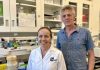
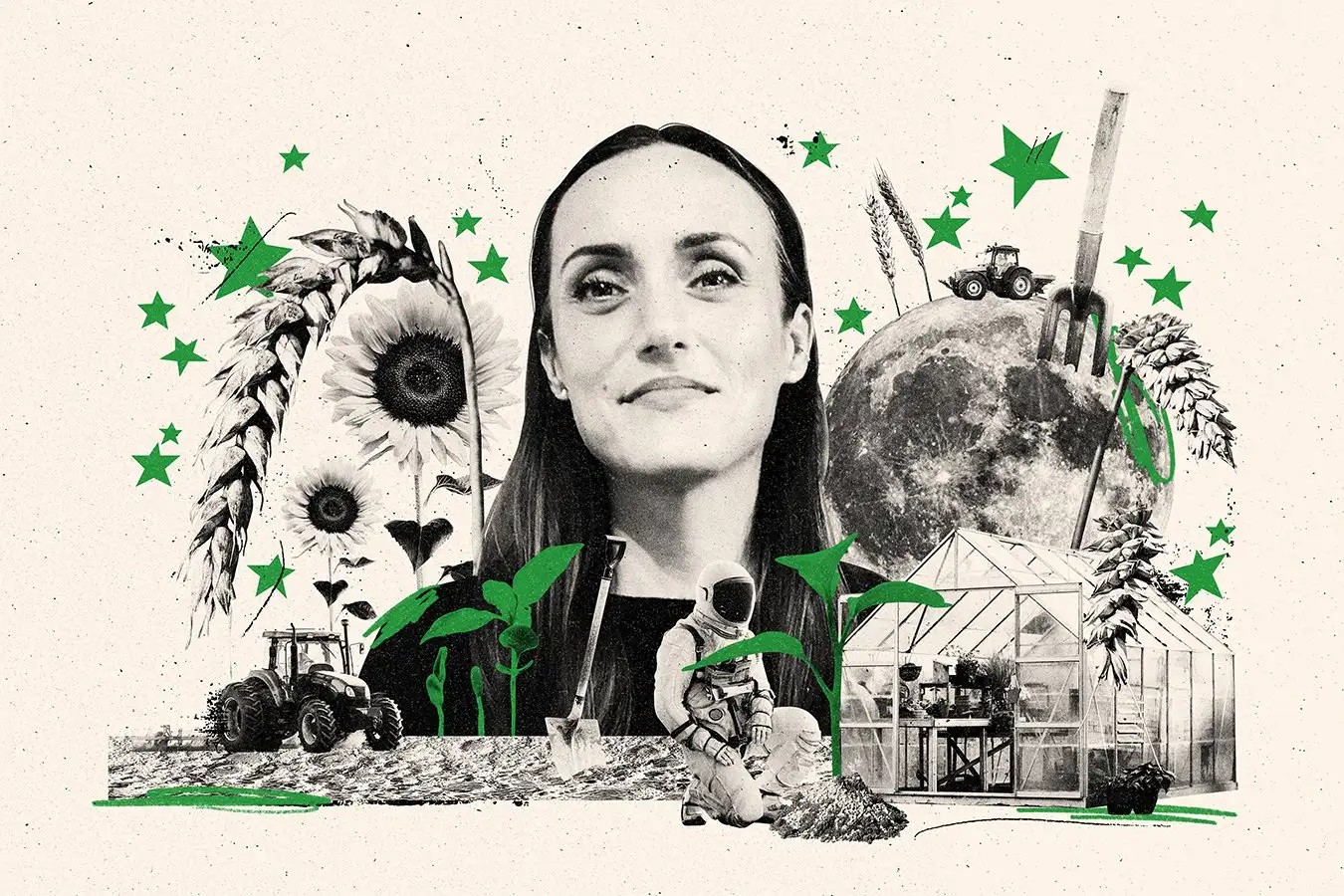
Jessica Atkin knows this. She is a botanist at Texas A&M. Her job involves making plants grow on a place designed to kill them. NASA wants a permanent base. Maybe you can eat there? That’s the problem. Sending frozen dinners works for a weekend trip. It fails for a settlement. If astronauts stay they must feed themselves.
The Moon hates agriculture.
First there is the water ice problem. Then there is the regolith. That’s the word for moon soil. It is not soil. It is sharp volcanic glass. It sticks to spacesuits like glue. It creates micro-tears. Plants don’t have skin armor. They get shredded. Plus if you add water it turns to cement. Roots suffocate. It’s awful.
Atkin thinks she has a fix.
She isn’t trying to send Earth soil. A pound costs $100k to launch. Nobody is doing that. Instead she looks at fungi. And chickpeas. Why?
Legumes are stubborn. They survive neglect. They recruit microbes to help them eat rock. Atkin figured if fungi helped plants conquer Earth maybe they can do it on the Moon too.
“Nature gives us all the answers, we just have to figure it out.”
She proved it in her living room.
Yes really. It was 2021. She lacked institutional backing. NASA liked the idea but demanded data she didn’t have. So she bought supplies. Turned her living room into a lab. Used a simulant that mimics the lunar highlands since real Apollo dust is scarce and expensive. The result? Chickpeas sprouted faster in moon-simulated dust than in Earth dirt.
They were stressed. They made fewer seeds.
Doesn’t matter.
The seeds aren’t the goal. The goal is changing the regolith into soil. Even if the chickpeas are toxic they are doing the work of biomining. They pull metals out. They break the cycle. After a few rounds you could grow tomatoes. Or strawberries.
Imagine the menu.
Protein comes from packets. Humus? Maybe if you find a blender that doesn’t float away. Falafel? Atkin jokes about opening a stand on the lunar surface. But fruits seem feasible. Strawberries have already traveled to the ISS.
Challenges remain.
Radiation. One-sixth gravity means watering looks weird. Two weeks of light followed by two weeks of pitch black darkness requires artificial suns. Astronauts also hate dust in their habitat. The greenhouse needs to be airtight and separate. No breathing in the glass dust.
It’s a niche field.
“Lunar botanist” isn’t on LinkedIn’s drop-down menu. Atkin finds jobs difficult to pin down. She wants to go up. Test the theory for real. Creating 1/6th gravity on Earth is nearly impossible. You can’t fake the environment.
So she waits.
Artemis plans to return humans soon. She hopes a job opens up. If NASA asked her to install the first lunar greenhouse?
She wouldn’t say no.
“I’d be a moon janitor,” she says. Cleaning up metals. Helping plants live in a place built for dust.
Her grandmother isn’t around to see it. She raised Atkin on a ranch with tractors and strawberries. She would have been tickled. Proud as grandmoths get. Unsurprised, perhaps. Atkin always did the random things.
The moon is cold. Dry. Toxic.
But it’s not dead yet.
We just have to introduce the right partners. Fungi first. Chickpeas next. Everything else after that.